Some toys asked to be bought. Pound Puppies and the Pound Puppies Classic line asked to be saved.
That was the whole trick, and in the mid-80s it worked like magic. These floppy plush shelter dogs were stuffed animals that looked sad, soft, and a little helpless, so kids didn’t see a toy first. They saw a rescue mission.
If you remember the cardboard kennel and those droopy faces, you already know the feeling. If you don’t, it’s easy to see why these cuddly mutts took over toy aisles so fast.
Pound Puppies Highlights
- Pound Puppies flipped toy buying into a rescue mission, with sad-eyed plush pups slumped in cardboard kennels that tugged at kids’ hearts and made every adoption feel personal.
- Launched in 1984 by Irwin Toy and boosted by Tonka, they exploded via simple designs, TV specials, cartoons, and merch that turned a plush line into full 80s kid culture.
- The emotional core—cuddly underdogs needing homes—gave them staying power, landing them on TIME’s All-TIME 100 Toys list and warming memories decades later.
- Cartoon stars like Cooler, Nose Marie, and Bright Eyes added voices and stories, deepening bonds beyond the soft, huggable toys.
- Modern releases by Basic Fun and Funrise keep the classic “adopt me” magic alive for new generations.
Why the “adopt me” idea hit so hard
Plenty of 80s toys came in hot. Bright gimmicks. Loud packaging. Big fantasy. Pound Puppies did almost the opposite.
They slumped.
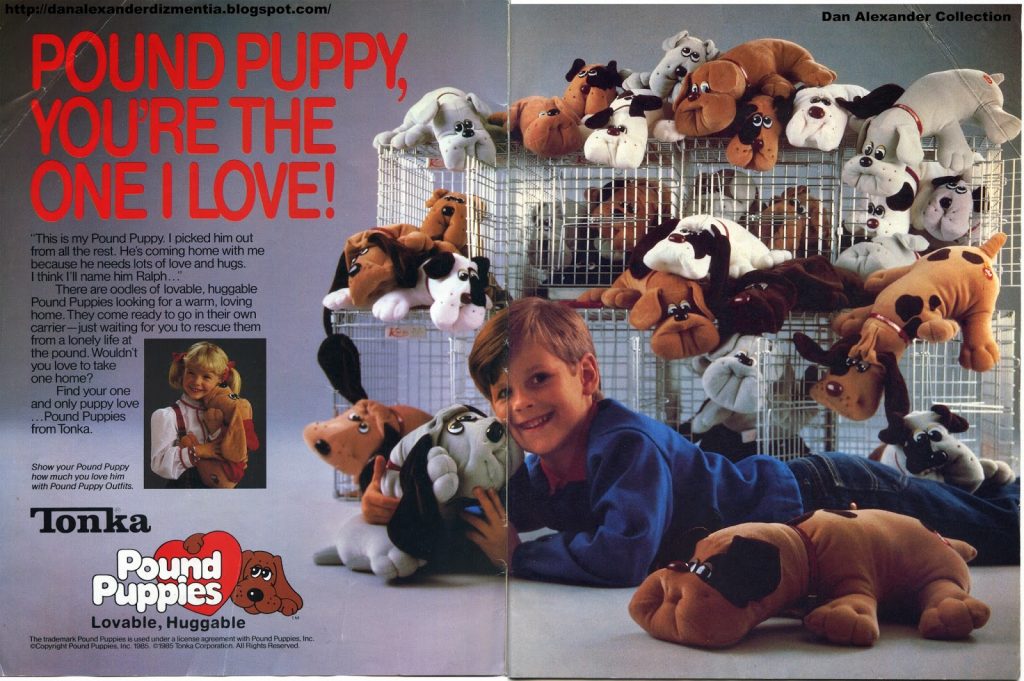
Their little heads hung over the edge of the carrier in a lovable huggable slump, sad eyes peering out as if they were waiting for someone, anyone, to take them home. It was a simple visual, but it landed right in a kid’s heart. How do you walk past cuddly dogs that look like they need you?
That “adoptable” angle changed the whole play pattern. You weren’t picking a favorite action figure because it looked powerful. You were choosing a puppy because it looked lonely. Once it was yours, the story wrote itself. You gave it a name. You tucked it into bed. You brought it on car rides. You filled out the adoption certificate. You became its person.
You weren’t grabbing a product off a shelf, you were taking a dog home.
That emotional switch mattered. It made the soft toy feel personal from the first second. Even better, the idea worked for all kinds of kids. Pound Puppies were cute, but not fussy. Sweet, but not babyish. Boys wanted them. Girls wanted them. Parents got the pitch instantly.
The plush toys also had a built-in softness that matched the story. Their bodies were squishy and huggable, more like a comfort object than a display piece. That gave them a longer life than plenty of novelty toys. They could sit on your bed, ride in your backpack, or get hugged into near extinction. Many of them did.
And that is why the line hit with such force. It wasn’t only about collecting. It was about caring, or at least getting to pretend you were the hero in a tiny dog-sized rescue tale.
How a simple plush dog became a toy-store event
The origin story is refreshingly straightforward. The concept came from Mike Bowling, and, as the Pound History page notes, Irwin Toy first brought the Wave 1 Pound Puppies to stores in 1984, kicking off the 80’s Collection craze. Tonka later acquired the toy line and helped turn it into a full-scale craze.
What made the toy work was its smart simplicity. The basic body shape was easy to repeat, but the colors, fuzzy ears, black spots, and expressions gave each puppy its own personality. That meant a kid could scan a whole group and feel that one pup was “the one.” Same template, different little soul. Toy magic.
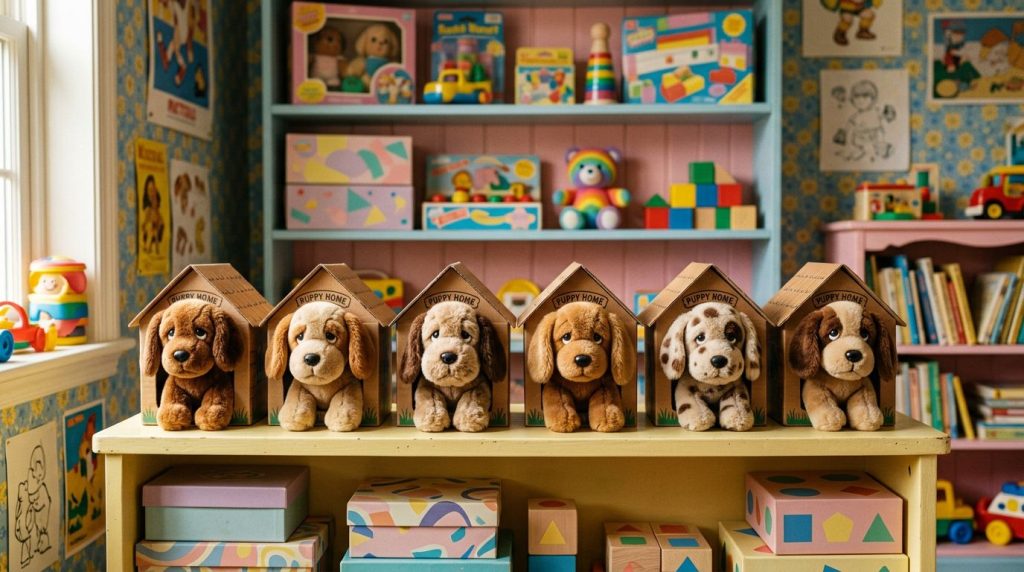
The packaging sealed the deal. Pound Puppies didn’t sit in a generic box. They came in a doghouse-style carrier that made the whole thing feel like an adoption. Even before you touched the plush, the story had already started.
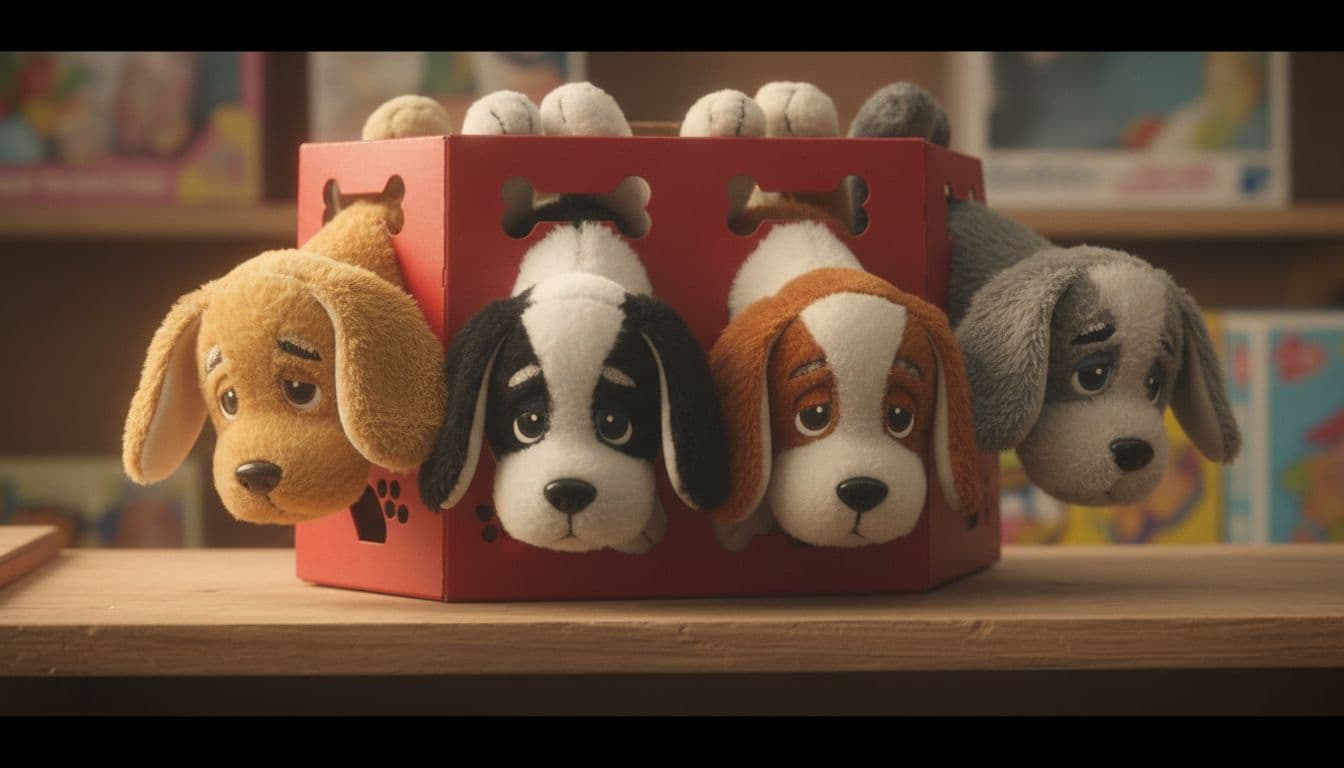
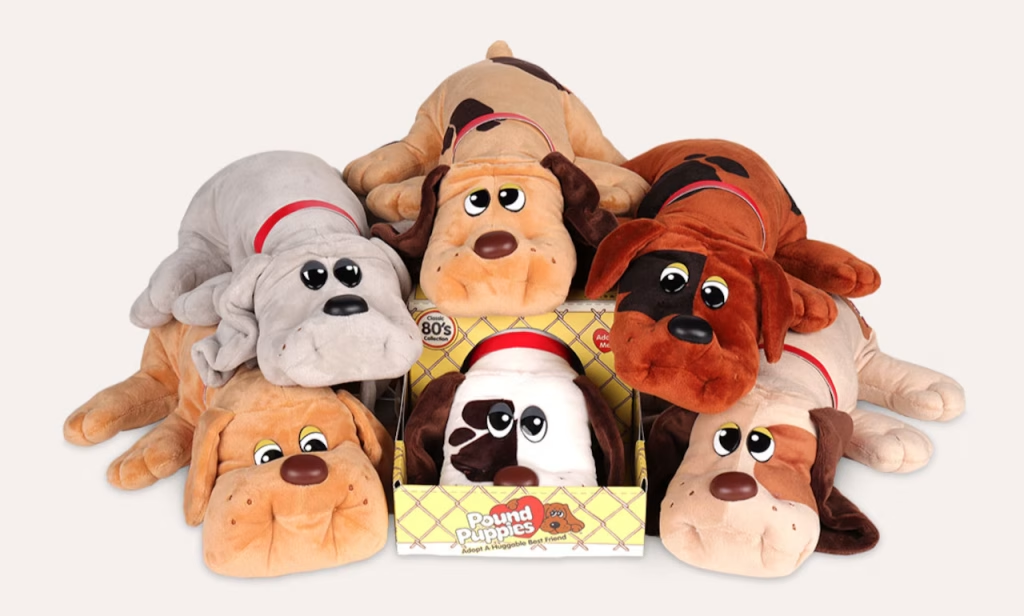
Visually, they were hard to resist. Big noses. Droopy eyes. Long fuzzy ears. Soft, muted fur colors mixed with bright, toy-friendly shades. They looked a little scruffy, a little sleepy, and totally lovable. That balance mattered. Too polished, and the shelter fantasy falls apart. Too realistic, and the toy gets sad in the wrong way. Pound Puppies hit the sweet spot.
Here’s the quick timeline that shows how fast the brand moved:
| Year | What happened | Why it mattered |
|---|---|---|
| 1984 | Pound Puppies plush toys arrived in stores | Kids could “adopt” a puppy, not simply buy one |
| 1985 | Animated TV special premiered | The pups got a bigger story and a wider audience |
| 1986 to 1987 | ABC cartoon series aired | Favorite characters became weekly companions |
| Mid 80s | Merchandise spread everywhere | The brand moved beyond the toy aisle |
The takeaway is simple: this was not a slow-burn cult item. The Pound Puppies toy line saw explosive retail sales because every part of the product, design, packaging, and play story pointed in the same direction.
When Pound Puppies hit Saturday morning TV
Of course the next step was television. In the 80s, a successful toy line almost begged for a cartoon, and Pound Puppies got one. The 1985 animated special came first, then the ABC animated TV series produced by Hanna-Barbera followed in 1986 and ran through 1987, according to the 1986 TV series entry. The franchise expanded further with the 1988 feature film titled The Legend of Big Paw.
The screen version kept the rescue spirit intact. These weren’t pampered show dogs. They were underdogs, literally, trying to outsmart the pound and find homes. That gave the stories heart, but it also gave them movement. Escapes, close calls, teamwork, villains, happy reunions, the whole Saturday morning package.
The pack kids remembered
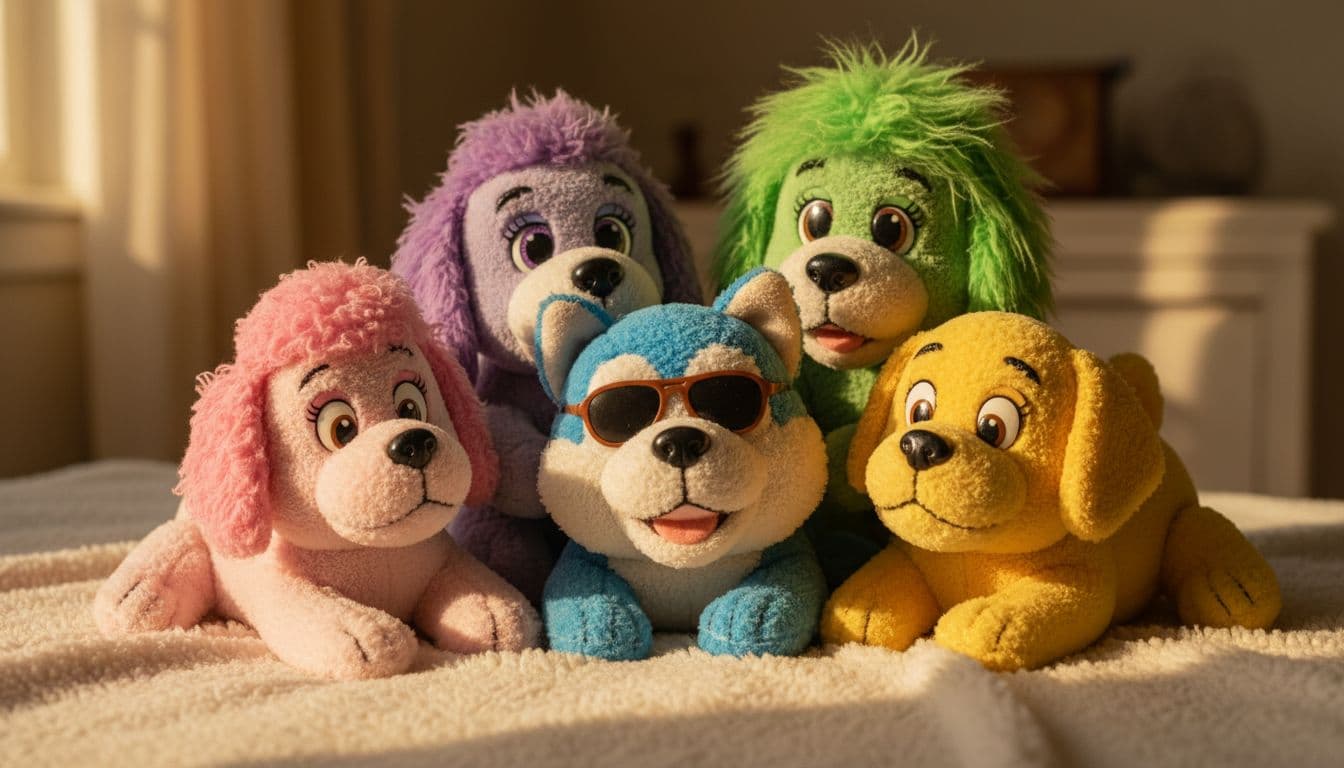
The Pound Puppies cartoon helped lock in the personalities. Cooler became the laid-back leader. Nose Marie brought a glamorous streak. Bright Eyes, Howler, and Whopper rounded out the crew with their own quirks and energy. Suddenly the plush dogs on your bed were not blank slates anymore. They had voices, friendships, and ongoing adventures.
That mattered because it deepened the bond. A toy you invent a story for is fun. A toy that arrives with a story already humming in your head is even better.
The series also added human and villain energy. Holly was the dog-loving ally, while Katrina Stoneheart was the kind of cartoon menace kids loved to boo. The setup was clean and easy to root for. Good-hearted pups, bad grown-up, lots of escape plans. No kid needed a study guide.
Why the cartoon fit the toy so well
Some toy cartoons felt like moving commercials. Pound Puppies had a stronger emotional engine than that. The franchise already had built-in stakes. A puppy needs a home. A puppy might get separated. A puppy has to be brave. That is kid-level storytelling in the best way, immediate and easy to feel.
It also helped that the world looked warm and friendly even when the plot got tense. The dogs were colorful, expressive, and easy to tell apart. You could pick a favorite fast. Most kids did.
By the time the TV side kicked in, Pound Puppies had become more than a plush line. They were a little universe, a legacy that endured with a revival series on the Hub Network years later.
Merchandise, memory, and the lasting pop-culture pull
Once a brand hit that level in the 80s, it spread everywhere. Pound Puppies did exactly that. Beyond the plush toys and cartoon tie-ins, the toy line expanded with books, figures, the Newborns sub-line, housewares, puzzles, coloring items, and more, all documented in the Pound Puppies merchandise archive. The license eventually moved to Hasbro and Jakks Pacific.
That kind of merch mattered because it kept the puppies in your day even when you weren’t hugging one of those stuffed animals. A lunchbox at school. A coloring book on the living room floor. A cassette or little figure on the shelf. The brand moved from toy chest to full-on kid culture. Even Pound Pur-r-ries joined the party for cat kids who wanted the same rescue fantasy in feline form.
The craze was big enough that TIME later included the toy on its All-TIME 100 Greatest Toys list. That kind of recognition says something, but the real proof is simpler. People still remember the feeling.
Not only the logo. Not only the cartoon. The feeling.
They remember seeing those little heads hanging out of the carrier. They remember picking one because it looked extra sad, or extra sweet, or like it needed them the most. That is a strong memory because it wasn’t only visual. It was emotional, tactile, and personal all at once.
A lot of 80s toys were fun. Pound Puppies were affectionate. That’s a different category of memory.
Frequently Asked Questions
When were Pound Puppies first released?
Pound Puppies plush toys hit stores in 1984, created by Mike Bowling and first produced by Irwin Toy. Tonka acquired the line soon after, fueling its rapid rise. The timing caught the perfect 80s wave of emotional, heartfelt toys.
What made Pound Puppies different from other 80s toys?
Unlike flashy action figures or gimmicky playsets, Pound Puppies looked sad and helpless in their kennel carriers, turning purchases into pretend adoptions much like the Cabbage Patch Kids craze had done. This emotional hook made kids feel like heroes, with squishy plush bodies built for hugging, not just displaying. It worked for boys, girls, and parents alike.
Did Pound Puppies have a TV show or cartoon?
Yes, a 1985 animated special kicked things off, followed by the Hanna-Barbera ABC series from 1986-1987 and a 1988 feature film, The Legend of Big Paw. Characters like leader Cooler and glamorous Nose Marie brought the rescue stories to life with escapes, teamwork, and happy endings. The shows fit the toys’ underdog heart perfectly.
Are Pound Puppies still available today?
Modern versions from Basic Fun and Funrise recapture the classic sad-eyed, floppy plush aesthetic for today’s kids. They keep the adoption certificates and carriers intact, proving the “save me” idea never gets old. Collectors and nostalgia fans snap up originals too.
Why do people still remember Pound Puppies so fondly?
The toys tapped into caring and rescue fantasies that felt real and affectionate, not just fun. Droopy faces peering from carriers created tactile, emotional memories of picking “the one” that needed you most. That warmth outlasted the 80s craze.
Why those sad-eyed pups still work
Pound Puppies still hold up because the idea was so clean. A soft dog like the classic brown puppy from the Pound Puppies Classic aesthetic, a sad face, a pretend adoption, and a kid who gets to make things better. That never gets old.
Their 80s run had all the extras, plush toys, cartoons, tie-ins, and collector love, but the heart of it was small and sweet. You saw a puppy that needed a home, and for a minute, that felt like the most important thing in the toy store.
That is why the Pound Puppies memory stays warm. Modern versions released by Basic Fun and Funrise keep these plush toys available today for a new generation of kids. They didn’t ask kids to conquer anything. They asked them to care.