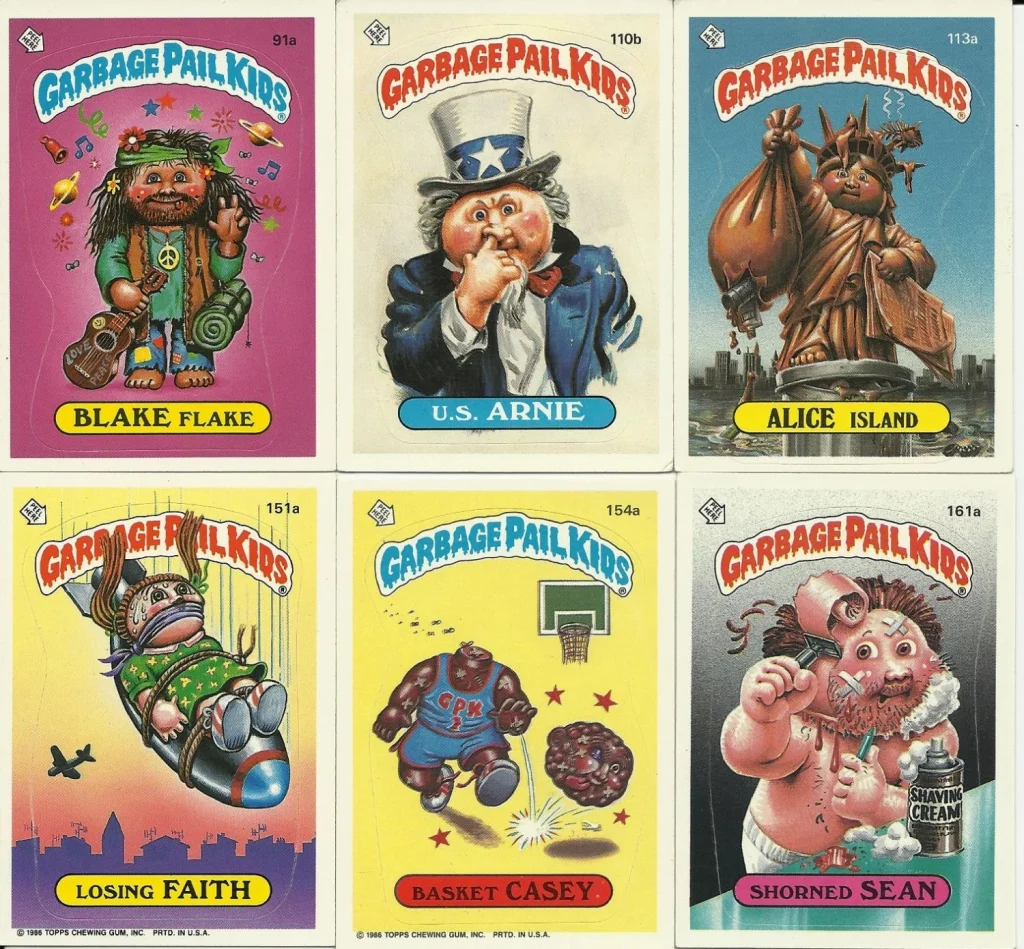
Few things felt more dangerous, or more fun, than opening a wax pack and finding a card so disgusting you had to show somebody immediately. Garbage Pail Kids were rude, gooey, and proudly lowbrow. Kids loved them for exactly that reason.
Adults saw bad taste. Teachers saw a distraction. Parents saw names and images they didn’t want coming home in a backpack.
That clash is why these little sticker trading cards still matter. To get it, you have to go back to 1985, when Series 1 debuted and the playground turned into a gross-out stock exchange.
Garbage Pail Kids Highlights
- Garbage Pail Kids launched in 1985 as Topps’ gross-out parody of Cabbage Patch Kids, blending sticker trading cards with explosive, punny art that turned playgrounds into frenzied gross-out exchanges.
- The forbidden gross factor fueled the craze: Kids loved the exploding heads, melting bodies, and sticky jokes; schools hated the classroom distractions and tasteless images, sparking bans that only made them cooler contraband.
- Art and chase were pure playground magic: Iconic designs by John Pound and others delivered instant laughs with clever details, while duplicates, A/B versions, and stickers turned collecting into a sticky, shareable mission.
- From backpack rebels to collector gold: Confiscated cards now fetch big bucks at shows, proving these disposable wax-pack wonders captured ’80s kid rebellion and endure as nostalgic time capsules.
Why Garbage Pail Kids Blew Up in 1985
The Topps Company released the Original Series of Garbage Pail Kids, specifically Series 1, in 1985, and the timing was perfect. Developed by Art Spiegelman and Mark Newgarden, with iconic art style credited to John Pound, these sticker trading cards took the era’s cute collectibles, ran that sweetness through a blender, and sold it back to kids with bubble gum. As CNN’s look back at the 1985 debut explains, the cards grew out of a pop culture parody tradition like Wacky Packages, complete with parody art, wordplay, and a grin that said, “Yeah, we know this is awful.”
The visual joke landed fast. Cabbage Patch Kids were soft, sweet, and wildly popular. Garbage Pail Kids took that baby-faced innocence and turned it inside out. One kid had an exploding head. Another was leaking, puking, melting, or otherwise having the worst day imaginable. You could get the gag before you even read the name.
The setup was pure playground science. Packs were cheap. The cards were small enough for a pocket. Many were stickers, which meant binders, lunch boxes, and bedroom mirrors were suddenly fair game. Each character came with a punny name and a face only a third grader could adore.
There was also the chase. Kids wanted the weirdest card, the funniest name, the one that made the whole lunch table yell “Eww!” Duplicate pulls became instant trade bait. And because many characters had A and B name versions, finishing a set felt like a real mission, not random luck.
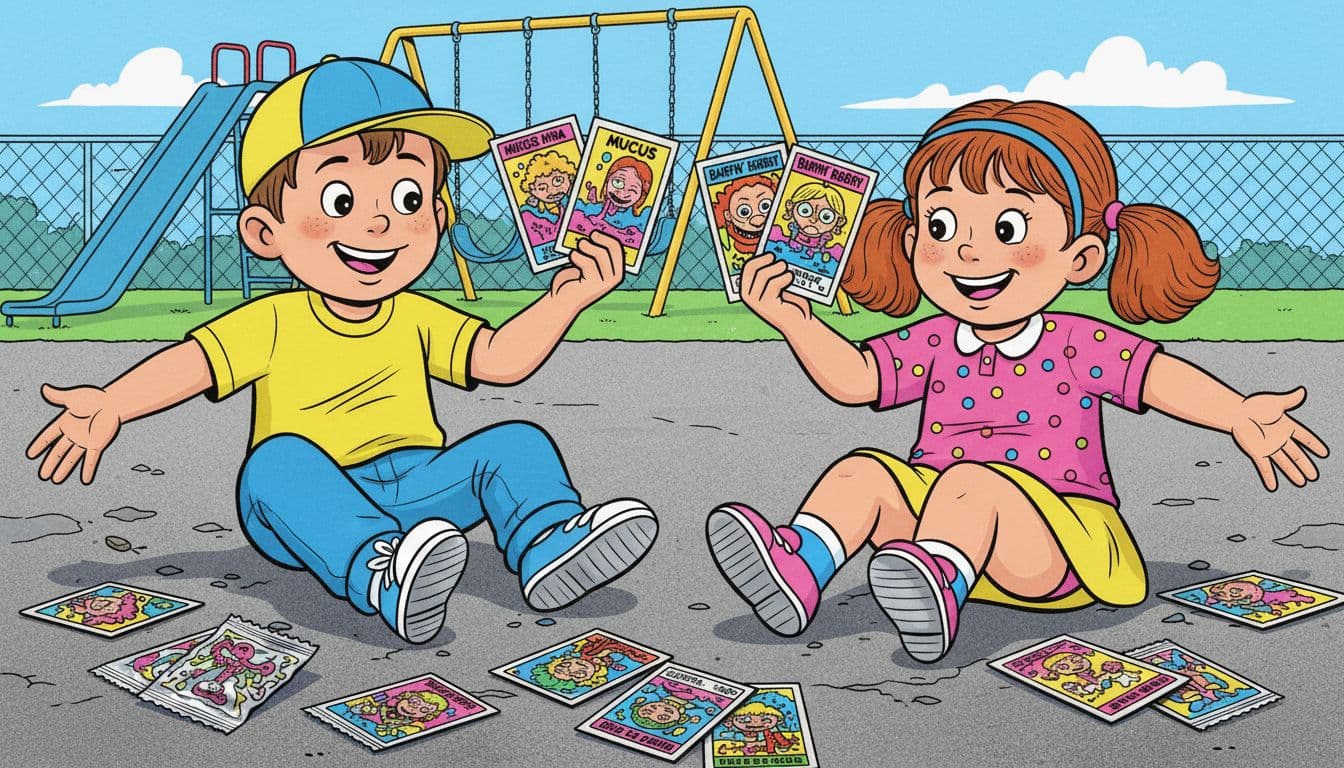
This was pre-smartphone, pre-group chat, pre-everything. If you wanted a craze, it had to move hand to hand. Garbage Pail Kids did that perfectly. They spread through schoolyards, corner stores, and bike rides home, carried in jacket pockets like tiny pieces of contraband.
What made the boom so fast? They felt forbidden before they were formally banned. That gave them the one quality every schoolyard obsession needs: heat.
The Gross Factor Was the Whole Joke
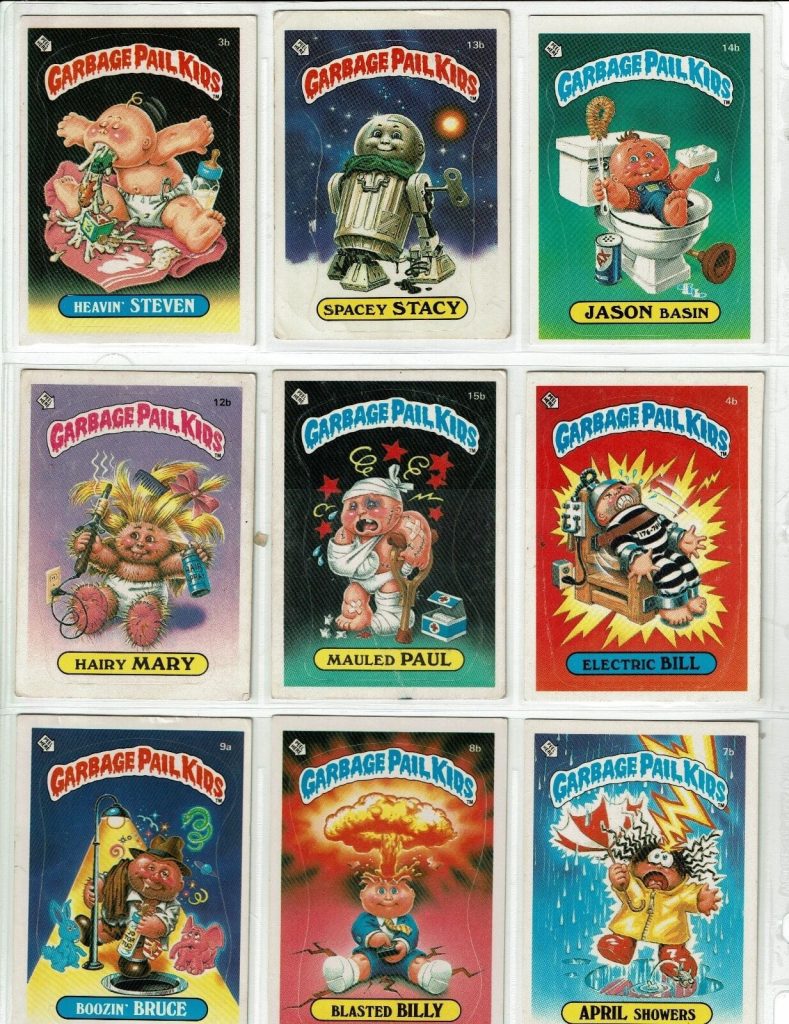
Let’s be honest, the art was the hook. These cards weren’t cute with a naughty twist. They were full-body cartoon chaos. Heads exploded. Noses ran. Bodies melted. Hair caught fire. The jokes lived somewhere between Looney Tunes slapstick and elementary-school bathroom humor, which is exactly where a lot of kids wanted to be.
The iconic cards worked because they were mini comedy sketches. Adam Bomb wasn’t subtle. Up Chuck wasn’t refined. Leaky Lindsay didn’t need a long setup. One glance and you got the bit. That mattered, because kids don’t pass around collectibles for quiet reflection. They pass them around for reaction.
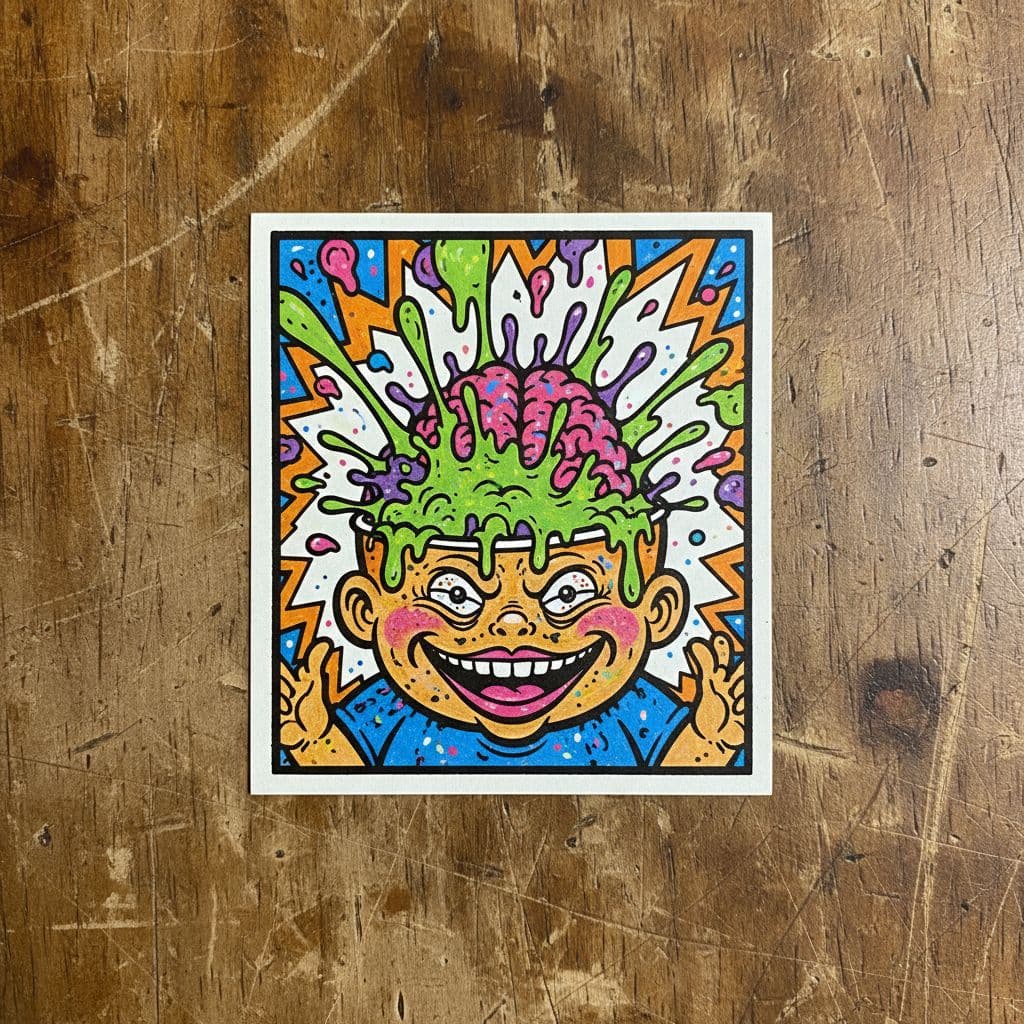
There was also a weird cleverness to them. Artists like Tom Bunk and Jay Lynch packed the drawings with nasty little details and pun-filled names. Even when the humor was gloriously dumb, the construction wasn’t. A good Garbage Pail Kids card delivered the joke in one shot, then rewarded you for staring at it a little longer.
That parody edge mattered, too. Mental Floss’s history of the series traces how the cards pulled from earlier satire and even ended up in a Trademark Infringement Lawsuit with the company behind Cabbage Patch Kids. So no, this wasn’t some accidental resemblance. The whole point was to twist something wholesome into something hilariously wrong.
Adults saw rotten taste. Kids saw a punchline with adhesive backing.
That’s the secret. Garbage Pail Kids let children flirt with taboo in a cartoon-safe form. They were gross, but not real. Mean, but too exaggerated to confuse with real life. For a generation raised on monster cereals, prank toys, and weird Saturday morning cartoons, they fit right in.
And because they were die-cut stickers, you didn’t only collect them, you deployed them. A notebook got funnier with sticker galleries. A locker got nastier. The joke left the pack and entered the world.
Why Schools and Parents Wanted Them Gone
Once the cards got hot, the backlash was coming. Schools didn’t need a big cultural theory to hate Garbage Pail Kids. Teachers had more immediate problems: kids trading during class, arguing over swaps, waving cards around when they were supposed to be doing math, and turning every quiet moment into a tiny gross-out show.
The content didn’t help. Schools also scrutinized the card backs, which often featured humorous certificates or licenses. A lot of adults thought the images were crude, violent, or flat-out tasteless. The cards made childhood look sticky, broken, and gleefully disgusting. For kids, that was the fun. For schools, it was one more headache in a building already full of distractions.
This quick snapshot gets the split:
| Kids saw | Schools saw |
|---|---|
| A funny sticker | A classroom distraction |
| Trade currency | One more thing to confiscate |
| Gross cartoon jokes | Images adults called offensive |
| Playground status | Hallway arguments over swaps |
The takeaway was simple: the same thing that made the cards irresistible to kids made them exhausting for adults.
Some bans were local and very real. The Topps Company’s 40-year retrospective points to a school in White Plains, New York banning the cards in 1985, with other schools following. By then, the cards were selling so fast that demand was outpacing supply, which says a lot. The bans weren’t killing the craze. They were feeding it.
Media coverage turned the whole thing into a bigger spectacle. The 1980s media storm that fueled the controversy included the Animated TV Series. When newspapers and TV segments treated the cards like a menace, kids heard a different message: these things matter. That’s catnip on a playground. A school ban doesn’t read like a warning to a 10-year-old. It reads like a recommendation.
The funny part is that the panic wasn’t universal. The same Topps retrospective notes that some parents didn’t mind the cards at all, and a few even thought the silly subject matter might get kids reading. That’s an important detail. The story wasn’t “good adults versus bad cards.” It was a classic ’80s culture clash over taste, control, and what counted as harmless fun.
From Lunchbox Contraband to Collector Gold
Here’s the twist nobody saw coming in homeroom: the cards adults confiscated are now the cards adults hunt for. Vice’s look at the craze points out how far the brand spread, even turning up in other countries as International Versions like Snotlings and Trashlings. That reach helps explain why Garbage Pail Kids never stayed trapped in a dusty shoebox.
Today, early series cards, sealed packs, Chase Cards, Artist Sketches, and high-grade examples from sets like the All-New Series, Flashback Series, and Chrome Edition draw real attention. Modern collectors often use Printable Checklists to organize their Original Series sets. You see them at card shows, online auctions, and carefully organized binders owned by people who once traded them behind a math book. The old schoolyard rules still apply, too. Condition matters. Scarcity matters. First-series cards carry extra bragging rights.
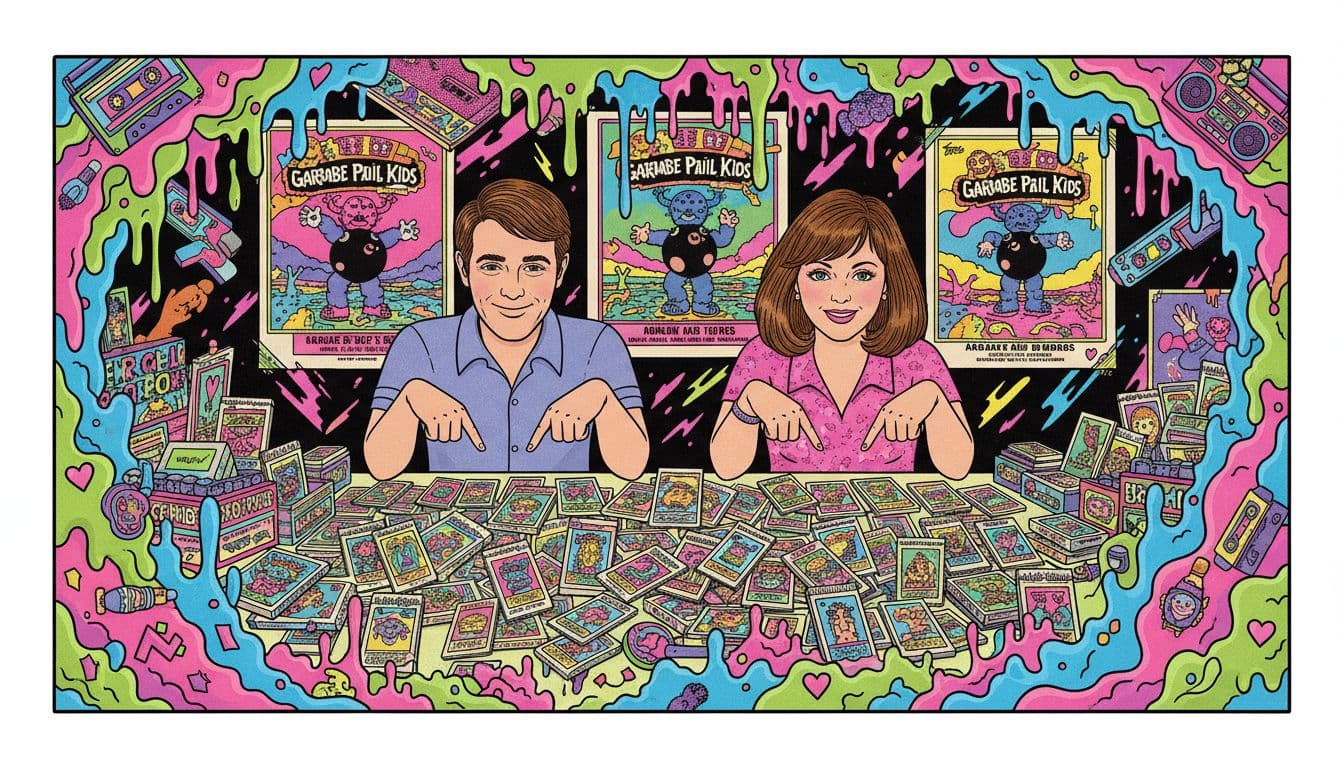
What changed is context. In 1985, a disgusting sticker in your backpack felt like a tiny rebellion. In 2026, that same card can feel like a perfect time capsule. You’re not only looking at slime and exploding heads. You’re looking at convenience stores, bike rides, lunch trays, and the sweet thrill of finding something adults did not understand.
There’s also a fresh appreciation for the artwork itself. The best Garbage Pail Kids cards are nasty, yes, but they’re also sharp, funny, and beautifully composed in their own warped way. That’s part of why the brand keeps coming back through reprints, anniversary sets, and new collector waves. Nostalgia opens the door, but the craft keeps people browsing.
And maybe that’s the biggest surprise. These cards were made to be disposable fun, cheap packs ripped open in a hurry, gum included. Instead, they stuck. They survived the outrage, the confiscations, the eye-rolling, and the passing fads. Gross little troublemakers, still here.
Frequently Asked Questions
What are Garbage Pail Kids?
Garbage Pail Kids are sticker trading cards released by Topps in 1985, featuring cartoon kids in gross, chaotic scenarios like exploding heads and melting bodies. They parodied wholesome toys like Cabbage Patch Kids with punny names and lowbrow humor, sold in cheap wax packs with gum. Kids traded them like contraband, sticking them everywhere from notebooks to lockers.
Why did schools ban Garbage Pail Kids?
Schools saw them as major distractions, with kids trading and showing off cards during class instead of focusing on work. The crude, violent-looking images and gross jokes clashed with adult tastes, leading to confiscations and outright bans in places like White Plains, New York. Ironically, the backlash turned them into even hotter playground status symbols.
Who created Garbage Pail Kids?
Developed by Art Spiegelman and Mark Newgarden, with standout art from John Pound, Tom Bunk, and Jay Lynch, they built on Topps’ satire tradition like Wacky Packages. The cards packed visual gags, wordplay, and tiny details into die-cut stickers. That team turned pop culture parody into a gross-out goldmine.
Are Garbage Pail Kids valuable today?
Early series cards, sealed packs, and high-grade examples from Original, Flashback, or Chrome sets are hot with adult collectors at shows and auctions. Once-lunchbox rebels now evoke ’80s nostalgia, with condition and rarity driving prices. The sharp, hilarious art keeps the appeal fresh beyond mere nostalgia.
A little wax pack could cause a full-blown playground frenzy. That’s still kind of amazing. Garbage Pail Kids hit the sweet spot kids always chase: funny, forbidden, collectible, and easy to share.
Schools hated the distraction. Parents hated the mess of the humor. Kids, of course, loved both.
Four decades later, one look at those grimy, ridiculous sticker cards, a timeless pop culture parody that even spawned a live action movie and fueled a 30th anniversary series, still sends you right back to the blacktop.