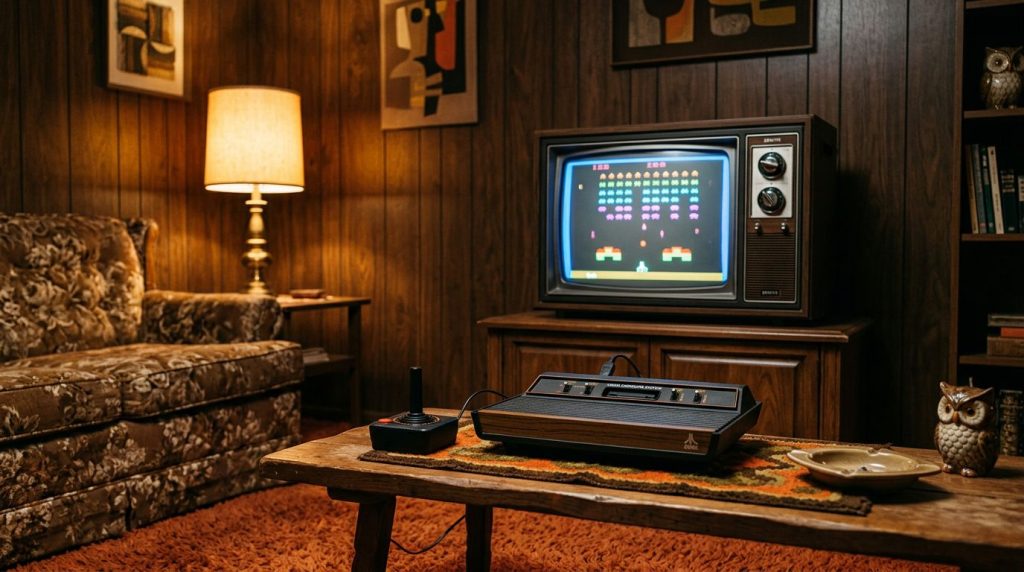
Before downloads, save files, and giant launch trailers, one wood-paneled box made the family TV feel like pure possibility. The Atari 2600 didn’t break into homes by talking to hobbyists first. It won over regular people with a pitch anyone could get: plug it in, pick up a joystick, and play.
By the early 1980s, it wasn’t some strange electronic side project. It was part of the room, part of the routine, and part of what made home entertainment feel new.
The Box That Turned a TV Into a Playground
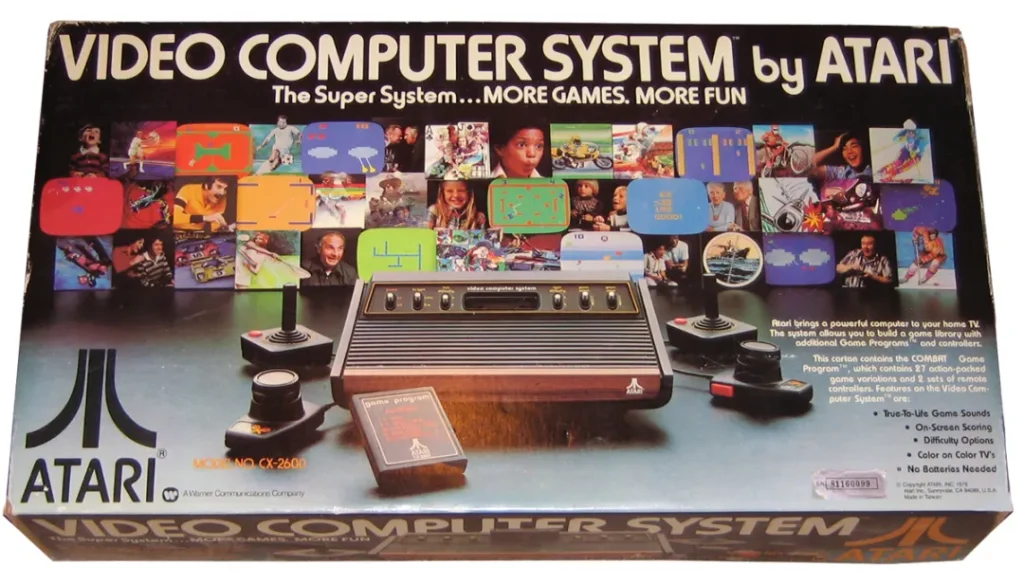
When the Atari Video Computer System arrived in 1977, later known everywhere as the Atari 2600, it felt different from the wave of Pong clones already crowding store shelves. Those earlier machines usually did one thing. Atari offered a machine that could change its personality with a cartridge.
That idea was huge.
One console, lots of games, right on the television you already used every night. No soldering iron. No computer know-how. No long explanation from the neighborhood tech kid. You slid in a cartridge, flipped a switch, and your den became a battlefield, a racetrack, or a maze.
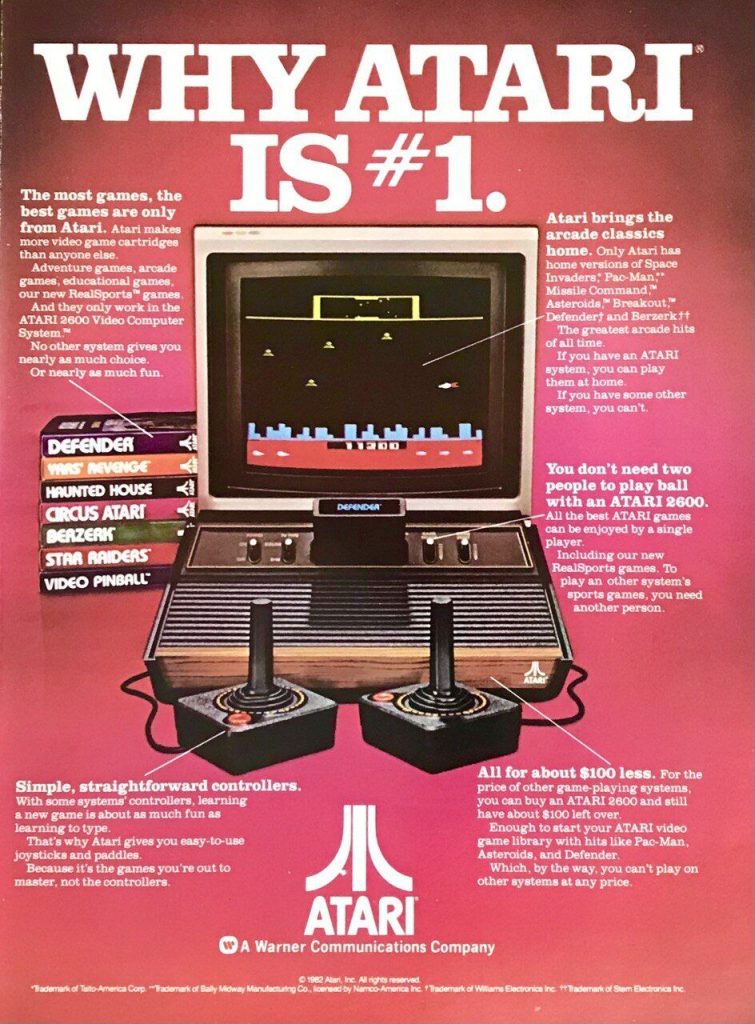
It also helped that the machine looked like it belonged in a grown-up room. The faux wood trim, the ridged black top, the chunky switches, it all fit the late 1970s world of console TVs, stereo cabinets, and heavy furniture. The Atari 2600 didn’t look like a lab experiment. It looked like home electronics.
Then there was Combat, the pack-in game that sold the whole idea in minutes. Two players, tanks or planes, a few variations, instant fun. You didn’t need a manual the size of a phone book. You needed a sibling, a friend, or a parent willing to spend ten minutes trying it, then twenty more because they got competitive fast.
That’s a big part of the story. The Atari 2600 wasn’t asking families to build a new habit from scratch. It attached itself to the biggest entertainment object in the house. The TV already had authority. It already had everyone’s attention. Atari simply gave that familiar screen a second life.
Why the Atari 2600 Clicked With Regular Families
The console’s success wasn’t only about what happened after you got it home. It was also about where you saw it first.
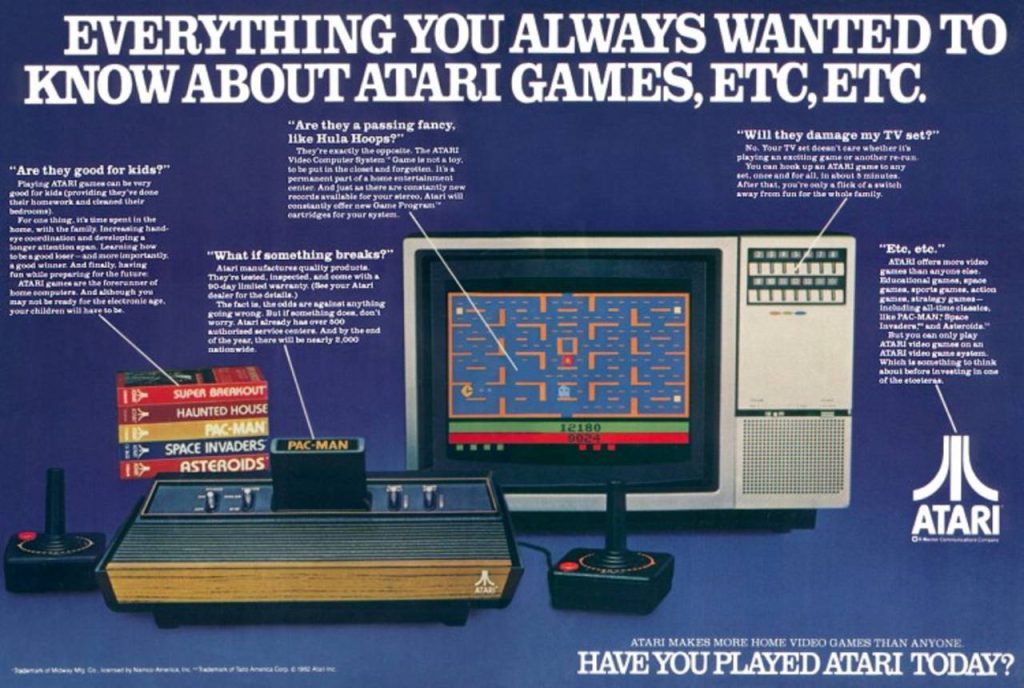
The Atari 2600 showed up in department stores, toy aisles, electronics sections, and holiday catalogs, right where families already shopped. Sears helped push it into the mainstream with its own branded version, and that kind of visibility mattered. When a machine appears under bright store lights next to stereos and color televisions, it stops looking niche.
It starts looking legitimate.
The magic trick was simple: Atari made video games feel less like a hobby and more like a household purchase.
Parents could understand the value fast. One machine now, more cartridges later. That meant birthdays, Christmases, allowance money, and “if your grades stay up” rewards all had somewhere to go. Kids saw action. Adults saw reuse. Everybody saw the same TV doing something it had never done before.
The controls helped, too. A joystick and one red button is about as clean a sales pitch as consumer electronics ever got. You didn’t need typing skills. You didn’t need to memorize commands. Even younger kids could figure out the basics, and adults who never set foot in an arcade could still take a turn without feeling lost.
That broad appeal is why the Atari 2600 spread beyond basement hobby circles. It wasn’t only for the kid obsessed with space shooters. It was for the family that wanted one more thing to do after dinner. It was for rainy Saturdays, sleepovers, and those moments when the TV wasn’t showing anything worth watching anyway.
Space Invaders, Pac-Man, and the Arcade Rush
Then the arcade boom hit, and the Atari 2600 caught the wave at exactly the right time.
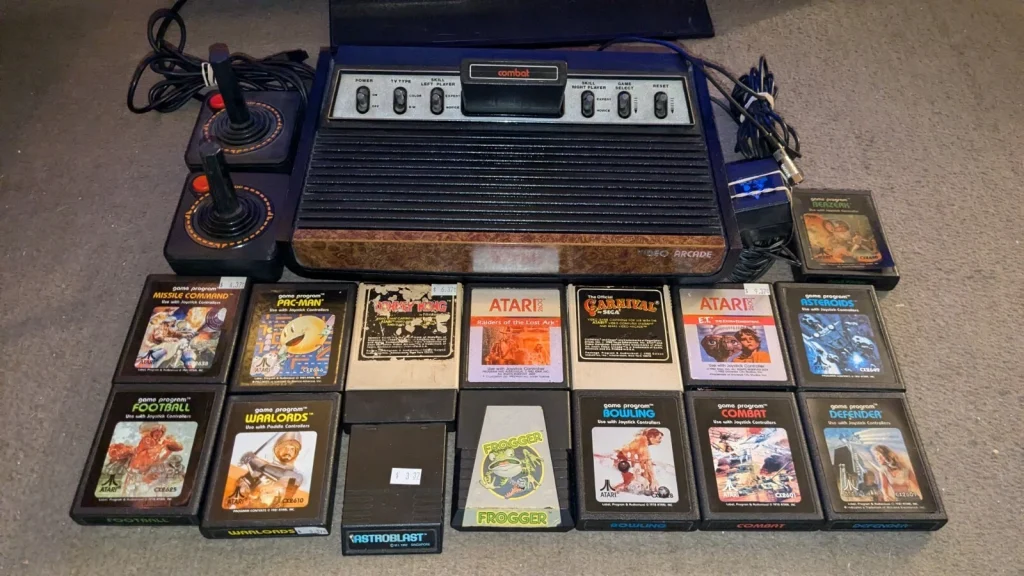
Home gaming was fun before Space Invaders. After Space Invaders, it felt urgent. The 1980 cartridge brought a real arcade sensation into the house, and that changed the system’s status overnight. Suddenly the console wasn’t merely versatile. It was where you could play the thing everybody was already talking about.
That mattered because arcades had become their own kind of theater, loud, bright, crowded, and a little electric. You heard the sounds before you reached the machines. You watched older kids chase high scores. You waited your turn with a quarter in your hand. Bringing even a slice of that mood home felt almost impossible until Atari made it normal.
If you want a quick reminder of how sticky that arcade appeal was, these easy 80s arcade games capture the same simple, immediate pull that hooked players in the first place.
By 1982, the machine was so dominant that “Atari” had become shorthand for video games in everyday conversation, a point reflected in the broader history of the Atari 2600. That’s when a product stops being a curiosity and starts becoming part of culture.
Pac-Man tells the other half of the story. The home version was hugely anticipated, and kids wanted it because Pac-Man was everywhere. On lunchboxes, in songs, in commercials, in playground chatter, the yellow circle had gone national. The cartridge didn’t match the arcade magic people imagined, and players noticed. Still, families bought it in droves because the dream was bigger than one imperfect port. They wanted the arcade at home, and Atari had taught them that wish could come true, at least most of the time.
Adventure, Pitfall!, and New Living-Room Rituals
Arcade ports got people in the door. Home-grown play habits kept them there.
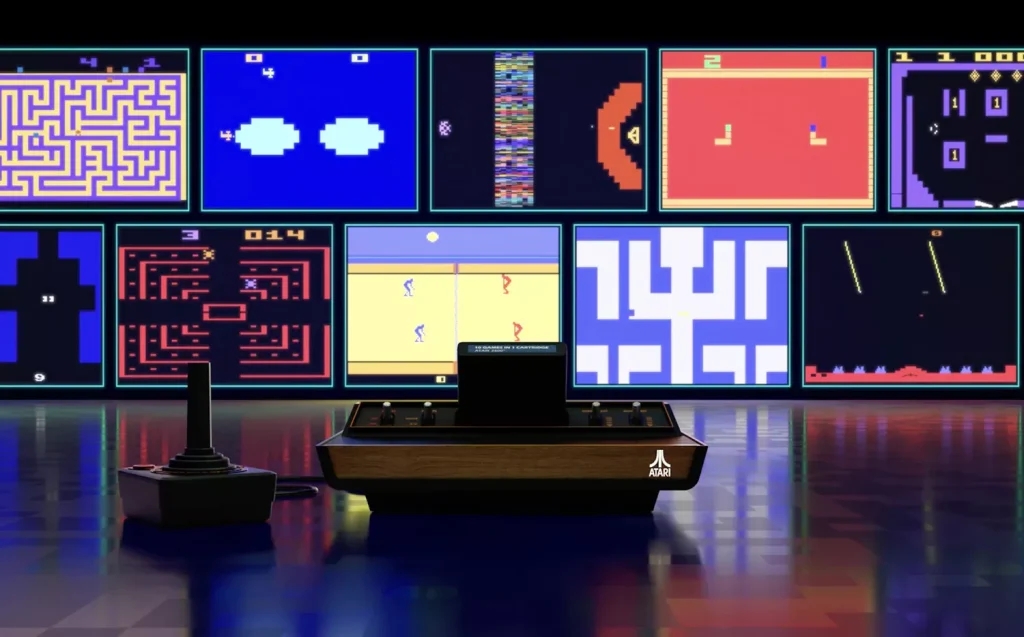
Adventure is the perfect example. Its graphics were simple even by the standards of the day, but the experience felt bigger than the screen. You explored. You searched. You carried objects from place to place. You got lost, then found your way. It even hid one of gaming’s first famous Easter eggs, which gave players the giddy feeling that this little machine still had secrets left.
Then came Pitfall!, a game that made motion feel fast and daring on hardware that had no business looking that lively. Swinging over pits, timing jumps, racing the clock, it turned the 2600 into something more than an arcade stand-in. It proved a home console could create its own style of adventure.
And Combat never stopped mattering. Plenty of Atari memories begin with more sophisticated games, but a lot of them start with two tanks bouncing shots around a simple maze and two players shouting at the screen.
That was the culture the console helped build. Cartridges lined up near the TV. Instruction booklets got read in the back seat on the ride home. Kids learned which setting switches made a game easier or meaner. Scores were chased, bragged about, then challenged again after school. The graphics were blocky, sure, but imagination did a lot of the heavy lifting. If the game said that square was a dragon, you believed it.
The Atari 2600 taught families that game systems weren’t one-night novelties. They were repeat visitors.
The Legacy That Future Consoles Built On
Later consoles had better sound, sharper graphics, and smoother controls. No argument there. But the Atari 2600 wrote the basic script.
A machine under the TV. A controller in your hand. A library of games that could keep growing. One killer title that made people rush to stores. One multiplayer favorite that turned siblings into rivals. One adventure game that made you wonder what else a console could do. Nintendo and Sega would refine that formula. Sony and Microsoft would scale it up. Atari planted it in the living room first.
The 1983 crash bruised the home game business, but it didn’t erase what the 2600 had already done. It had already trained a generation to think of the television as an interactive screen. That idea stuck. It never left.
That’s why the console still gets treated with affection in retrospectives about its pop-culture afterlife. People remember the machine itself, yes, but they also remember the setting around it. The carpet. The wood-paneled room. The click of the power switch. The little burst of static on the screen before the game appeared.
That’s the difference between a successful product and an icon. The Atari 2600 wasn’t only played. It was lived with.
The Atari 2600 filled living rooms because it understood the room before it tried to conquer it. It fit the family TV, the family budget, and the family habit of gathering around one screen.
Its lasting trick was simple and huge at the same time. Atari 2600 made home gaming feel normal, then exciting, then unforgettable. Every console that followed walked through a door this one opened first.