
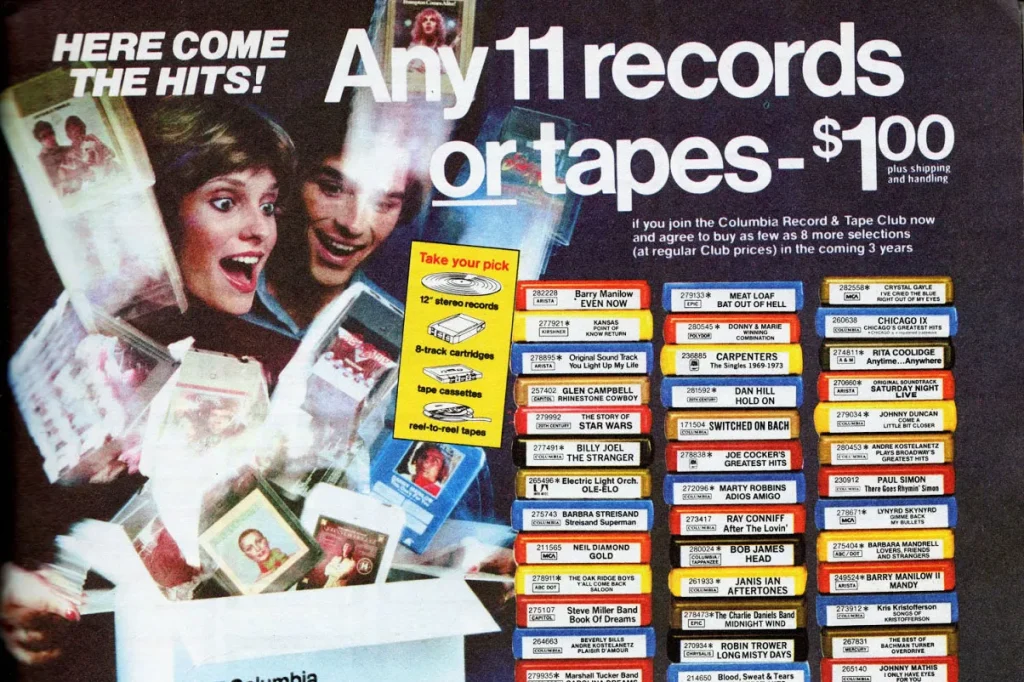
A penny for 12 tapes sounded like a dare. Yet there it was, tucked into magazines, newspaper inserts, and those little reply cards that seemed to find every living room in America, all orchestrated by the Columbia Record Club.
If you grew up in the 1980s, you probably remember the excitement of joining this subscription service more than the specific terms. There was something thrilling about a stack of Columbia House tapes arriving in the mail, featuring your favorite artists, and the wild idea that your music collection could grow for almost nothing. Of course, the catch was real, and it certainly mattered.
That mix of excitement, confusion, and fine print is exactly why the deal still lives rent-free in the memories of everyone who grew up in the 80s.
Key Takeaways
- The famous ’12 tapes for a penny’ offer was a classic hook designed to lure customers into a long-term subscription contract, not a genuine giveaway.
- Membership relied on a ‘negative option’ billing system, where customers were automatically sent and charged for featured selections unless they actively opted out by a specific deadline.
- While frequently remembered as a scam, the business model was legally binding; most dissatisfaction stemmed from customers ignoring the fine print or failing to keep up with recurring purchase obligations.
- The club’s success was rooted in the 1980s cassette boom, offering young music fans a sense of access and identity that traditional retail could rarely match in volume.
- The physical mail-order model eventually folded due to the digital revolution, as streaming and online distribution rendered the rigid, subscription-based physical media cycle obsolete.
Why That Penny Offer Felt Impossible to Resist
The cassette era made this offer hit harder.
Albums were personal, portable, and a little expensive when your income came from birthday money, mowing lawns, or whatever coins were hiding in the couch. Music back then was more than just background noise. Whether you were curating a collection of cassette tapes, flipping through classic vinyl records, or digging through a stash of dusty 8-track cartridges, your music was your identity. It was what you played on the bus, what you rewound in your bedroom, and what you carried in a cracked plastic case with a favorite pen jammed inside.
So when Columbia House said you could grab a dozen tapes for a penny, it felt almost cartoonish. Not cheap, not discounted, not special introductory pricing. A penny. One coin. That was the hook, and it worked.
The Columbia House history starts long before the 1980s, but the cassette boom is when this iconic mail-order music club became a staple of everyday pop culture. The ads were everywhere, and while the BMG Music Service stood as a primary competitor, both companies spoke the language of instant gratification before the internet made instant gratification boring.
You would stare at those tiny album boxes, start circling titles, and build a dream stack in your head. Maybe you picked a little pop stacked with 80s one-hit wonders, a little rock, one tape your friends loved, and one your parents did not need to know about. Suddenly, your future looked louder.
That mattered because cassettes fit the decade perfectly. They were affordable, recordable, and made for motion. Slip one into a Walkman, hit play, and the world improved.
How Columbia House Tapes Actually Worked
The basic idea was simple, but the actual deal was complex. This legendary mail-order music club, eventually operated under the umbrella of Sony Music Entertainment, turned the way people discovered new albums into a massive business operation.
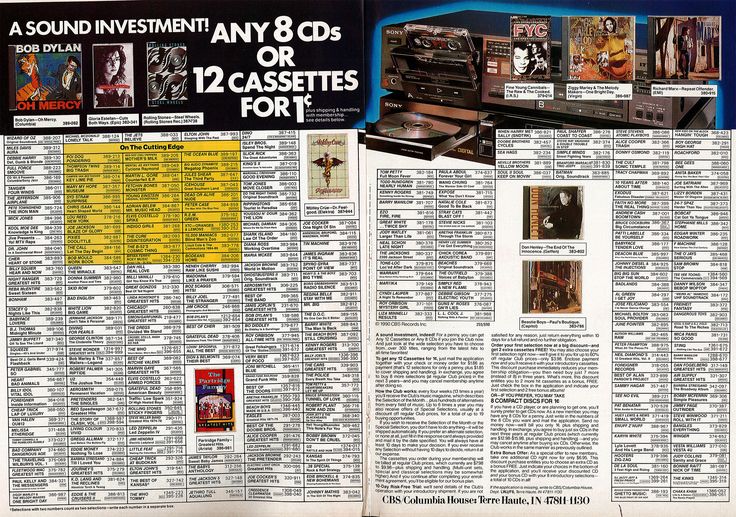
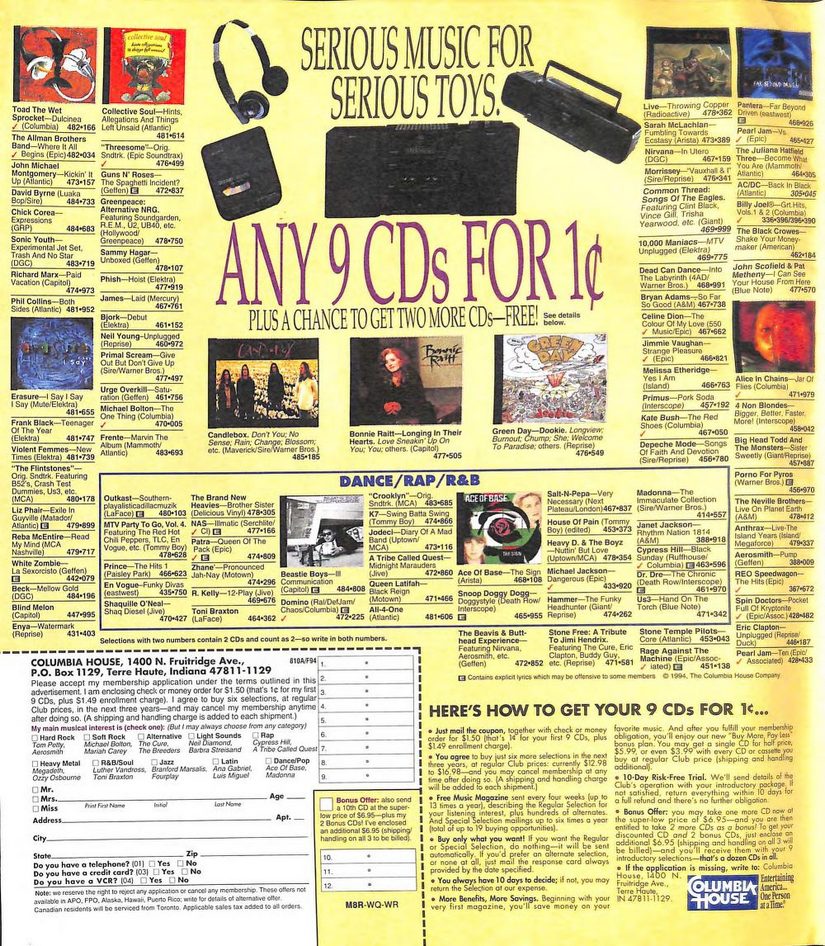
You enrolled by filling out an order form, usually found in a magazine ad or an insert card. You chose your introductory tapes, mailed in the coupon, and sent the tiny payment, often just a penny, though some versions added shipping and handling fees or changed the number of selections.
Then came the important part: you agreed to buy more tapes later.
The exact commitment changed over time and by promotion. One ad might ask for several additional purchases over a set number of years. Another might phrase it a little differently, but the structure remained consistent. The first box was the bait, while the subsequent purchases were the core of the business model. This membership obligation was the true cost of entry for those deep discounts.
Here is the clearest way to think about it:
| Part of the deal | What you did | What it usually meant |
|---|---|---|
| Enrollment | Mailed the coupon with your picks | You joined the music club and accepted its terms |
| Introductory shipment | Got a big batch of tapes for almost nothing | The 12 for a penny promise was fulfilled |
| Purchase commitment | Agreed to buy more tapes later | You had to complete a set number of full-price or club-price purchases |
| Monthly offer | Received the featured selection notice | You had to reply by the deadline if you did not want that month’s tape |
| Fine print | Accepted the club’s rules | Shipping and handling charges, deadlines, and billing terms applied |
The penny got your first box. The commitment paid for the rest.
This is where a lot of memories get fuzzy. People often remember the giant bargain and forget the regular club price on later purchases. Those tapes were not one-cent miracles forever. After the intro shipment, future selections cost real money, often more than a discount-bin tape at the mall, especially once those extra shipping and handling fees were added.
Still, the deal was not nonsense. If you planned to buy those albums anyway, and if you kept track of your obligations, the math could work in your favor. That if did a lot of heavy lifting.
The Monthly Selection Card, and the Fine Print
The monthly selection system was the part that separated careful customers from distracted ones, primarily through a practice known as negative option billing.
Each month, Columbia House sent a notice featuring the club’s album of the month. If you wanted it, great. If you did nothing, the record or tape would ship automatically after the response deadline passed. If you did not want it, you had to return the form in time or decline via the method the club was using at that point. This reliance on negative option billing was the engine that kept the cycle of inventory moving.
That setup was not a secret. It was clearly laid out in the terms of service. However, it was rarely the part anyone daydreamed about while eagerly choosing their first 12 tapes.
That is the whole story in a nutshell.
The fine print was not just for show. It detailed the purchase commitment, the rigid timing, the shipping charges, and the automatic shipment process. Customers who read it knew what the club expected. Those who skimmed it, or perhaps never saw the card because a teenager snatched it from the mail pile, usually remembered the experience in a much less affectionate way.
A Mental Floss breakdown of the business model explains that the company, which eventually fell under the umbrella of Direct Brands Inc, stayed profitable because customers kept buying at club prices, missed their decline deadlines, or never finished their contractual commitments cleanly.
That does not make every horror story true. Some memories turn the deal into a total scam, as if the company promised free music and then invented charges out of thin air. That is not what usually happened. More often, people simply ignored the terms, forgot the deadlines, or underestimated how annoying it would be to stay organized month after month.
Small print, big consequences. Very 80s.
What Ordering Columbia House Tapes Felt Like
This is the part people remember with a goofy grin.
You fill out the little boxes with a pencil. You debate your picks like the fate of civilization depends on whether side B should belong to Bon Jovi or Whitney Houston. You mail the form. Then you wait.
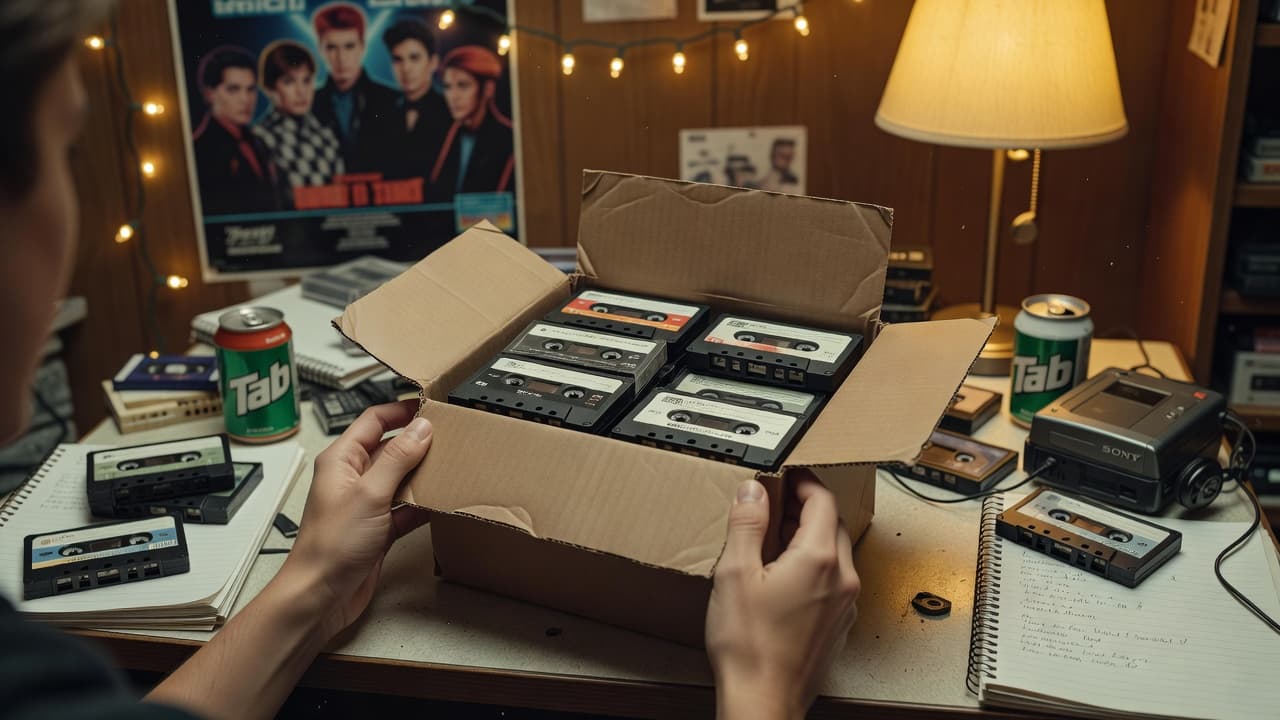
And one day, the box shows up.
That first shipment felt enormous. Not physically, maybe, but emotionally. Receiving these free albums was a full personality transplant. Overnight, your shelf looked serious. Your bedroom looked cooler. Your portable listening life changed fast, especially if you were already deep into Sony Walkman cassette nostalgia.
A typical experience might have gone like this: you joined at 14, picked 12 tapes you could never have bought in one trip to the record store, and spent the next week swapping them in and out of your player. As the industry shifted, those same teenagers eventually found themselves eyeing 12 CDs for a penny, which became the standard hook for a new generation. Later, these same club models would even extend to the DVD club as home entertainment evolved.
A month after that first delivery, another mailing arrived. Maybe you tossed it aside. Maybe your mom put it near the phone. Maybe you meant to mail the decline card tomorrow. Oops.
Then came the second phase. You started buying the required extra tapes to complete the deal, or at least telling yourself you would. Some members stayed on top of it and did fine. Others ended up with albums they did not love because they were trying to finish the commitment as cheaply as possible. This aggressive push was a hallmark of how CD sales were driven for decades.
And yes, a lot of those tapes fed straight into classic 80s mixtape culture. That was part of the magic. One mail-order box could power weeks of dubbing, labeling, rewinding, and replaying.
Was It a Scam, or Did People Ignore the Terms?
The honest answer is less dramatic than the legend.
Columbia House was not a free-music fairy godmother. It was a subscription-style music club built around a bargain intro offer, ongoing purchase obligations, and a negative option billing system. While this model helped the broader music industry facilitate distribution, it relied on a negative option billing cycle that many subscribers found confusing. That is a mouthful, but it is exactly what happened.
People remember it as a scam for a few reasons. First, many customers joined when they were young and did not think like contract readers. Second, the offer was so flashy that the rules felt like an afterthought. Third, memories from Columbia House, the BMG Music Service, and various cassette or CD clubs all blur together into one giant fog bank of confusion. It is easy to see why people felt misled; after all, even if you eventually graduated to getting 12 CDs for a penny, the underlying mechanics were designed to keep you committed.
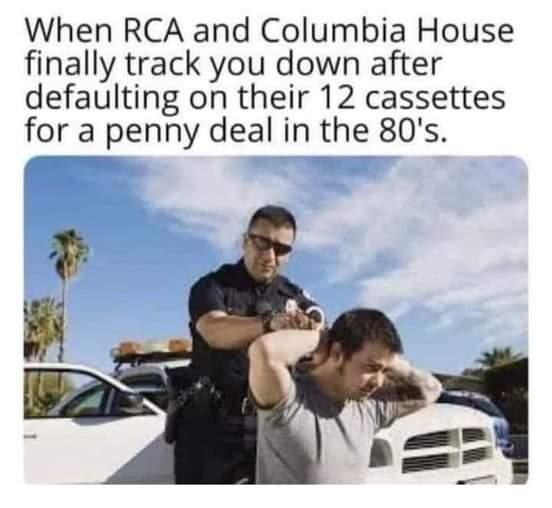
Some stories are true enough. People used fake names or signed up without parental approval. When members ignored bills, they often found themselves dealing with aggressive collection agencies. Some users even faced legal pressure from collection agencies after failing to meet their purchase requirements. Others completed the terms and walked away satisfied, having received their music at a price that accounted for the necessary royalty payments sent to artists and labels.
That is the difference between myth and memory.
If you treated the offer like a casual freebie, it could bite you. If you treated it like a contract with a giant opening discount, it made sense. Not glamorous, not evil, just old-school mail-order math dressed up in a neon windbreaker.
And while Columbia House later became tightly linked with digital formats in many people’s minds, the cassette version is the one that feels most 80s. It was more tactile and more portable, even if it was more likely to end up tangled in a player after being loved half to death.
Frequently Asked Questions
Was the ’12 tapes for a penny’ deal actually free?
No, the penny only covered the introductory shipment. To fulfill the deal, members had to sign a contract agreeing to purchase additional music at regular club prices over a set period, which made the total cost of the membership significantly higher than the initial promotional price.
What does ‘negative option billing’ mean in this context?
Negative option billing was a practice where the club sent a featured album of the month to members automatically. If the subscriber did not send back a response card declining the offer by a set deadline, they were shipped the item and charged for it.
Did people really get in trouble for not paying?
Yes, since the memberships were formal contracts, failure to meet the required purchase commitments or ignoring invoices often led to aggressive follow-ups from collection agencies. Many people who signed up without fully reading the terms were surprised by these financial consequences.
Why do so many people remember it as a scam?
The deal is often remembered as a scam because the promotional marketing prioritized the ‘penny’ offer while burying the complex contractual obligations in the fine print. Because many users were young when they joined, they often underestimated the ongoing commitment required, leading to frustration when the bills for the required monthly selections arrived.
Why the Penny Deal Still Sticks
What people remember is not the paperwork. It is the rush.
The reason Columbia House tapes still glow in 80s memory is simple: the offer let ordinary kids feel rich in music for one glorious minute. Then the fine print showed up, right on schedule, and reminded everyone that grown-up rules were hiding inside that little penny promise.
Ultimately, this business model could not survive the digital revolution. As file sharing surged in popularity and streaming services redefined how we access music, the physical subscription model became obsolete. It was a unique chapter in media history, one that finally closed during a quiet bankruptcy auction that signaled the end of the tape and disc subscription era.
That tension is why the story lasts. It was part dream, part contract, and pure cassette-era magic.