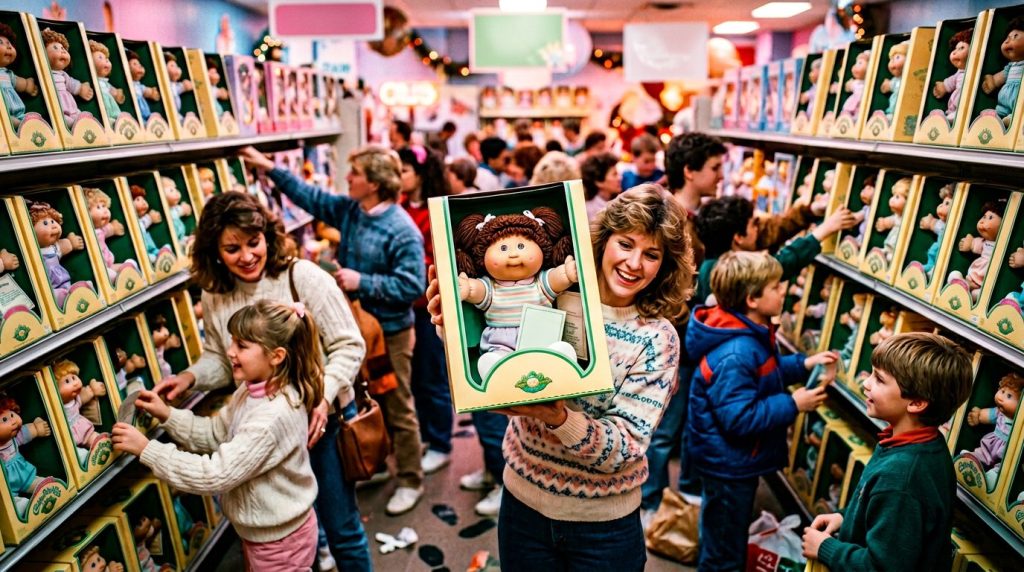
One doll should not be able to turn a toy aisle into a contact sport. But in late 1983, Cabbage Patch Kids came awfully close.
If you were around then, you can probably picture it now, pastel boxes, puffy yarn hair, and grown adults scanning shelves like their holiday destiny depended on it. In a lot of homes, it kind of did. To understand why, you have to look past the cute faces and straight at the mix of marketing, scarcity, and pure Christmas panic that made these dolls unforgettable. If you didn’t have a Cabbage Patch Kids, then you had a Teddy Ruxpin talking bear to tell you a story.
Why Cabbage Patch Kids Felt So Different
Part of the magic was that they did not feel like ordinary dolls.
Before Coleco turned them into a national hit, Xavier Roberts had built a whole fantasy around his handmade “Little People” in Georgia. As The Strong National Museum of Play explains, the dolls came with names, adoption papers, and a story that made them feel personal from the start. You were not buying plastic and fabric. You were “adopting” a one-of-a-kind kid.
That idea was catnip for children and parents alike. Every doll looked a little different. Each one had a face you could latch onto. Round cheeks. Sleepy eyes. Wild yarn hair. They felt less like merchandise and more like a tiny character waiting to come home with you.
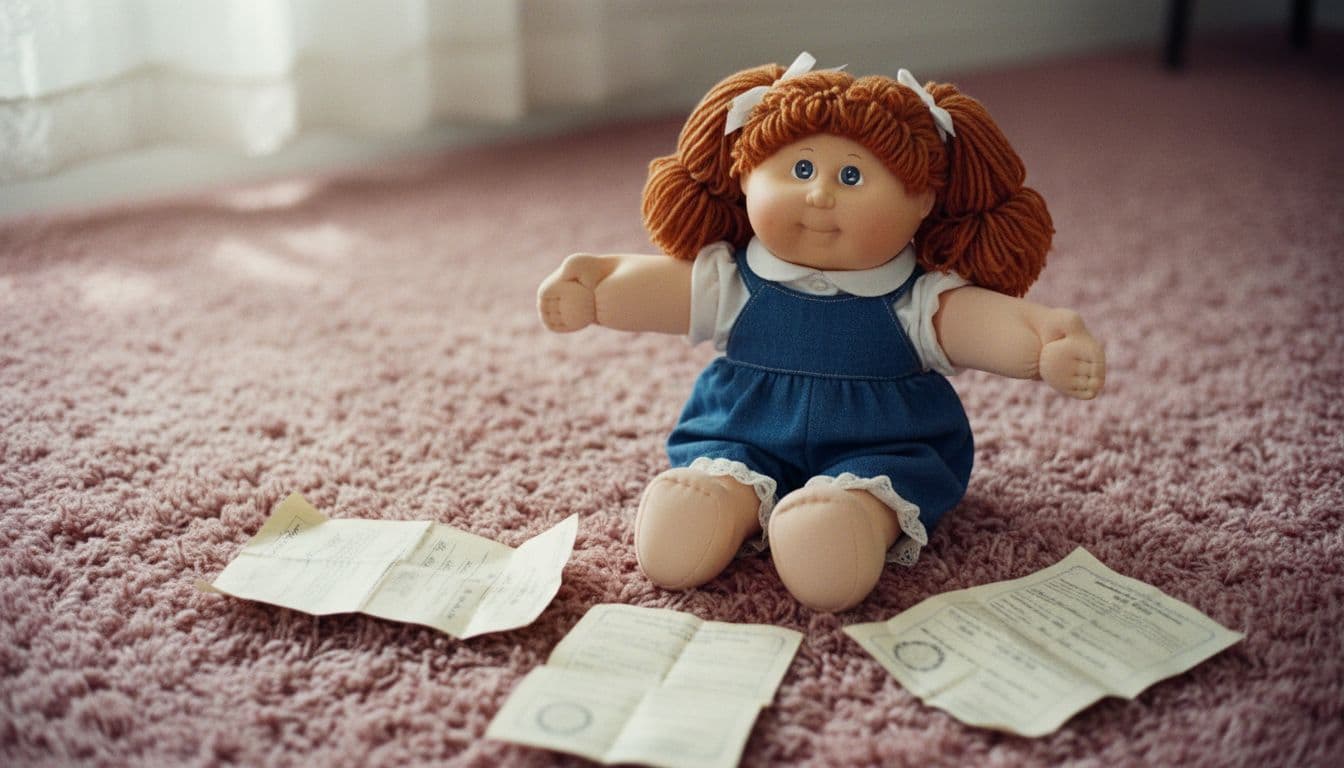
The adoption angle was also brilliant theater. Roberts’ BabyLand setup in Cleveland, Georgia, turned shopping into a ritual. Time’s 1983 piece on the craze described nurse uniforms, vows of love, and a sales pitch wrapped in storybook sweetness. In the early 80s, that kind of immersive branding felt fresh, weird, and hard to ignore.
The backstory was not as simple as the ads made it seem. History.com’s look at what fueled the craze points out that Roberts’ path to Cabbage Patch Kids included earlier handmade dolls, commercial growth, and legal conflict over similar designs. That does not erase the toy’s impact, but it does remind you that the cuddly fantasy had real business muscle behind it.
Then Coleco scaled the idea for mass retail in 1983, and everything changed. The dolls kept enough of the original charm to feel special, while the lower price made them reachable for far more families. That was the sweet spot. Personal enough to feel rare, available enough to become a national obsession.
The Holiday Rush That Turned Shopping Into News
Once Christmas shopping hit full speed, demand blew past supply.
Stores sold out fast. Parents lined up before opening. News cameras showed crowd surges, empty shelves, and frazzled shoppers clutching boxes like they had found buried treasure. The toy itself was soft and sweet. The buying experience, not so much.
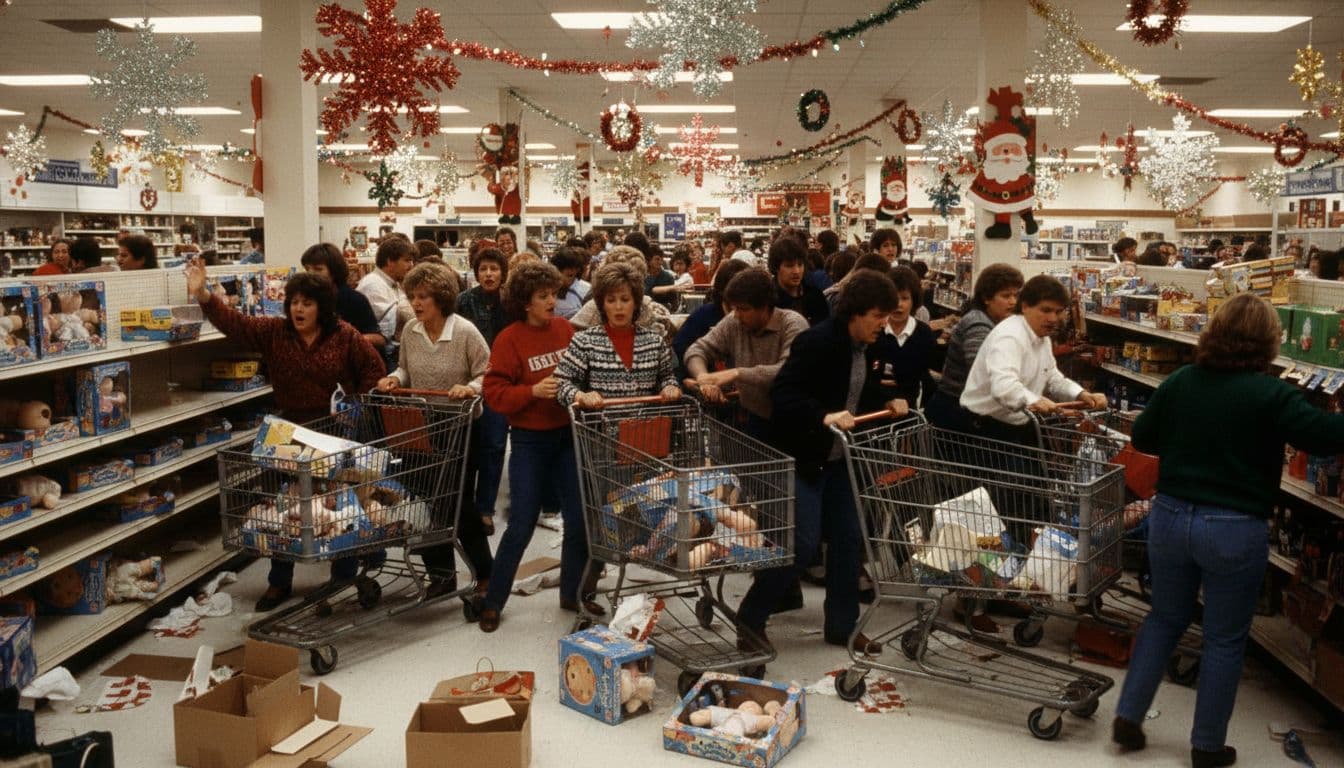
A lot of the most famous stories from that season involve pushing, shouting, and the now-famous image of store stampedes. Some incidents were well documented. Some were amplified by local TV, newspaper headlines, and years of retelling. Either way, the broad picture is clear: people wanted these dolls badly, and retailers were not ready for the rush.
This was never only about a doll. It was about scarcity, cameras, and parents hearing the clock tick toward Christmas morning.
That media attention mattered. It did not merely report the craze, it fed it. Every clip of a packed department store told viewers the same thing: get one now, or you may miss out. That kind of feedback loop is familiar today, but in 1983 it felt huge. Morning shows talked about it. Newspapers splashed it across lifestyle sections. The craze became part toy story, part national spectacle.
There was also something deeply 80s about the whole scene. This was the decade of big mall culture, glossy ads, and products pitched as identity markers. Cabbage Patch Kids fit right in. They were cute, collectible, and impossible to ignore. When a toy becomes a status item in the schoolyard and a stress test in the parking lot, it has moved beyond playtime.
And parents felt the pressure. No one wanted to be the adult who came home empty-handed when every kid in America seemed to have one name on the list.
Why the Craze Still Matters
Plenty of hot toys come and go. Cabbage Patch Kids stuck in memory because the craze hit more than one nerve at once.
Kids loved the dolls because they looked friendly and individual — the same appeal that made Rainbow Brite dolls so beloved. Parents responded to the adoption story because it made the purchase feel emotional, not transactional. Retailers loved the traffic. TV loved the chaos. Put that together and you get a toy craze with a full cast of characters, not just a product.
It also set a pattern for what came later. Tickle Me Elmo had the holiday stampede energy. Beanie Babies had the collectible fever. Furby had that strange must-have buzz. But Cabbage Patch Kids pulled together all those ingredients early, and on a massive scale. They were not the first toy fad, but they became one of the clearest templates.
For 80s fans, that is part of the charm. The dolls were cute, yes, but the story around them was even bigger. They captured a moment when marketing could still feel whimsical, when the evening news could turn a toy aisle into national drama, and when Christmas shopping could feel like a mission.
That is why people still talk about them. Not because every memory is soft and sentimental, but because the whole episode was so vivid. Sweet faces, wild crowds, and a holiday season that went off the rails in the most 1980s way possible.
One doll should not cause that much chaos, and yet Cabbage Patch Kids did because they were never only dolls. They were a story, a status symbol, and a holiday wish wrapped into one soft-bodied package.
That is the lasting power of the craze. It was retail theater with a birth certificate, and for one wild stretch of the 80s, America bought into every second of it.