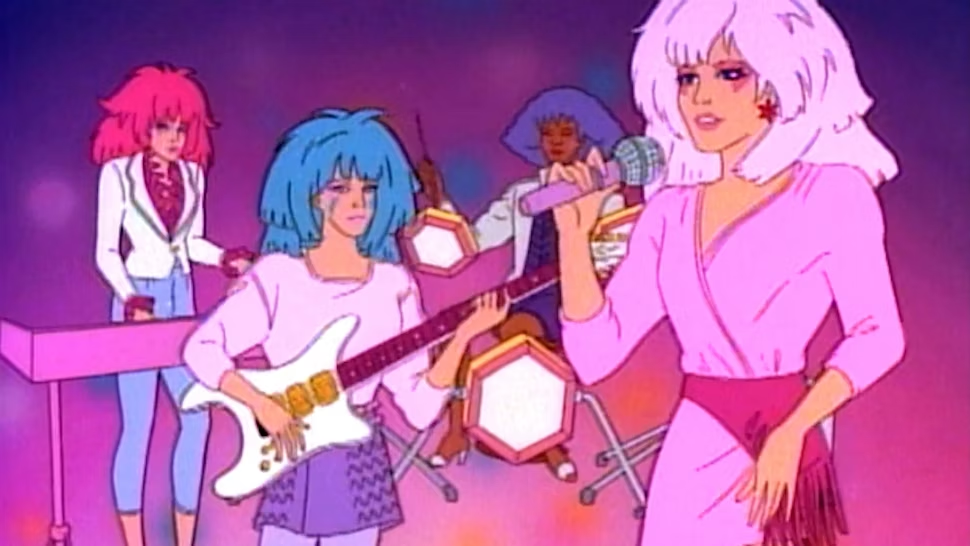
One look at pink hair, star earrings, and a wall of neon, and you knew this wasn’t ordinary Saturday morning TV. The boys had He-man, and the girls had Jem and the Holograms sold a fantasy, secret identities, girl-band glamour, and songs that landed like tiny music videos.
If you were the kind of kid who loved sparkle, style, and a little drama with your cartoons, this show felt massive. Even now, for people who missed it the first time, the appeal is easy to see. It turned wish-fulfillment into a full-color event.
More Than a Cartoon, Jem and the Holograms Was a Pop-Star Daydream
Jerrica Benton was already interesting before the transformation gimmick kicked in. She ran Starlight Music, cared about the girls at Starlight House, and had more on her plate than most cartoon leads. Then came Synergy, the holographic supercomputer built by her father, and suddenly Jerrica could become Jem with the flash of those famous earrings. According to Wikipedia’s series overview, the show ran for 65 episodes from 1985 to 1988, and it spent that whole run pushing the fantasy to the max.
The genius part was simple. Jem wasn’t only cooler than real life. She was real life, upgraded. Same heart, louder colors.
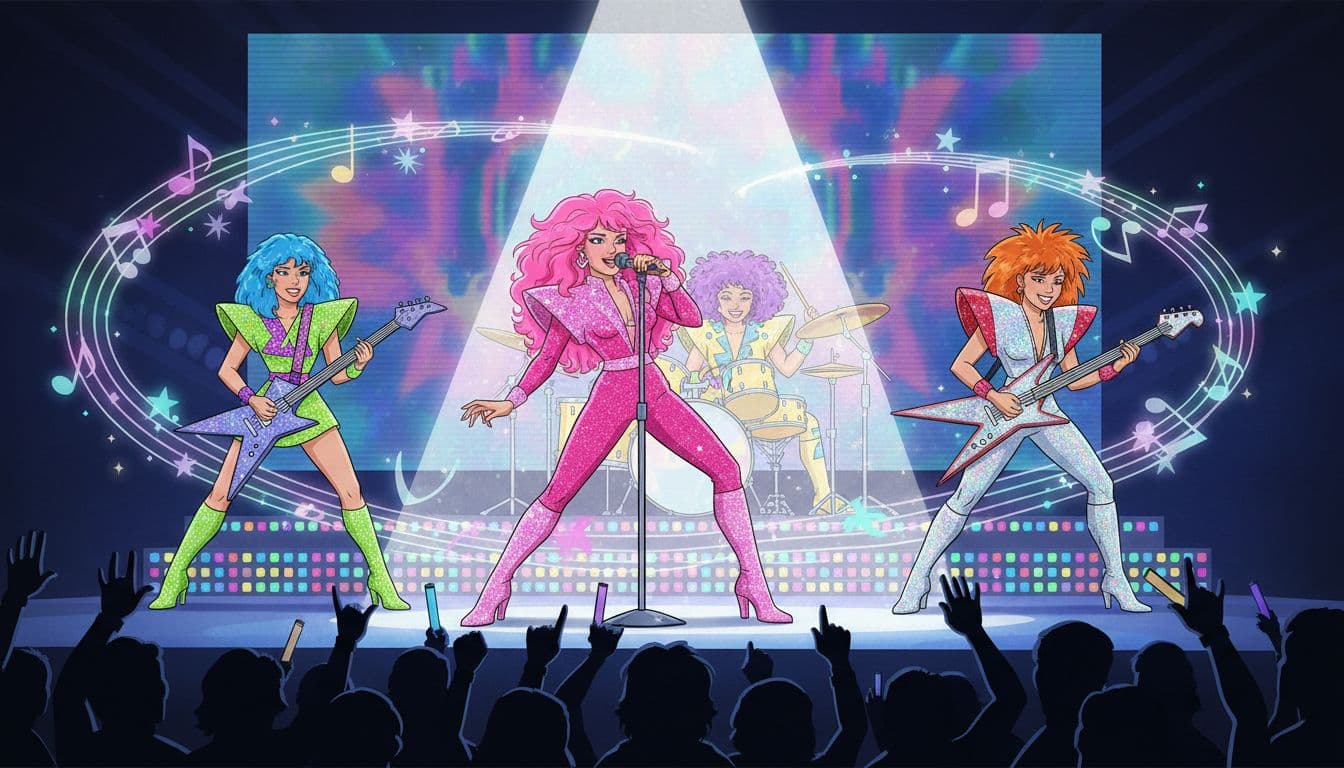
The Holograms themselves helped seal the deal. Kimber brought passion and impulsive energy. Aja had that blue-haired, street-smart cool that every 80s kid recognized instantly. Shana often felt like the most fashion-forward one in the room, polished and poised without fading into the background. Later, Raya added fresh rhythm and attitude. They looked different, sounded different, and felt like actual personalities instead of color-swapped placeholders.
Then you had The Misfits, who turned every rivalry into a glorious sugar rush. Pizzazz was all ego and venom. Roxy stomped in like trouble with hairspray. Stormer gave the group a softer edge, which made her even more interesting. Jetta, when she arrived, piled on extra chaos. Their feud with Jem’s band gave the show a juicy center. It wasn’t enough to sing better. You had to survive sabotage, schemes, tantrums, and the occasional fashion assault.
The Glittery Look Girls Couldn’t Stop Staring At
Let’s be honest, the visuals did a lot of the heavy lifting. This show understood that clothes could tell you who a character was before she said a word. Jem’s shimmering gowns and pink mane screamed star power. Kimber’s red curls and layered pop-princess looks felt romantic and restless. Aja looked like the coolest New Wave girl at the arcade. Shana often wore the sleekest, sharpest outfits in the bunch.
Nothing about the design was timid. Shoulder pads, metallic fabrics, slouchy boots, giant earrings, cinched waists, fingerless gloves, dramatic belts, asymmetrical skirts, all of it came piled high with confidence. Even street clothes looked stage-ready.
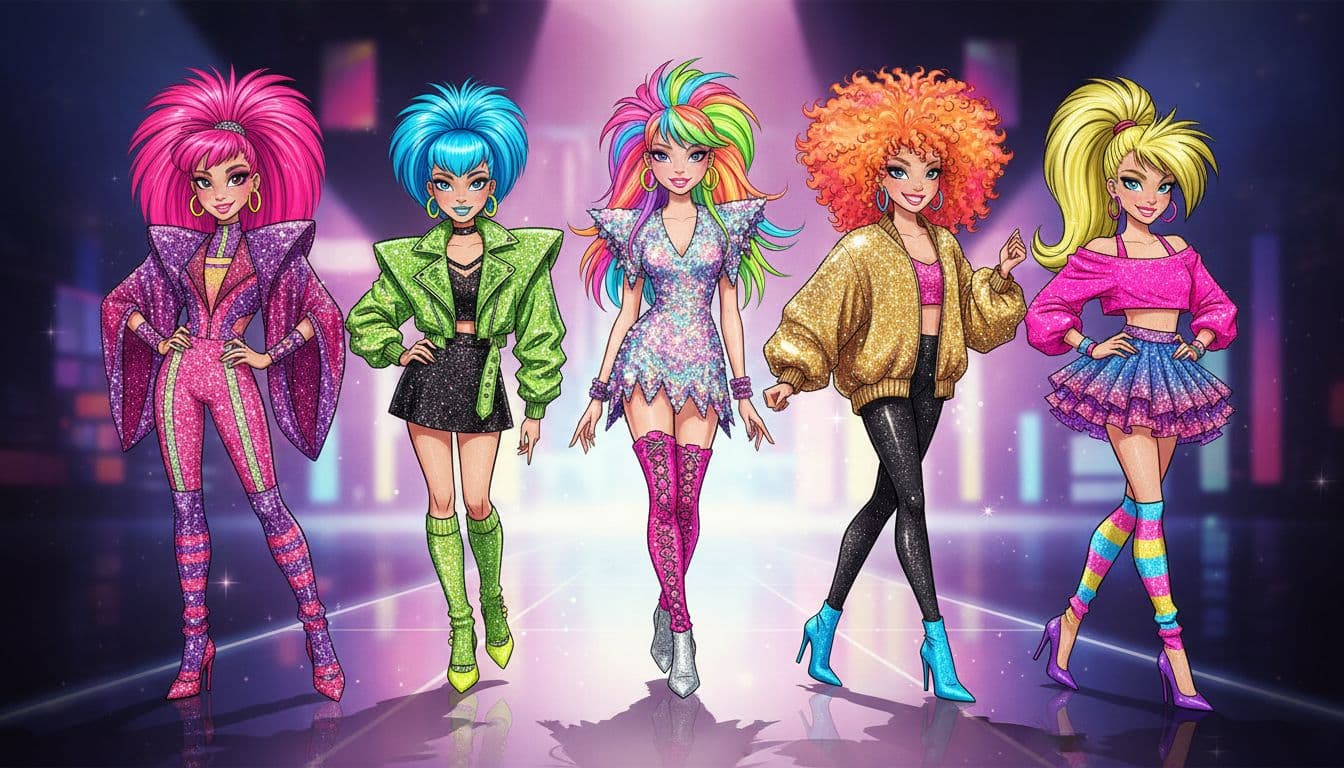
The Misfits pushed the style even harder. Animal prints, wild makeup, shredded silhouettes, loud color clashes, they looked like trouble before they opened their mouths. That contrast mattered. Jem and her friends looked dreamy. The Misfits looked dangerous. Both were fabulous.
It wasn’t subtle, and that was the whole point.
For a lot of girls, that aesthetic was the hook. The show didn’t ask you to imagine a normal life with tiny upgrades. It handed you a dress-up box the size of a galaxy. The dolls carried that same promise, right down to the cassettes that came with them. Nostalgia Central’s Jem page gives a nice snapshot of how big the toy line became. You didn’t need to own one to feel the pull, though. You only had to look at the screen.
The Songs, the Drama, and the Synergy Effect
A lot of cartoons had catchy themes. Jem had actual songs you remembered later. “Truly Outrageous” is the obvious crown jewel, but tracks like “Only the Beginning” and “Like a Dream” gave the series its dreamy, synthy pulse. The Misfits got their own killer numbers too, especially “Makin’ Mischief,” because villainy always sounds better with a hook.
That music-video structure was a huge part of the magic. Episodes often paused for full song sequences with montage visuals and emotion turned all the way up. This was MTV through a glitter cannon, only safer for cereal time.
The plots were pure 80s excess in the best way. Rio loved Jem but didn’t know she was Jerrica, which kept the romantic tension humming. Eric Raymond schemed like it was a full-time job. Starlight House gave the show a warm heart under all the glam. One episode might send the band into charity trouble, another into international adventure, and another into a battle of nerves with the Misfits. It was a pop soap with better earrings.
Synergy made the whole thing sparkle
Without Synergy, the fantasy doesn’t quite click. With her, it sings. The holographic computer could create disguises, illusions, stage effects, and escape routes, all through those star-shaped earrings. It was sci-fi, fairy godmother magic, and backstage tech fantasy rolled into one.
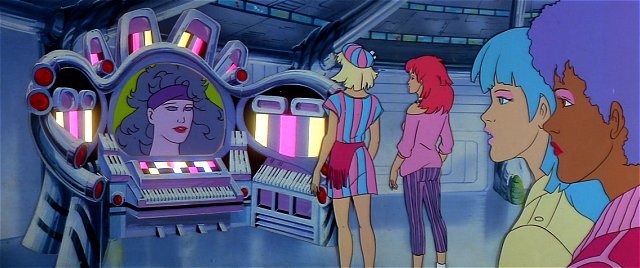
That detail gave the show its secret sauce. Jem wasn’t only about becoming prettier or more famous. It was about becoming bigger, brighter, and bolder when the moment called for it.
Why It Still Feels Truly Outrageous
The show still works because it put girls at the center and let them be everything at once. Glamorous. Messy. Ambitious. Generous. Competitive. Loud. They weren’t sidekicks in somebody else’s story. They ran the stage, ran the drama, and often ran the business too.
For 80s kids, that mix was irresistible. For newer viewers, it plays like a bright little time capsule with heart. Rolling Stone’s look at Jem’s legacy shows how much love the series still gets, and that makes perfect sense. The cartoon could be campy, sure, but it was never embarrassed by its sparkle. That’s why it lasts.
Some shows age into trivia. Jem and the Holograms still feels like a mood, a dream, and a toy aisle explosion all at once.
That’s the sweet spot people remember. Pink hair, huge songs, glitter everywhere, and a cartoon that told girls they could be stars without shrinking any part of themselves. Truly outrageous, yes. Also genuinely beloved.