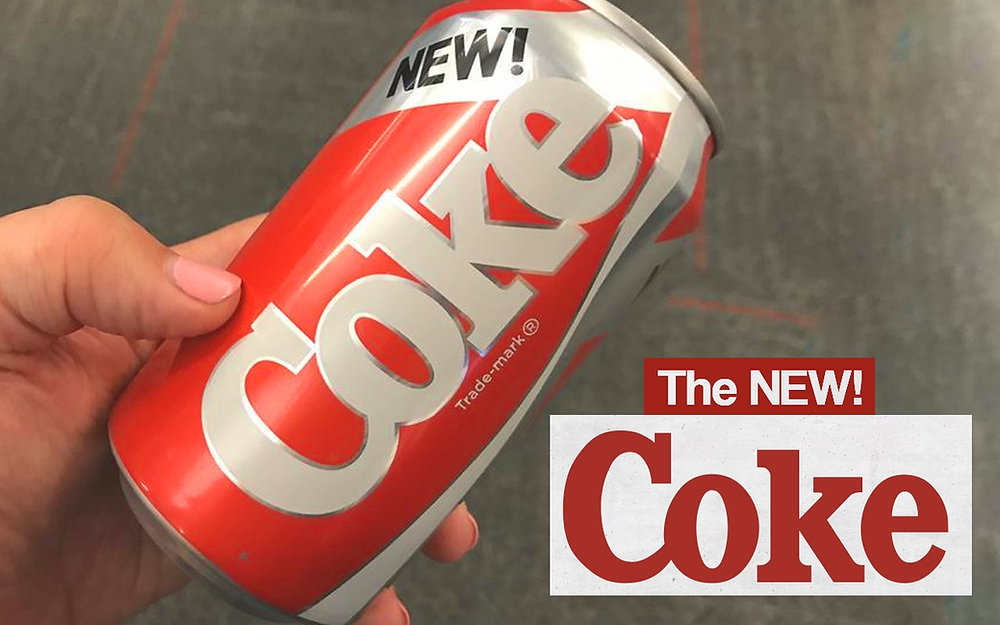
New Coke didn’t crash because Americans suddenly lost their taste for sweet soda. It crashed because new coke ran smack into memory, habit, and brand loyalty.
For 80s fans, the whole thing still feels a little unreal. The myth says Coca-Cola pulled off a giant fake-out, killed the old formula on purpose, then basked in the comeback. Great story. The better-supported one is less slick, and way more interesting.
By 1985, the cola wars were heating up, Pepsi was gaining ground, and Coke trusted the wrong kind of evidence.
Why Coca-Cola Changed the Formula at All
By the early 1980s, Coca-Cola had a real problem. Pepsi’s sweeter profile was doing well in blind taste tests, and the Pepsi Challenge kept hammering that point home. Coke executives, including Roberto Goizueta, weren’t treating the formula like a museum piece. They saw a flagship brand under pressure.
So the company tested. A lot. New formulas, consumer panels, sip comparisons, the whole corporate lab-coat routine. In those conditions, the reformulated cola often beat both Pepsi and old Coke. That gave leadership confidence that changing the recipe wasn’t reckless. It looked rational.
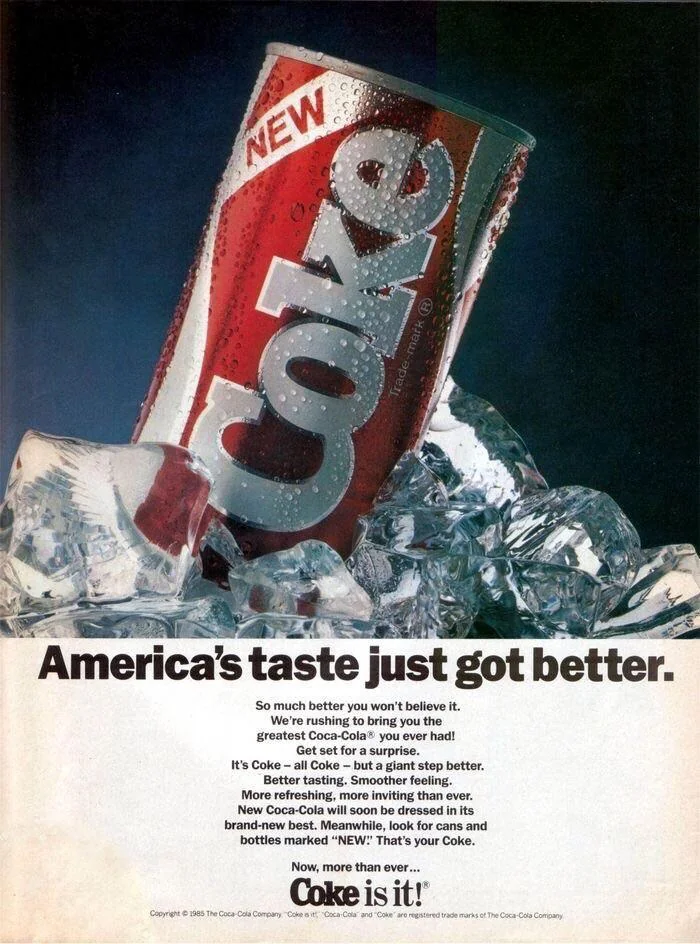
Here’s the short version of how fast it all moved:
| Date | What happened | Why it mattered |
|---|---|---|
| 1975 | Pepsi Challenge expands | Coke feels competitive heat |
| 1984 to early 1985 | Coke runs massive taste tests | Sweeter formula looks like a winner |
| April 23, 1985 | New Coke is announced | Original Coke is set to disappear |
| July 11, 1985 | Coca-Cola Classic returns | Backlash forces a reversal |
The key mistake was baked into the launch. This wasn’t introduced as a side option or a limited spin-off. Original Coke was being replaced. That turned a product update into something much more loaded. For loyal drinkers, it felt less like “try this” and more like “the thing you grew up with is gone.”
Why the Taste Tests Pointed Coke in the Wrong Direction
Blind taste tests are good at measuring first sips. They’re bad at measuring relationships. A sweeter cola can win in a tiny paper cup and still lose over a full can, a whole week, or a lifetime of habit.
That was the trap. According to HISTORY’s look at why New Coke flopped, Coca-Cola ran about 190,000 taste tests in the U.S. and Canada. What those tests didn’t ask was the question that mattered most: how would people react if the old formula vanished?
That’s the part executives missed. People weren’t only buying flavor. They were buying familiarity, ritual, and a sense of continuity. A Coke at a summer cookout, a movie theater, a Little League game, that wasn’t just a beverage choice. It was brand meaning in a can.
If you love vanished 80s favorites, you already know this feeling. People don’t miss only ingredients. They miss the wrapper, the vibe, the exact little rush of recognition. That’s why discontinued treats like the Marathon Bar 80s candy still inspire full-on loyalty decades later.
The Backlash Was About Identity, Not Only Taste
Once New Coke hit shelves in May 1985, the response was swift and loud. Phone lines jammed. Letters poured in. Anger spread well beyond the usual “I liked the old one better” grumbling. In Coca-Cola’s own history of the infamous 1985 launch, former employees recalled consumer affairs staffing ballooning to handle the flood of complaints.
What made the reaction so huge? Coke had blurred its own position. Pepsi was the younger challenger, sweeter, flashier, more willing to define itself against the old guard. Coke was the standard. When it chased Pepsi’s lane, it weakened the thing that made Coca-Cola feel like Coca-Cola.
New Coke wasn’t judged like a new snack. It was judged like a broken promise.
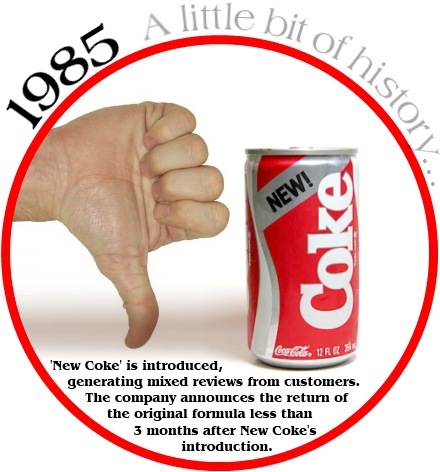
That’s why the reversal came so fast. On July 11, 1985, less than three months after the announcement, Coca-Cola brought back the original formula as Coca-Cola Classic. New Coke stayed around in later forms for a while, but the emotional battle was already over.
Was New Coke a Secret Marketing Stunt?
This theory never dies, because the comeback was so dramatic. Drop the classic formula, spark outrage, restore it, become the hero, cue the applause. It has perfect movie logic.
The paper trail points somewhere less glamorous. Coke was under pressure, trusted favorable research, and underestimated loyalty. As Vox’s history of the cola wars points out, the company also had to deal with bottlers and a huge distribution system, which made a radical change even messier once the public turned.
Could the return of Coca-Cola Classic have softened the damage and created a surge of goodwill? Sure. That happened after the fact. But there isn’t solid evidence that the whole fiasco was planned as a masterstroke from day one. Sometimes the true story is simpler: smart executives made a bad call, and the public corrected them in stereo.
New Coke is still one of the clearest 80s lessons in branding because it wasn’t only a taste failure. It was a failure to see that a beloved product lives in memory as much as in a recipe.
That’s why the stunt myth hangs around. The comeback looked too neat, too cinematic, too made for headlines. But the stronger explanation is right there in the timeline: new coke happened because Coca-Cola chased sip-test wins and forgot what people thought they were protecting.
In 1985, America didn’t only ask for its soda back. It asked for its story back.