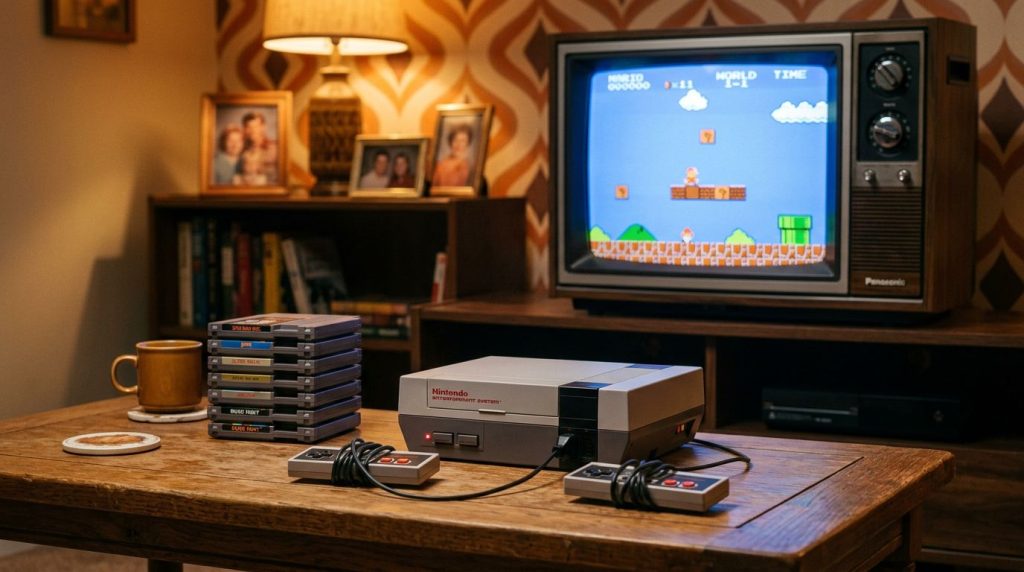
Some toys got circled in the catalog. The Nintendo Entertainment System got underlined, starred, and brought up at dinner three times a week.
If you were a kid in the mid-to-late 1980s, you didn’t want the NES in a casual way. You wanted it with full Christmas-morning intensity. The Nintendo Entertainment System wasn’t only a machine. It was a promise, a portal, a status symbol, and a ticket to worlds your regular living room had no business holding. We also had the fun of having a Nintendo Cereal System, too! A double dose of Nintendo game playing morning!
That’s why the begging got so dramatic, and why so many families eventually gave in.
Before Nintendo, Parents Had a Reason to Hesitate
By the time the NES reached American stores, video games had a trust problem. The 1983 crash had left retailers wary and parents skeptical. Plenty of adults saw game systems as expensive fads that burned bright, then vanished.
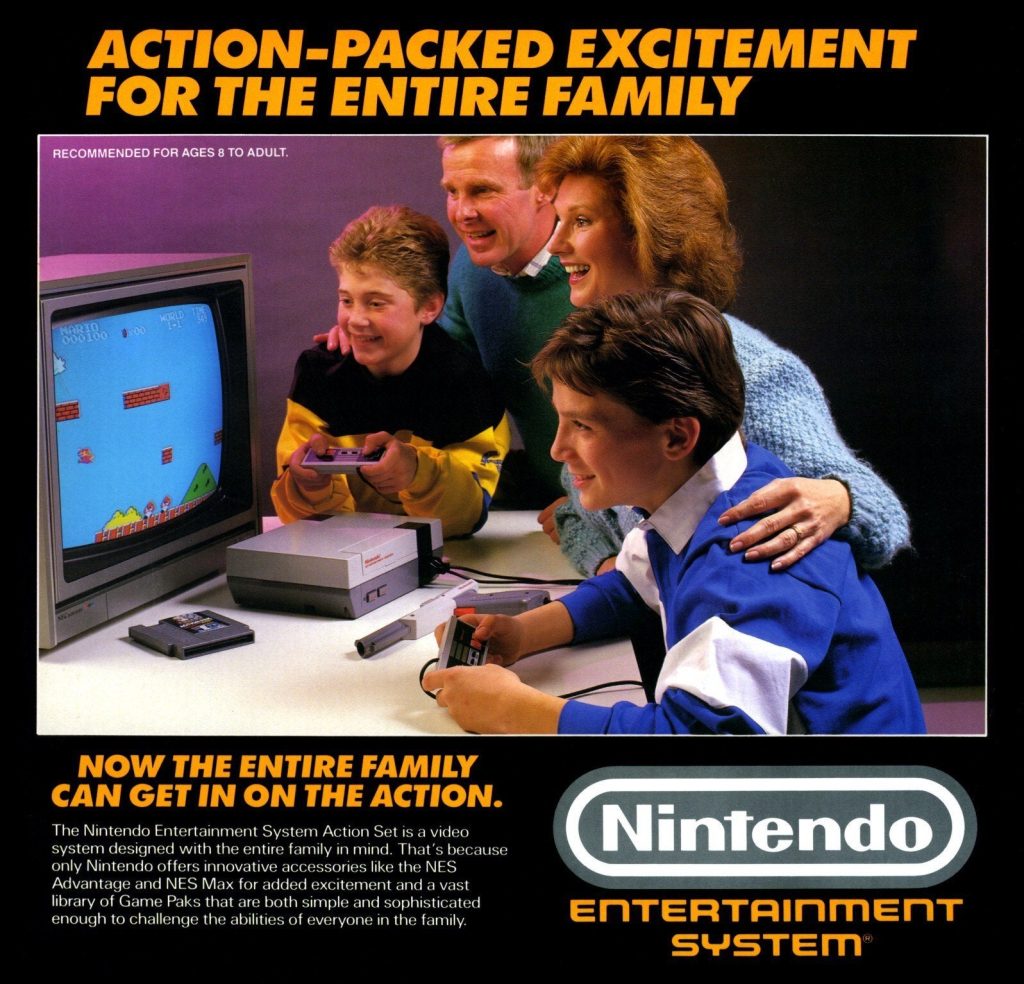
Nintendo knew it couldn’t stroll in and ask families to fall in love with another plastic box. So it changed the pitch. In Japan, the hardware had already found success as the Famicom. In the United States, Nintendo gave it a new name, a VCR-like shape, and a safer-sounding identity: not a toy console, but an “entertainment system.”
That wording mattered. So did the styling. The front-loading design looked tidy and familiar. R.O.B. the robot made the package feel futuristic. The Zapper added action. Everything about the launch said, “This isn’t the same old mess.” A few years later kids reached even harder for the future with the Nintendo Power Glove, a 1989 controller that flopped spectacularly.
The broad release story is easy to trace in the Nintendo Entertainment System overview. But the human story is better. Parents needed a reason to say yes. Kids needed a reason to keep asking.
Nintendo gave both sides something to work with. Adults saw a polished product in a box that looked respectable next to the VCR. Kids saw mystery, motion, and that slick gray controller with the red buttons. It felt modern. It felt legit. It felt like the future had learned how to sit quietly under the TV stand.
And once that first little red power light came on, hesitation didn’t last long.
Wish Lists, Window Displays, and the Holiday Fever Dream
The NES became the console kids begged for because Nintendo sold anticipation almost as well as it sold games.
This was the age of toy store aisles, glossy holiday circulars, and TV ads that turned bedrooms into command centers of desire. You didn’t scroll past the Nintendo Entertainment System. You stopped. You stared. You pictured the box under the tree, the wrapping paper flying, the family crowding around one television like history was happening in the den.
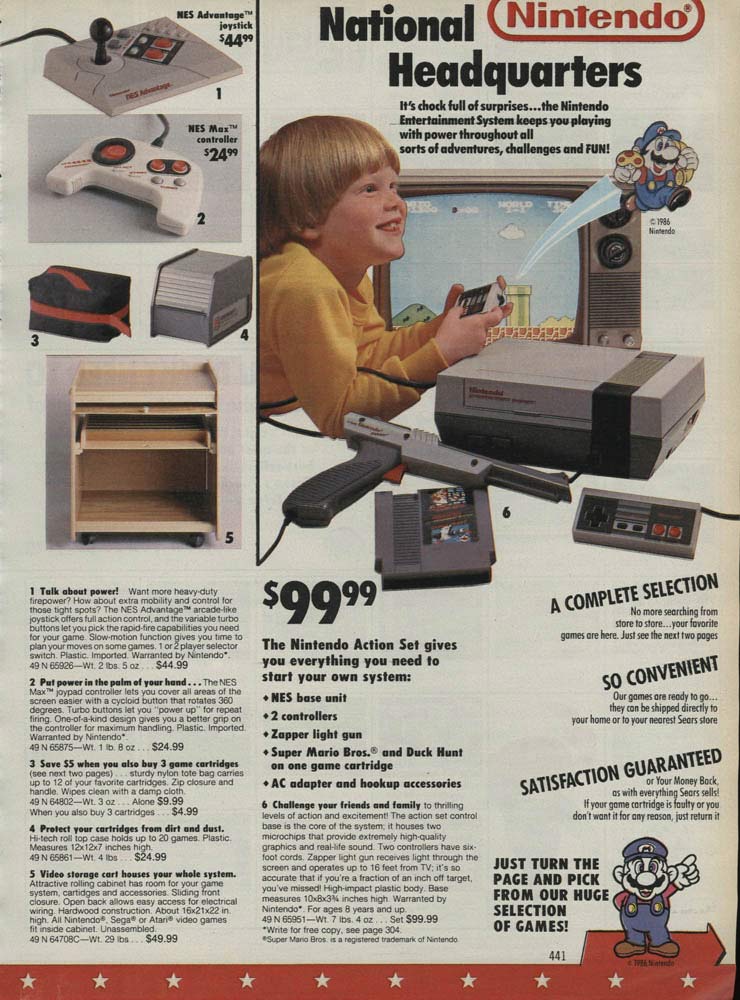
The packaging did heavy lifting. The Deluxe Set had the robot and the gadget appeal. The later Action Set was even more dangerous to any household budget because it looked complete. You got the console, the Zapper, and a cartridge with Super Mario Bros. and Duck Hunt. One box, instant fun.
The NES wasn’t just another gift. It was the gift that could hijack the whole morning.
That’s a big part of why kids lobbied so hard for it. It wasn’t abstract. They could already imagine the sound of Mario’s jump. They could already picture their uncle missing every duck and insisting the gun was off. The console arrived with scenes attached to it.
Even the waiting became part of the experience. You dropped hints. You circled ads. You placed the system at the top of your wish list in the neatest handwriting of your life. You casually mentioned it in front of grandparents. You became, for one magical season, your own tiny marketing department.
And in households that finally said yes, the NES rarely felt like a purchase. It felt like an event.
When Mario and Zelda Moved Into the Living Room
A great console needs a hook. The NES had characters.
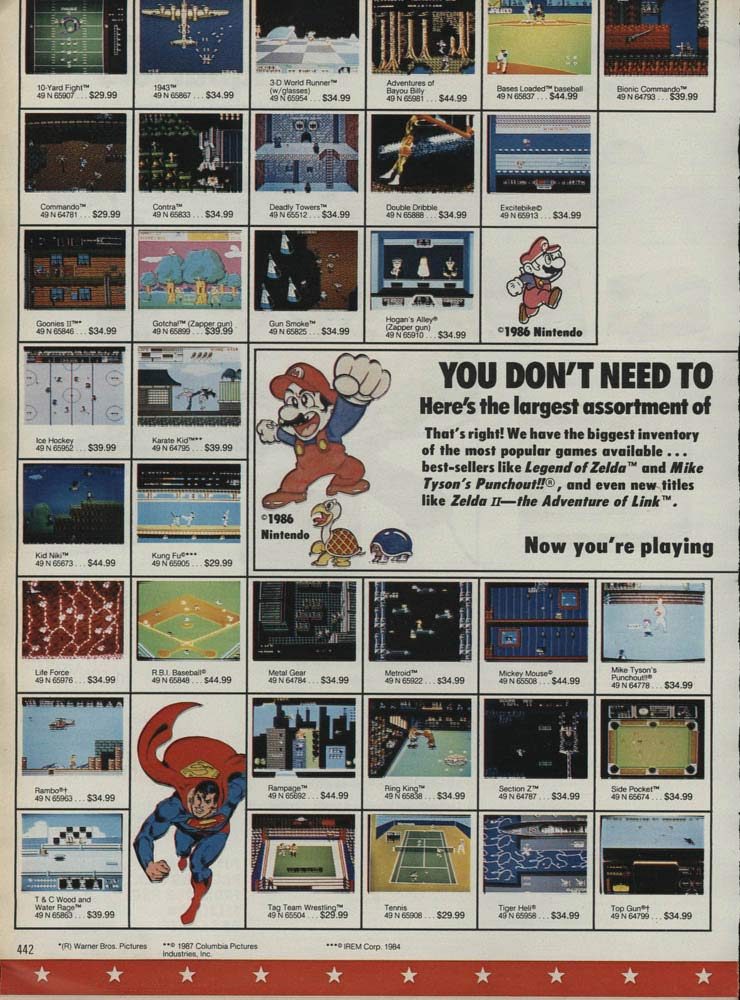
Mario was the first knockout punch for a lot of kids. Super Mario Bros. looked bright, strange, and alive in a way even the best 80s arcade games hadn’t managed at home. The side-scrolling alone felt like a magic trick. The world kept moving. Pipes led somewhere. Mushrooms changed the rules. Secrets waited behind ordinary-looking blocks. It wasn’t a score-chasing little burst of action. It was a place.
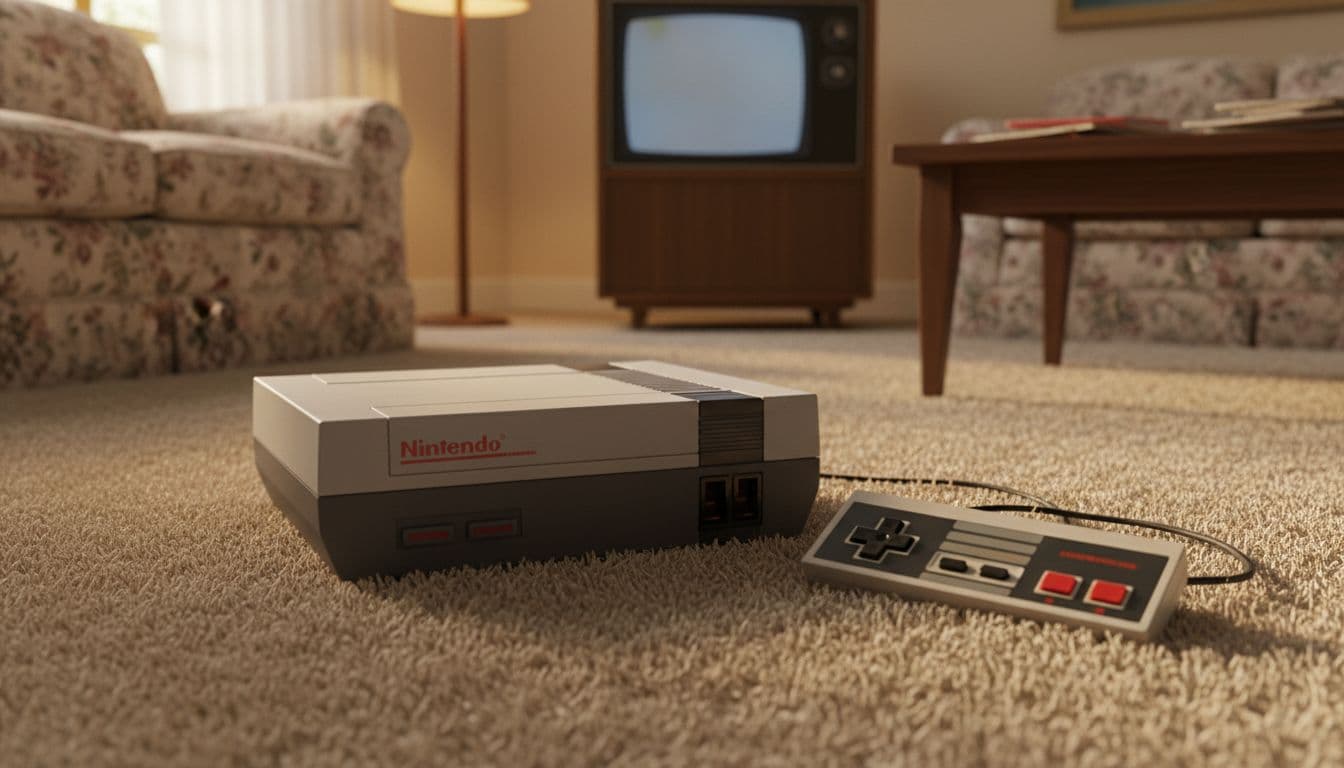
The look alone could launch a thousand holiday wish lists.
Then came The Legend of Zelda, and the emotional scale got even bigger. That gold cartridge had instant mythic energy. More important, the game let you save your progress. That changed the mood. You weren’t only playing for one sitting. You were returning to a world, collecting clues, drawing maps, and telling your friends about caves they hadn’t found yet.
This is where the Nintendo Entertainment System stopped being a cool gadget and became a memory machine. Kids didn’t only remember owning it. They remembered discovery. The first hidden warp zone. The first time they found a dungeon entrance. The first time they realized a home console could hold mystery, not only reflexes.
Mario gave the NES its smile. Zelda gave it its sense of wonder.
That combo was deadly in the best way. One game was immediate and joyful. The other felt secretive and huge. Together, they told families that this box could do more than kill an afternoon. It could build whole little obsessions, the good kind, the kind that sent kids running to the phone or across the street with news.
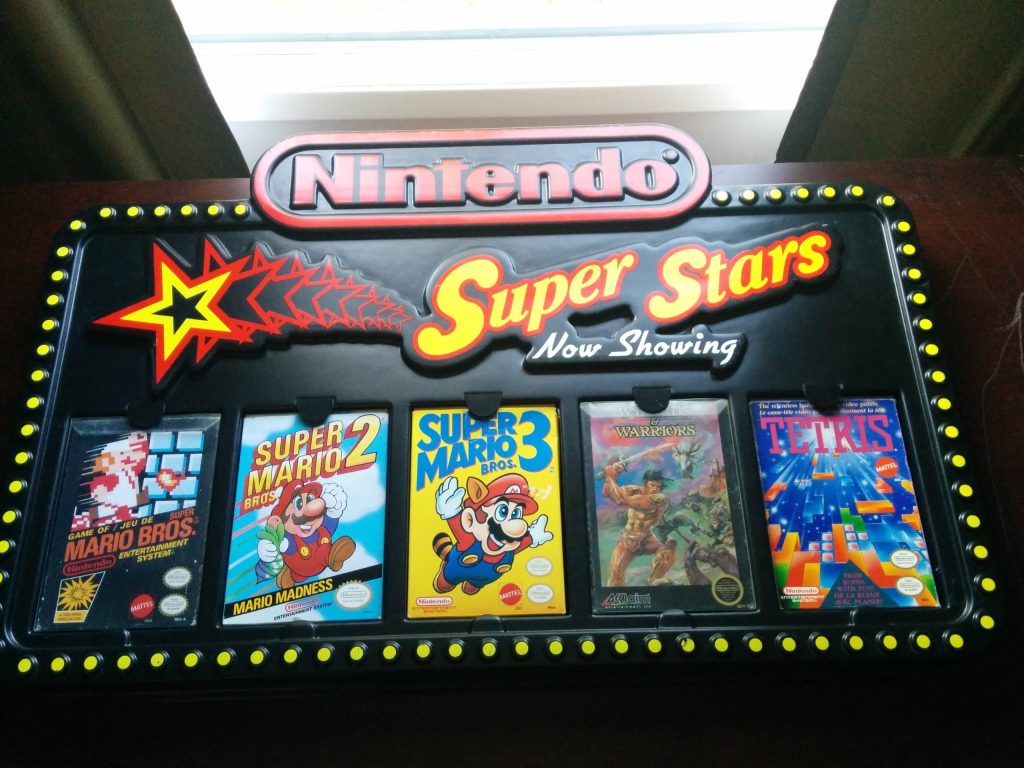
Rental Stores Made the NES Feel Endless
Owning the system was one thing. Feeding it was another. That’s where the rental store entered the story like a neighborhood saint.
For plenty of families, buying every game was out of the question. Renting changed everything. Suddenly, the Nintendo Entertainment System felt bottomless. On Friday night, you stood in front of a wall of plastic clamshells and cardboard boxes, staring at cover art like it held the meaning of life. Sometimes you chose well. Sometimes you went home with a dud. Either way, the weekend had a plot.
Rental culture made NES fandom bigger, louder, and more social. A kid with one or two cartridges could still sample a whole library over time. Sleepovers turned into mini game festivals. You learned which friend was weirdly great at Mike Tyson’s Punch-Out!! and which one could never make the jump in World 8. School on Monday became a strategy exchange, a rumor mill, and occasionally a courtroom.
“There’s a secret level.” “No there isn’t.” “My cousin found it.” “Your cousin lies.”
That was part of the fun.
The console also created a new kind of neighborhood currency. Not money, exactly. More like cartridge capital. Who had Metroid? Who had Mega Man 2? Who could lend Castlevania until Sunday? Kids swapped games, tips, hand-drawn maps, and completely suspect advice about how to make a frozen cartridge work again.
The NES fit perfectly into the rhythms of 1980s kid life because it wasn’t isolated. It traveled through birthday parties, after-school hangouts, weekend rentals, and basement sleepovers. It didn’t sit there like a silent appliance. It generated stories.
Why Families Didn’t Mind Letting It Take Over
For all the pleading done by kids, the NES lasted because adults found reasons to like it too.
Part of that was practical. The system lived in the family room, not off in some mysterious corner. Parents could watch. Siblings could take turns. Duck Hunt had instant cross-generational appeal because it was funny even when you were terrible at it. The controller was simple. The setup was simple enough, most of the time. The games felt bright rather than grim.
Nintendo also built trust after a market that had badly needed it. The company’s quality control, including the familiar Seal of Quality, told buyers that these cartridges were part of a curated world, not a bargain-bin free-for-all. That confidence helped the console stick.
Then the characters escaped the TV.
Mario became more than a sprite. Link became more than a fantasy hero on a box. The NES spilled into lunchboxes, cartoons, magazines, and playground chatter. If you want a quick snapshot of that wider reach, this look at the NES’s 80s pop culture revolution catches the feeling. The machine didn’t only sell games. It sold mascots, catchphrases, and a shared visual language for a generation.
That’s the real reason kids begged for it so hard. The Nintendo Entertainment System wasn’t off in its own little hobby corner. It was everywhere. In commercials. In conversations. In the rental rack. In the dreams of any kid staring at the ceiling the week before Christmas.
Owning one felt like joining the main storyline of the decade.
Some gifts fade into the background a few months later. The NES never did. It landed with the force of a wish granted, then stayed because the games, characters, and rituals around it kept growing.
Kids begged for the Nintendo Entertainment System because it offered more than play. It offered discovery, bragging rights, family time, rental-store drama, and those first unforgettable meetings with Mario and Zelda.
That little gray box still glows in memory because it made ordinary rooms feel extraordinary, and that is why so many 80s kids wanted it more than anything.