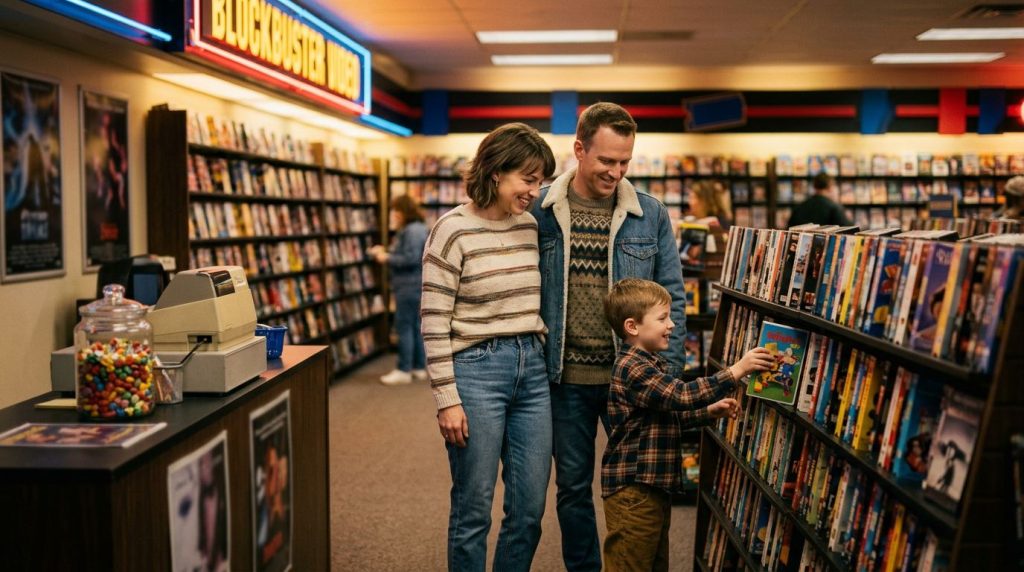
Remember the question that could rescue an ordinary Friday: “Want to go to Blockbuster?” Suddenly the whole night had a pulse. You weren’t only picking a movie. You were launching an event.
For a lot of families, Blockbuster Video turned staying home into something special. The drive, the aisles, the debate, the candy by the register, all of it mattered. To understand why people still miss it, you have to remember how movie night used to begin.
When Home Video Changed the Weekend
Once VCRs became common living-room gear, the weekend opened up in a new way. Movies no longer belonged only to theater schedules or network TV. You could bring one home, pop in a tape, dim the lights, and make your own little premiere.
That shift set the table for Blockbuster. According to Blockbuster’s retail history, the company started in Dallas in 1985 and grew fast as video rental culture exploded. It arrived at the perfect moment, when families wanted convenience but still liked the idea of going somewhere.
And that “somewhere” had a feel all its own.
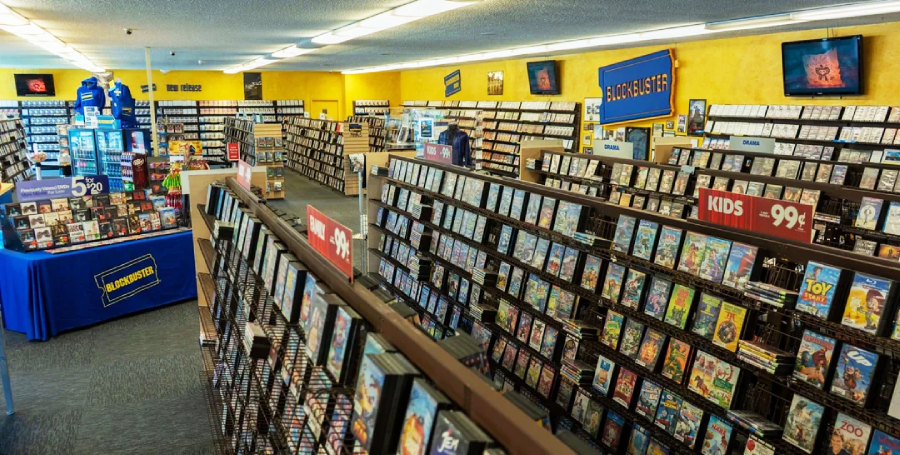
Plenty of neighborhoods had local video stores, and a lot of them were wonderful. But Blockbuster offered a version of movie night that felt familiar from town to town. Bright lights. Long shelves. Clear categories. That blue-and-yellow branding. Even before you reached the counter, the place told you the weekend had officially started.
It also fit the rhythm of family life. Dinner could be simple. Pajamas could wait. You could run out for one errand and come back with the night’s whole mood tucked under your arm. A comedy, an animated favorite, maybe a second tape if negotiations went well, that was enough.
What made the ritual stick was the mix of comfort and suspense. You knew the store. You knew the plan. But you didn’t know if the hot new release would still be there, or whether your brother would hijack the vote, or whether Mom would shut down the horror pick in under three seconds.
That small uncertainty was part of the fun. Friday night had stakes, but the friendly kind.
How Blockbuster Made Friday Night Feel Like an Occasion
A trip to Blockbuster had structure, almost like a tiny ceremony. Someone grabbed keys. Someone asked if there was time before dinner. Someone else shouted from the back seat that they were calling first pick. The ride over felt short, but it hummed with possibility.
Then came the parking lot moment. Automatic doors. Cool air. Fluorescent glow. The soft thud of VHS cases sliding back onto shelves. You could hear the place before you fully settled into it.
Friday night at Blockbuster felt bigger than the movie itself.
The first stop was often the new releases wall. That was the high-drama zone. If the boxes were lined up but the actual tapes were gone, the disappointment hit fast. You’d stare for a second anyway, as if one copy might magically reappear if you looked hard enough.
Parents usually had a system. Check the front. Scan for a backup plan. Keep the kids from wandering too far into scary cover art territory. Kids had a system too, and it was less subtle. Bolt for animation, fantasy, or comedy, then lobby hard.
This was the genius of the whole thing: everybody participated. One person held a strong opinion about sequels. Another wanted something “for all of us.” Somebody wanted to rent The Goonies for the tenth time because it was familiar and funny and quoted by heart. Nobody walked in without an agenda.
Even the boring parts weren’t boring. Waiting in line meant sneaking one more look at the impulse-buy candy. The register area smelled faintly like popcorn and carpet cleaner and plastic cases. You’d watch the clerk scan the box, slide the tape over, and hand the whole night back to you in one rectangular package.
Then it was back to the car, prize in hand, with the feeling that the evening had officially begun.
The Best Part Was Browsing the Aisles
If streaming is a search bar, Blockbuster was a stroll.
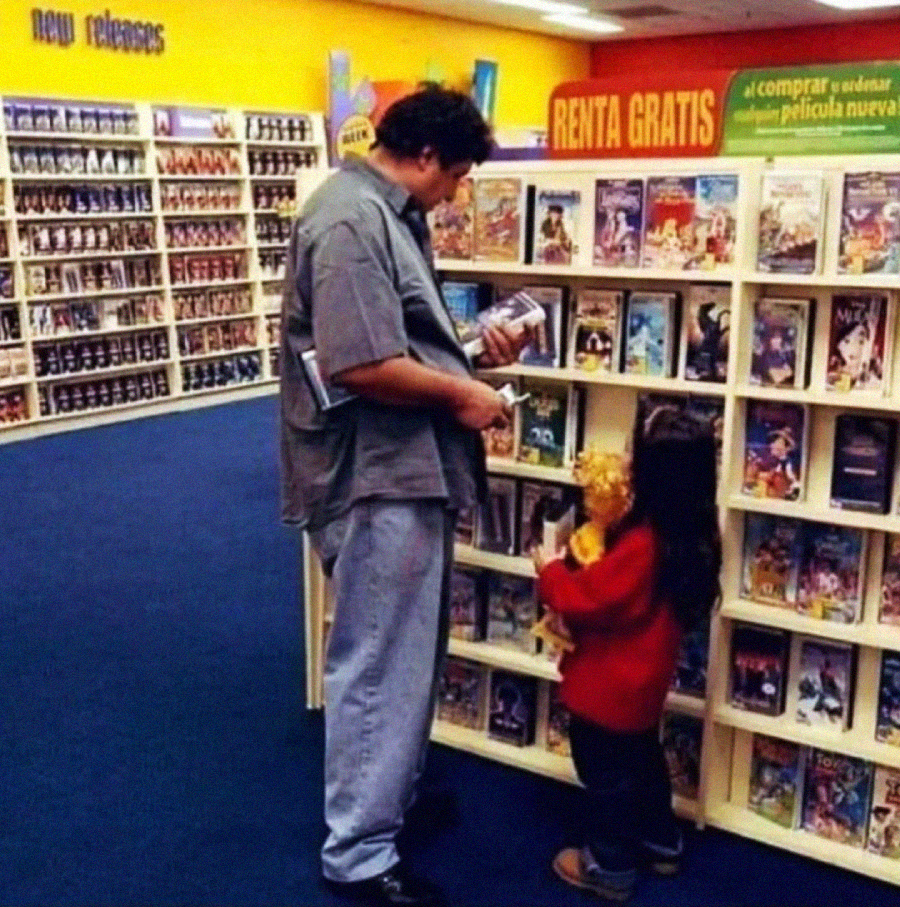
You didn’t arrive with perfect information. You wandered. You drifted into sections you hadn’t planned to visit. A goofy comedy sat next to a weird cover you couldn’t stop staring at. A thriller looked amazing because the box art promised far more than the movie ever delivered. That was part of the bargain, and honestly, part of the charm.

Photo by Harrison Haines
The shelves taught you how to choose with your eyes. Fonts mattered. Taglines mattered. Faces on the cover mattered. You could learn a whole lot from one dramatic collage of explosions, moonlight, and one guy holding a shotgun like he hadn’t slept in days.
Families turned that browsing into conversation. Maybe Dad floated an action movie. Maybe a younger sibling pushed for cartoons. Maybe you made a serious case for a teen classic because the cover alone felt like a promise. If your taste ran toward John Hughes territory, the pull of Molly Ringwald’s movie magic was hard to resist.
That wandering pleasure wasn’t unique to rental stores. It belonged to a broader 80s and 90s shopping mood, the same accidental discovery you got from 80s mall stores we miss, where half the fun was finding something you weren’t looking for.
Then there was the candy decision, a side quest with real emotional weight. One box of theater candy became three. Microwave popcorn joined the pile. Maybe a soda too, if the night felt extra festive. Little by little, the rental turned into a full package, cozy, sweet, and slightly excessive in the best possible way.
By the time you reached the register, the movie was only one part of it. The ritual had already done its work. Everyone had contributed. Everyone had argued. Everyone had bought in.
Why Streaming Is Easier, but Never Quite the Same
Streaming won on convenience. No keys. No car ride. No empty new-release slot mocking your hopes. No due dates, no rewinding, no last-second run to avoid a late fee. It made access faster, and that mattered.
But speed shaved off the buildup.
When you scroll alone on a couch, the choice can feel endless and weirdly flat. At Blockbuster, the limits were part of the magic. You had what was on the shelf, what the family would agree to, and what you could carry home that night. The decision felt bigger because it had edges.
The store itself gave the evening shape. There was movement, noise, lighting, and that subtle pressure to commit. You weren’t only consuming entertainment. You were making a plan together.
That’s why the fall of Blockbuster still lands as more than a business story. In this account of its rise and fall, you can trace how a giant chain lost ground as habits changed. Yet what people tend to remember isn’t quarterly strategy. It’s the ritual.
They remember kids carrying the tape case like treasure. They remember one parent saying, “Pick something everybody can watch.” They remember the couch filling up, the bowl of popcorn passing hand to hand, and the tape finally sliding into the VCR with a satisfying clunk.
Convenience gave us more content. It didn’t give us that exact feeling back.
That old Friday-night question worked because it promised more than a movie. It promised a little outing, a little debate, and a little family story before the opening credits even rolled.
What people miss about Blockbuster Video isn’t only the store. It’s the ritual around it, the build-up, the shared choice, the sense that staying home could still feel like going somewhere.
Streaming gives you the film in seconds. Blockbuster gave you the whole evening.