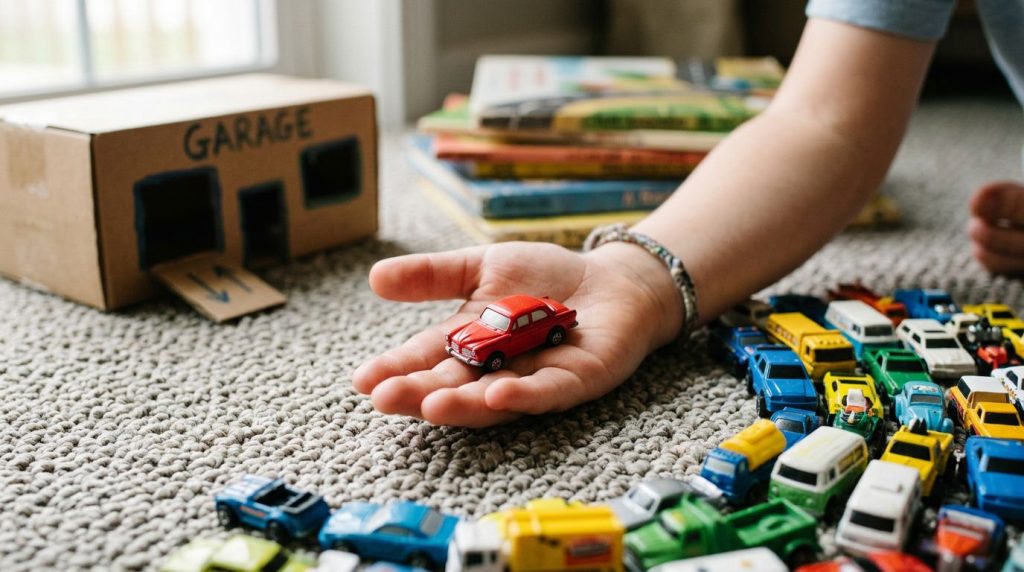
There was a moment when a whole fleet could fit in your palm, and that felt like magic. Micro Machines were tiny enough to lose in the couch, yet big enough in a kid’s mind to fill an entire afternoon.
If you were around in the late 1980s or 1990s, you probably remember seeing them everywhere: in backpacks, pencil cases, jacket pockets, and lined up on bedroom carpets like a miniature traffic jam. Their size was the hook, but it wasn’t the whole story. The fun started small and somehow kept getting bigger.
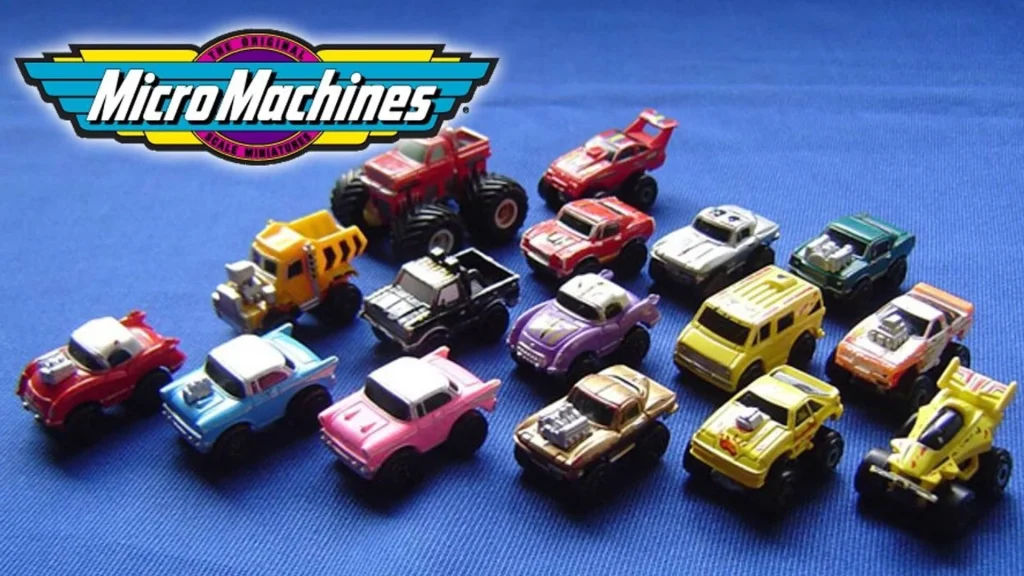
Small Cars, Big Adventures
Part of the appeal was obvious the second you picked one up. A Micro Machine felt like a secret. It was a car, a van, a tank, a fire truck, or a race car, only shrunk down to near-impossible size. You didn’t need a giant playset to make it work. A shoebox became a garage. A coffee table became a freeway. A stack of books turned into a mountain road.
That portability changed the rhythm of play. Larger toy cars usually stayed in the toy box or under the bed until it was “car time.” Micro Machines could come with you. One in a pocket became three. Three became ten. Before long, kids had tiny fleets ready for recess, road trips, and any dull stretch of waiting in the world.
A tiny car could turn dead time into playtime.
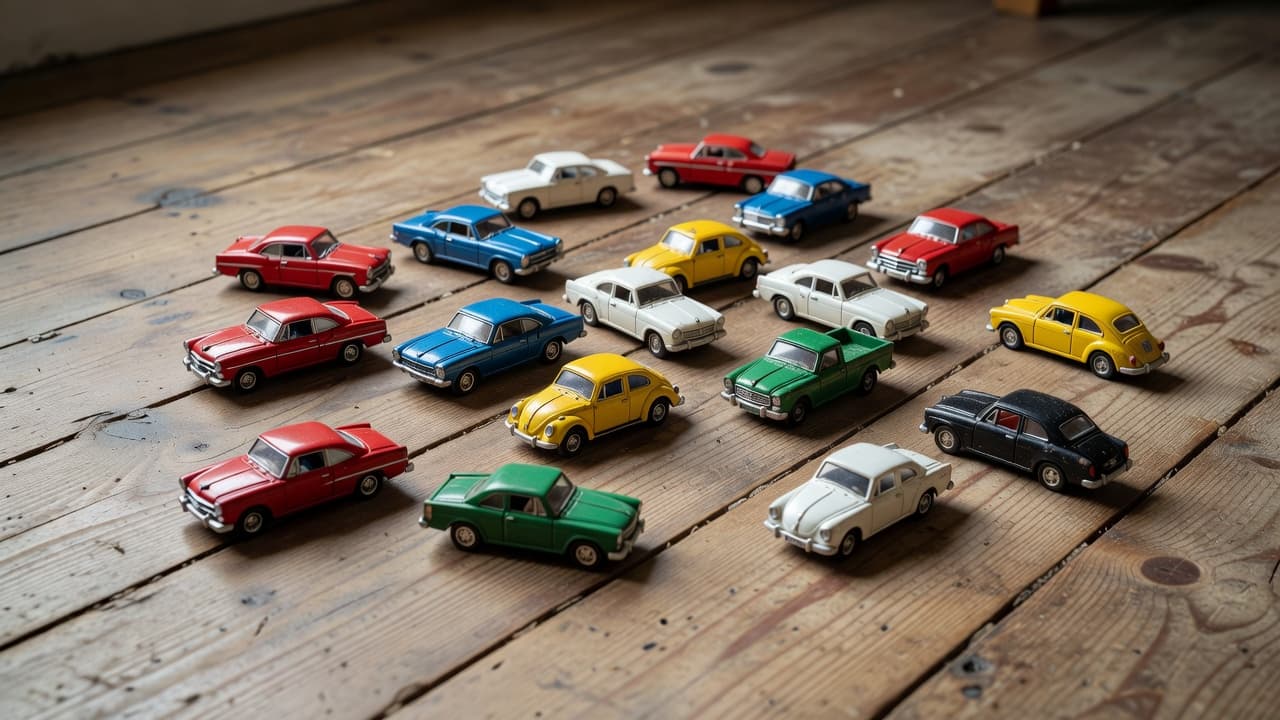
There was also something satisfying about how much detail got packed into something so small. These weren’t blobs on wheels. They had character. Even when the sculpting was simple, the shapes were distinct enough that you knew what each vehicle wanted to be. That mattered. Kids don’t need museum-grade realism, but they do need enough detail to spark a story.
And the story could go anywhere. A Micro Machine didn’t ask for rules. It invited scale tricks, made-up cities, rescue missions, races, pileups, and improbable jumps off the arm of the couch. For many fans, that freedom was the real engine.
Why Tiny Felt Different From Larger Die-Cast Cars
Micro Machines weren’t the only car toys in town. M.A.S.K. toys gave kids transforming vehicles with hidden weapons, while Hot Wheels and Matchbox already had their sturdy die-cast place. Those cars had a sturdier, heavier feel. They looked great on tracks, rolled well, and had that satisfying die-cast heft in your hand.
Micro Machines played a different game. They traded weight for range. Instead of feeling like a single prized car, they felt like a whole world you could build in pieces.
Here’s the quick comparison that kids felt, even if they never said it out loud:
| Toy style | What it felt like | Best kind of play |
|---|---|---|
| Larger die-cast cars | Solid, durable, display-worthy | Tracks, races, one-car-at-a-time action |
| Micro Machines | Light, portable, easy to collect | Fleets, cities, scenes, imaginative setups |
That difference mattered more than size alone. A larger die-cast car often asked you to focus on the car itself. A Micro Machine pushed you to think wider. What else was on the road? Where was the police car headed? Did the tiny tanker need an escort? Could the sports car jump the ruler bridge and still avoid the school bus?
The small scale also made big collections feel possible. Even kids with modest allowances could imagine assembling airports, military convoys, downtown streets, or whole traffic systems across the bedroom floor. A little car wasn’t only a little car. It was the start of a set, a scene, a private map only you understood.
If you want a quick background refresher, Wikipedia’s overview of Micro Machines covers the basics of the line and its long run through the 1990s.
The Collecting Fever Was Built In
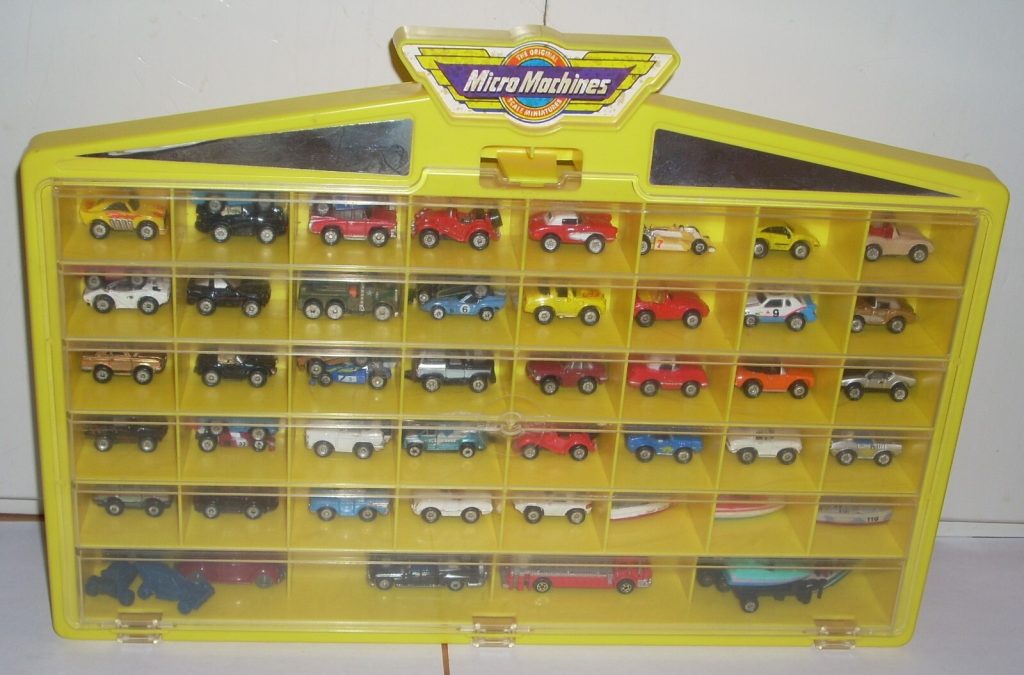
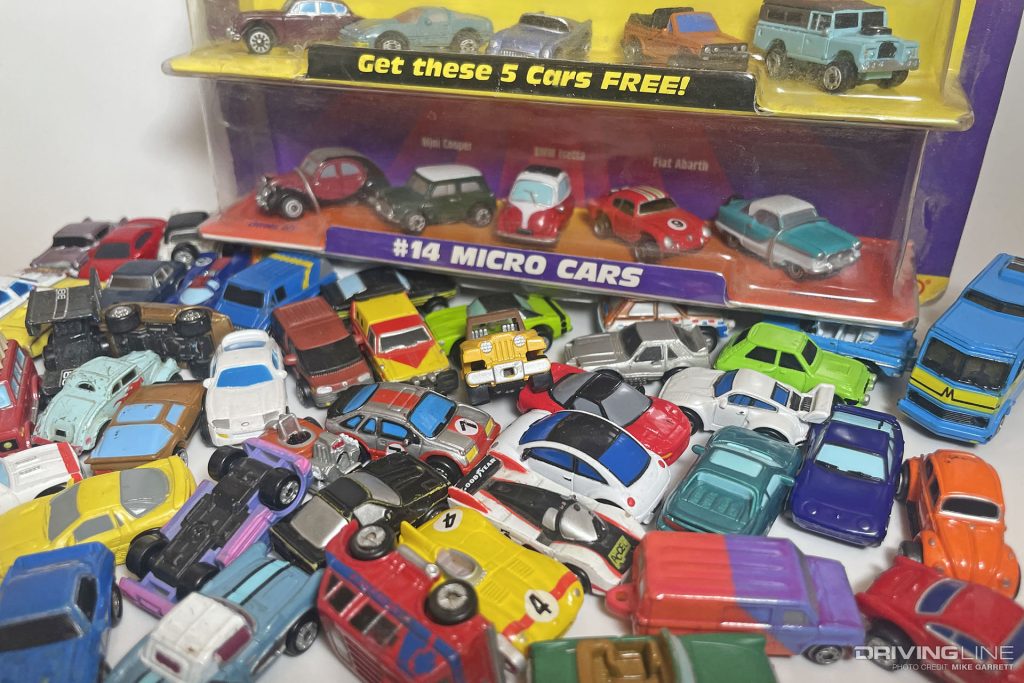
Micro Machines had one of the smartest hooks a toy line could have: they looked collectible before you even knew the word “collectible.” One car was fun. A handful felt better. A cluster of similar vehicles, all lined up by color or type, felt irresistible.
That urge came from variety. You could go broad and scoop up anything with wheels. Or you could get weirdly specific, which is exactly what kids love to do. Maybe you wanted emergency vehicles only. Maybe you were building a tiny city block. Maybe you cared about sports cars and nothing else. There was room for all of it.
Themed assortments gave the line its own treasure-map logic. If you liked one cluster, there was probably another set out there that matched it. That made every toy aisle glance feel like a possibility.
A few things kept the hunt alive:
- The small scale made even a decent-sized collection easy to store.
- Different vehicle types opened up new play patterns.
- Multi-packs made every new set feel like instant expansion.
- Trading with friends was simple because you could carry half your collection in one hand.
That last part mattered. These toys weren’t trapped at home. They circulated. They showed up on school desks, in coat pockets, and in the back seat on family trips. Kids compared them, swapped them, and argued over whose tiny fleet looked fastest.
Collecting never felt separate from playing. It was the same impulse wearing two hats. You gathered more because more vehicles meant more stories. How many toys could make you feel like a collector at eight years old?
Why a Bedroom Floor Became a Whole City
This might be the biggest reason Micro Machines stuck. They were props, but they were also world-builders. Because the cars were so small, the space around them felt huge. One pillow became a hill. The gap between couch cushions became a canyon. A cardboard box could be a warehouse district by lunch and a secret base by dinner.
Playsets existed, sure, but they weren’t required. That was the beauty of it. Kids could create scale out of almost anything already in the room. A ruler worked as a bridge. Masking tape turned into lanes. School books became parking garages. Suddenly the ordinary stuff in a house looked like infrastructure.
The variety of vehicles helped too. Micro Machines weren’t only sports cars. There were emergency vehicles, trucks, military machines, boats, planes, and other odd little additions that made a collection feel full and alive. You weren’t locked into one story. You could stage a race, then a rescue, then a traffic jam, then an airport emergency, all before dinner.
That kind of play had no finish line. It didn’t ask you to beat a level or follow a script. It let kids direct the whole movie. For a generation raised on bright plastic and big marketing, that freedom was hard to beat.
Galoob, Fast-Talking Ads, and Instant Recognition
Galoob knew exactly what it had: a toy small enough to surprise you, and fun enough to explain in one glance. Then the company wrapped that idea in commercials you couldn’t ignore. The ads came at you fast, loud, and packed with energy, which fit the toy perfectly.
If you remember those spots, you probably remember the breathless pace first. The famous fast-talking pitchman, John Moschitta Jr., rattled off the selling points at warp speed, and the whole thing felt like a dare. Can you even keep up with this? That was part of the fun. The commercials made the toys feel quick, busy, and slightly out of control, in the best way.
For kids, that mattered. A good toy ad doesn’t only show the product. It sells a mood. Micro Machines commercials sold motion. They sold abundance. They sold the idea that your room could turn into a tiny transportation empire by the end of the afternoon.
Galoob also hit the sweet spot between novelty and familiarity. Cars were already a safe bet. Kids understood them instantly. Shrink those cars down, multiply them, group them into themed sets, and now you had something that felt new without being confusing.
For more background on the brand’s rise and later return, Bitmap Books’ history of the line gives a solid overview. And if you want to hear that rapid-fire energy again, this video retrospective on Micro Machines brings back the pitch and the pop-culture context in a hurry.
The ads stuck because they matched the toy. Nothing felt oversized or fake. The selling point was right there in your hand: tiny cars, lots of them, ready to go.
The Legacy That Still Fits in Your Pocket
Years later, the appeal still makes perfect sense. Micro Machines were small, yes, but they never felt minor. They gave kids portability, collectibility, and imagination in one neat little package.
That’s why collectors still chase them and retro toy fans still grin when they spot a familiar set. Today they sit in display cases, tackle boxes, and nostalgia-fueled collections, still proving the same point. These cars didn’t need batteries, giant boxes, or complicated rules. They needed a flat surface, a little time, and a kid willing to think big.
That is probably the best reason they lasted. The cars were tiny. The play never was.