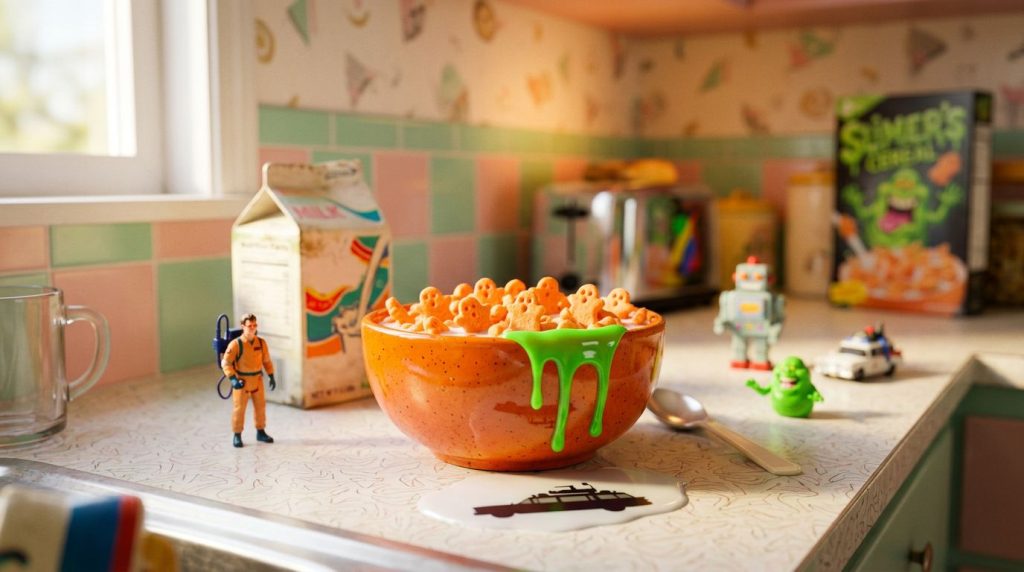
Some cereals promised a full stomach. Ghostbusters cereal promised a little chaos before school.
If you were a kid in the mid-80s, that mattered. Breakfast wasn’t only breakfast. It was part snack, part cartoon pre-show, part bragging rights when a box tied into the movie or series you already loved.
And that is why this one still sticks in memory, sticky fingers and all.
Why Ghostbusters cereal hit kids so fast
Ghostbusters was already catnip for kids. The movie had attitude, the logo was everywhere, and the whole idea felt deliciously kid-sized, spooky but not nightmare-level spooky. You got slime, sirens, gadgets, wisecracks, and ghosts that looked more mischievous than traumatic. Put that on a cereal box and the sale almost made itself.
Timing helped. According to Retroist’s history of the cereal, Ghostbusters cereal showed up around April 1986, right when the brand still had real heat. That was also the era when The Real Ghostbusters turned the movie into a steady Saturday morning habit. Kids didn’t have to wait for a sequel or a VHS rewatch. Ghostbusters was right there, every week, in cartoon form.
That connection matters more than it sounds. A cereal based on a one-off movie might have flashed and faded. A cereal tied to an active cartoon had a better shot because the characters kept living in your week. You watched them on TV, saw them in toy aisles, and then there they were again at the breakfast table. Same mood. Same colors. Same little jolt of “oh, this is mine.”
It also hit a sweet spot that 80s food branding loved. Scary enough to feel rebellious, friendly enough for parents to toss it into the cart. Nobody was asking for a bleak horror breakfast. Kids wanted the funhouse version. The rubber-mask version. The Halloween-in-June version.
That balance is a huge part of why Ghostbusters cereal stands out. It wasn’t creepy in a basement-at-midnight way. It was spooky in a sleepover, flashlight, plastic pumpkin way. Bright. Loud. Goofy. Perfect.
What made the bowl itself feel spooky and fun
The appeal didn’t stop at the box. The cereal in the bowl had to sell the fantasy too, and this one understood the assignment.
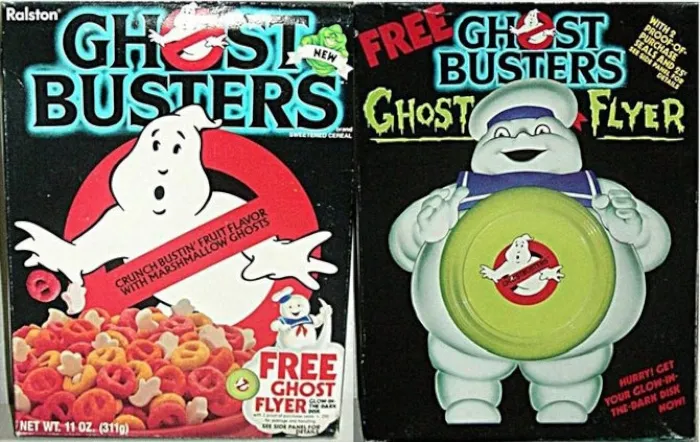
Old fan recollections of the cereal remember a mix of red, orange, and yellow cereal puffs, plus little ghost-shaped marshmallows. That color palette did a lot of heavy lifting. It didn’t look natural, and that was the point. It looked like breakfast wandered through a cartoon haunted house and came back with a grin.
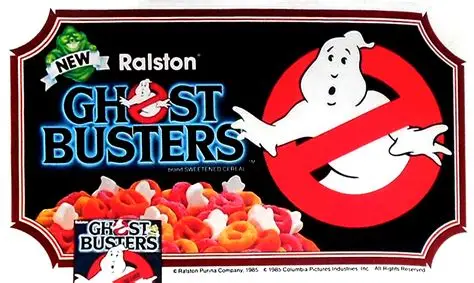
The marshmallows were the hook. Kids always noticed marshmallows first, because marshmallows turned cereal into an event. Ghost-shaped bits made it even better. Suddenly you weren’t eating generic sugar cereal. You were eating the theme. That difference matters when you’re eight years old and half your brain is powered by imagination.
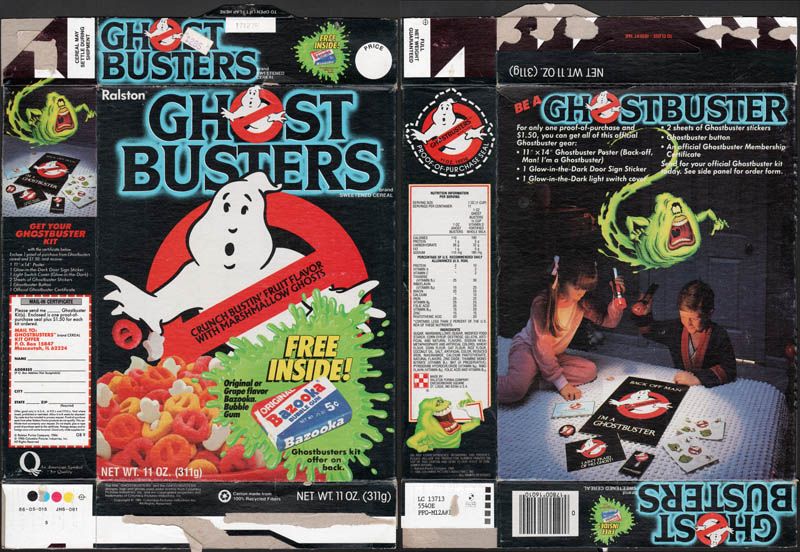
The box art played the same game. It used familiar Ghostbusters branding, bold colors, and character energy that made it look active before you even opened it. 80s cereal packaging rarely whispered. It shouted from the shelf. This one had a built-in advantage because the brand already came with attitude, motion, and a little comic-book weirdness.
And then there was the simple physical fun of it. A plain flake cereal disappears into the routine. Ghost-shaped marshmallows invite inspection. You picked around for them. You compared colors. You ate the good bits first if you were impatient, or saved them for last if you were strategic. Breakfast became a tiny game, and kids love any food that feels like play without asking permission.
That was the magic trick. Ghostbusters cereal looked like a product, but it behaved like a toy for ten minutes.
The Real Ghostbusters era made breakfast part of the adventure
By the time The Real Ghostbusters landed, the property had shifted from blockbuster hit to full kid-world presence. It wasn’t only a movie anymore. It was a cartoon universe with recurring characters, catchphrases, merch, and a mood kids could revisit every week. That made the cereal feel less like a novelty and more like one more piece of the set.
You can feel the difference when you compare it to a random licensed cereal with no real afterlife. Those could be fun, sure, but they often felt like a one-season fling. Ghostbusters had staying power because the animated series gave it an ongoing lane in kid culture. The cereal fit right into that lane. It arrived when kids still wanted more Slimer, more ghost traps, more ecto-everything.
This is also why the “spooky” angle worked so well. The cartoon softened the rougher edges of the movie and amplified the playful ones. Slimer wasn’t a horror figure to most kids. He was gross, funny, a little chaotic, and weirdly lovable. That’s perfect cereal energy. The whole brand became less about fear and more about high-spirited mess.
Breakfast, in that setup, became part of the viewing ritual. Maybe the TV was on. Maybe your bowl was balanced on your knees. Maybe you were reading the box while waiting for a sibling to move over on the couch. That scene is so 80s it practically has wood paneling.
In the 80s, a cereal box wasn’t extra marketing. It was part of the show.
That idea explains so much. Licensed cereals worked because they carried the feeling of a favorite property into an ordinary moment. Ghostbusters cereal didn’t need to be gourmet. It needed to make a Tuesday morning feel a little haunted, a little louder, and a lot more fun.
Why licensed cereals became such a big part of 1980s kid culture
The 80s cereal aisle was a pop culture parade. Cartoons, movies, mascots, monsters, athletes, all of them wanted a spot near the milk. For kids, that aisle felt less like grocery shopping and more like browsing your own interests in bright cardboard form.
Ghostbusters cereal fit that culture perfectly because licensed cereals weren’t only about taste. They were about identity. The box you wanted said something about what you watched, what you quoted, what you begged your parents to rent, and which toys covered your bedroom floor. In a small but real way, cereal let kids wear their fandom before school without wearing a T-shirt.
Commercials pushed that idea hard. Watch the 1986 cereal commercial and you can see the formula in action: fast pace, big reactions, and the promise that an ordinary breakfast could feel like action-packed fun. That was the language of 80s kids advertising. Energy first. Restraint never.
Parents, of course, saw something else. A recognizable brand could make mornings easier. If a licensed cereal got a kid to the table with less argument, that had value. And because the branding was familiar, it felt less like a strange gamble and more like bringing home a piece of the entertainment already living in the house.
What lingers now is not some claim that Ghostbusters cereal was the best cereal ever made. That’s not the point. The point is that it captured a style of 80s childhood that feels instantly recognizable. The cereal was colorful, a little silly, a little spooky, and plugged into a world kids already adored. It turned the kitchen table into one more stop on the franchise map.
That is why people still remember it. Not because it solved breakfast. Because it made breakfast fun to talk about.
Why It Still Haunts Memory
Ghostbusters cereal lasted in memory because it understood the assignment. Kids didn’t want plain fuel in a bowl. They wanted something that looked like Saturday morning, tasted like sugar-coated mischief, and carried a little bit of their favorite ghost-chasing world into the day.
Its spooky charm was never about fear. It was about color, character, and the thrill of seeing a beloved brand show up somewhere unexpected, right between the milk and the spoon.
That is the whole 80s cereal story in miniature. Ghostbusters cereal wasn’t only food. It was a tiny pop culture event, served before homeroom.