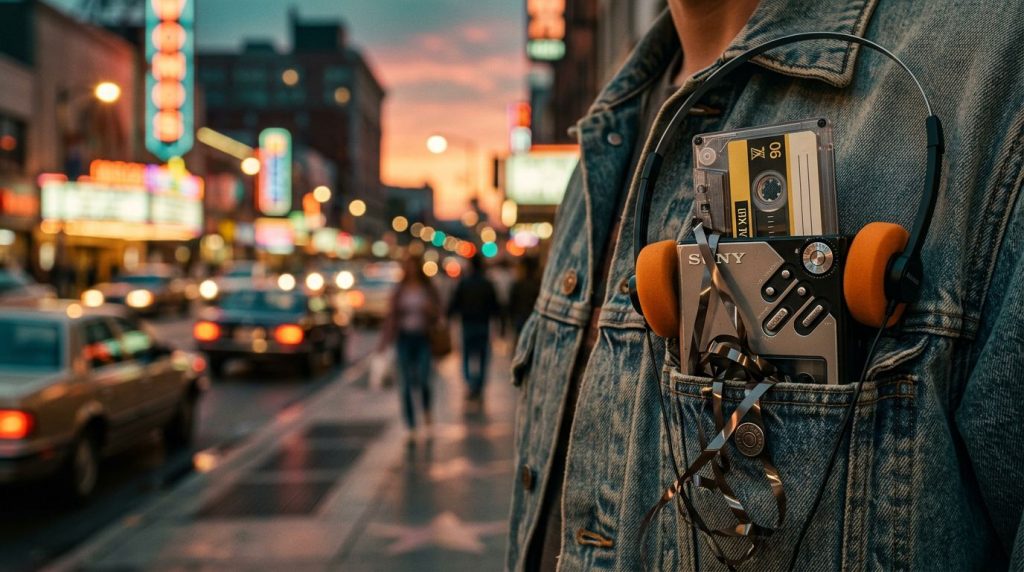
You didn’t just own a Sony Walkman. You carried your whole mood around with you.
Before phones turned every pocket into a jukebox, that little cassette player felt like freedom with foam headphones attached. A bus ride, a bike path, a walk home from school, suddenly all of it had a soundtrack. And if you loved a tape enough, you loved it right into the ground.
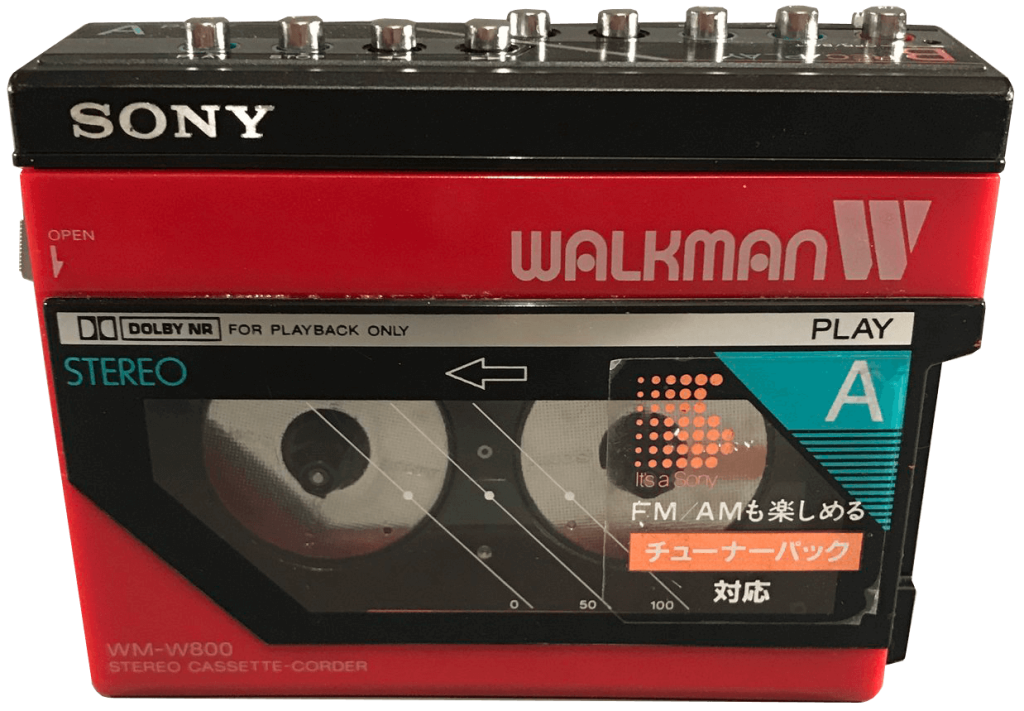
When the Sony Walkman Made Music Feel Personal
The big shift wasn’t only portability. It was privacy.
For the first time, music could be yours in a new way, tucked between your ears while the rest of the world kept doing its thing. Parents heard the washing machine. Teachers heard hallway noise. You heard synths, guitar squeals, drum machines, heartbreak ballads, and the faint hiss that lived at the start of every cassette. That hiss was part of the deal. It was the curtain going up.
With a Sony Walkman clipped to your belt, jammed in a jacket pocket, or bouncing around in a backpack, ordinary time got promoted. A dull car ride became a music video in your head. The walk to school felt cinematic. Even waiting in line at the mall had a pulse.
According to Walkman’s history and cultural impact, the device helped turn private listening into a huge part of everyday life. That sounds obvious now. Back then, it felt almost sneaky, like you had your own secret radio station.
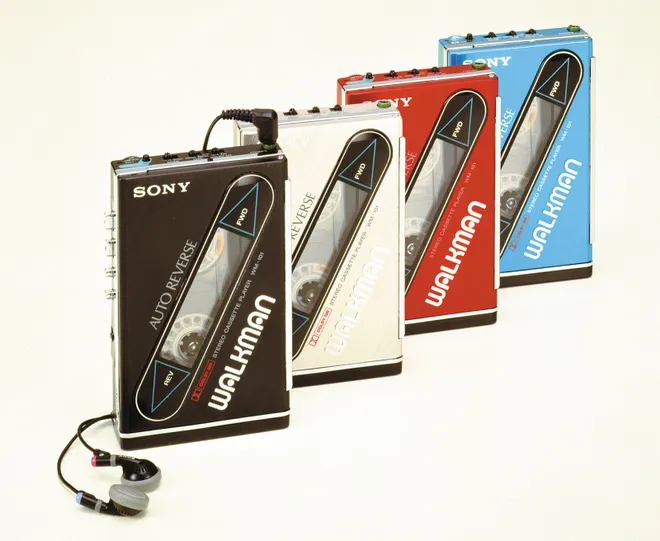
And the details mattered. The snap of the cassette door. The click of “play.” The orange battery meter, if your model had one. The soft pressure of those flimsy headphones that never sounded amazing but somehow felt perfect anyway. A lot of kids learned their habits from the machine itself. You didn’t graze through a thousand choices. You picked a tape. You committed.
That commitment is why the memories stick.
You remember which cassette lived in the player the longest. You remember which one you wouldn’t lend out. You remember the one that stayed in there so often the label got rubbed pale. The Walkman didn’t make music better on paper. It made music feel closer, more private, more yours.
Mixtapes, Spare Batteries, and the Daily Walkman Kit
A Walkman rarely traveled alone.
It had companions: two AA batteries in a pocket, a cracked plastic tape case, one store-bought album, and one homemade mixtape with a handwritten label. Maybe the label was neat. Maybe it looked like it was written on a school bus with a dying pen. Either way, that tape mattered.
Making a mixtape was half patience, half nerve. You sat near the stereo with a blank cassette ready, fingers hovering over “record” and “pause,” waiting for the radio DJ to stop talking. Sometimes you nailed the opening note. Sometimes the song started with three words missing and a burst of static. That wasn’t failure. That was proof you made it yourself.
The best tapes had personality. Side A might be all energy, pop hits, dance tracks, bright new wave stuff that made your sneakers feel faster. Side B got moodier. Slow jams. Power ballads. That one soundtrack cut you couldn’t stop replaying. If you were into metal, maybe one side was all big choruses and shredded guitar. If you leaned toward hip-hop or freestyle, maybe the tape felt like a street corner, a dance floor, and a bedroom wall covered in posters at the same time.
A mixtape could flirt for you, brag for you, confess for you. It said, “Here’s who I am,” without forcing you to say it out loud.
Then there were the batteries. Every Walkman kid knew the warning signs of trouble. The beat got sluggish. Voices started to wobble. Your favorite singer suddenly sounded carsick. Time to dig through a bag, a drawer, or the kitchen junk basket for fresh AAs.
No batteries, no soundtrack. Simple as that.
And still, it was worth hauling the whole kit around. Music wasn’t floating in the air, ready on demand. You had to prepare for it. That made listening feel earned.
Why Cassette Tapes Wore Out So Easily
Here’s the heartbreaking part: cassette tapes were built for love, but not for mercy.
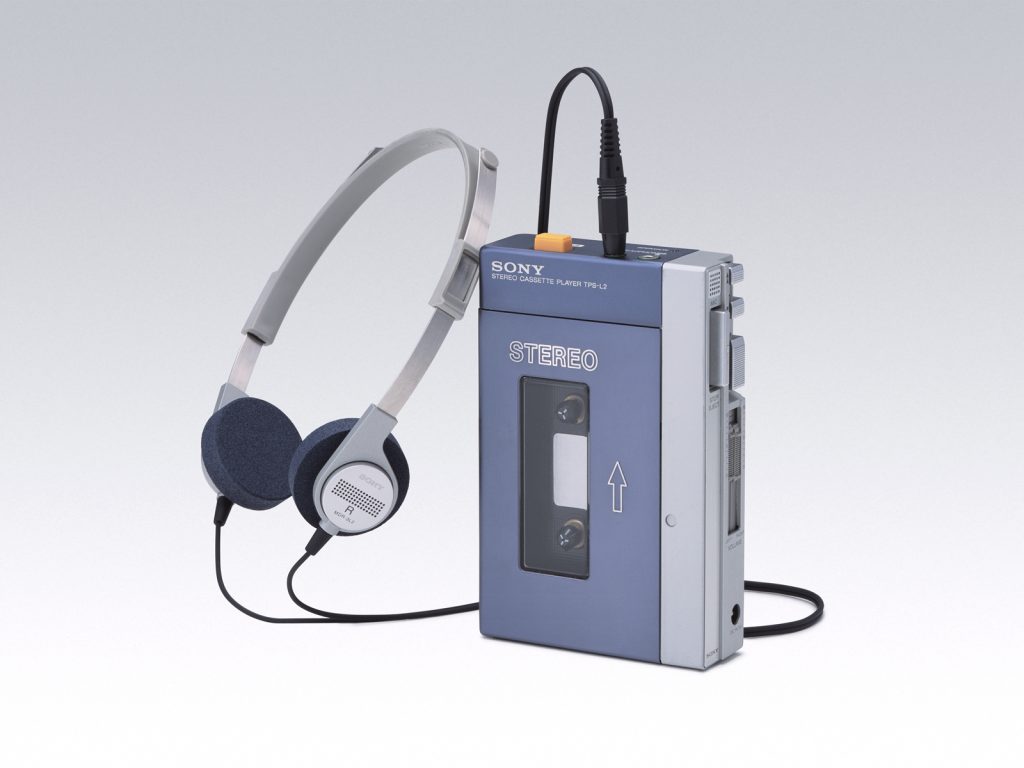
Inside that plastic shell was a thin strip of magnetic tape. Every time you hit play, rewind, or fast-forward, that strip moved past rollers and heads inside the player. Do that enough times, and wear was coming. The tape could stretch. The magnetic coating could shed. Sound got duller. High notes softened. One channel might fade. The sections you replayed most often, usually the hit single or your favorite ballad, could start sounding rough before the rest.

Photo by Ruben Boekeloo
Heat made things worse. Leave a cassette in a hot car, on a sunny windowsill, or stuffed against the wrong thing in a backpack, and the shell could warp. Pressure pads wore down. Tape got slack. Cheap players with tired parts could grab the ribbon like a hungry dog and spit it back out in a wrinkled mess.
This was the usual cassette chaos:
| Problem | What caused it | What kids did |
|---|---|---|
| Muffled sound | Repeated plays, tape wear, dirty heads | Kept playing it, or cleaned the player and hoped |
| Warbly pitch | Weak batteries, stretched tape, heat | Swapped batteries and rewound the tape tight |
| Chewed tape | Misaligned mechanism or worn rollers | Pulled it out gently, smoothed it, used tape or a pencil |
| Tangled slack | Rough handling or bad rewind | Turned the reels by hand with a pencil |
The pencil trick deserves its own little trophy. If a cassette loosened up, you stuck a pencil in the reel and wound it back by hand. Slow, careful, weirdly satisfying. It felt like roadside repair for music.
The tape that sounded the worst was often the one you loved the most.
That’s the part people remember. Tapes didn’t wear out because they were ignored. They wore out because they were chosen, over and over, until the machine and the music both carried the marks.
The Albums We Played Into Oblivion
Every cassette era kid had at least one tape that never got a day off.
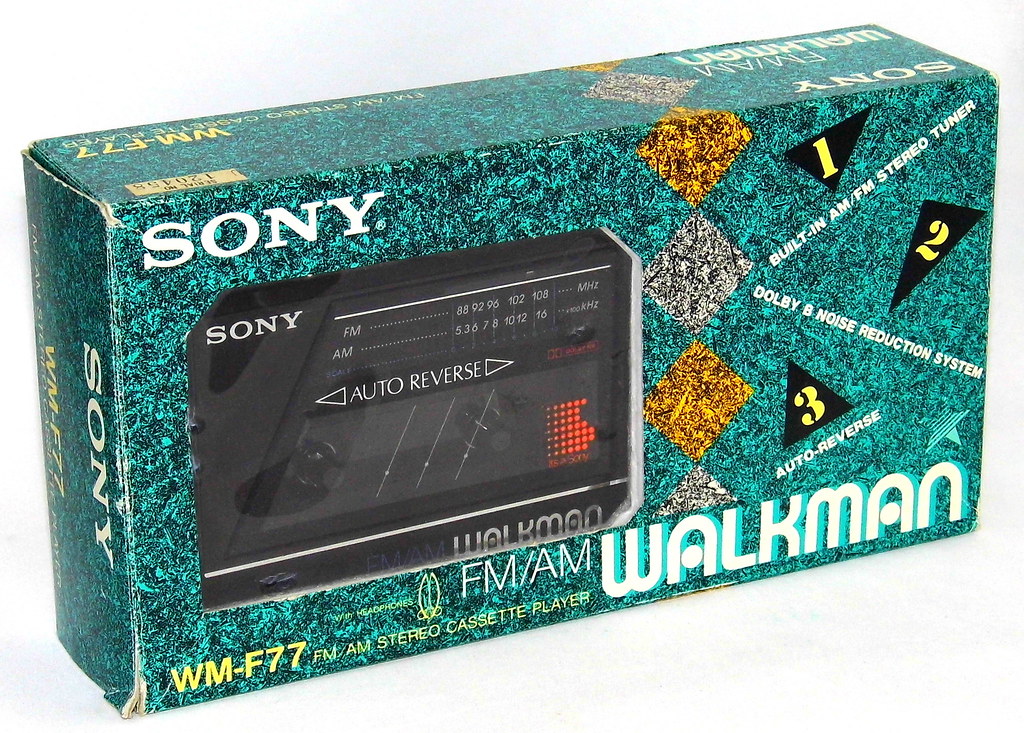
Maybe it was a blockbuster pop album. Maybe it was a movie soundtrack that turned your bedroom into a stage. Maybe it was a dubbed copy of a cousin’s rap cassette, a new wave favorite from an older sibling, or a hair metal album with a cover your parents didn’t love. The exact title changed from kid to kid. The habit was the same: play, rewind, replay, flip, repeat.
You learned the architecture of an album in a way streaming rarely asks of you. You knew where Side A ended. You knew the tiny pause before the next song. You knew which tracks were secretly great, not only the radio single. And because skipping around wasn’t effortless, filler tracks had a fighting chance. Some of them became favorites by accident.
That’s part of what made the Walkman era so sticky in the memory. Listening had friction. Not bad friction, human friction. You handled the object. You labeled it. You fixed it. You noticed when it aged.
There was also a social layer that felt big. Friends swapped tapes in hallways. Siblings borrowed without asking. Someone always had a copy with a cracked case and a story attached. People still light up over those memories, which you can see in a vintage Walkman memory post where the comments turn into a fast parade of “I had one” and “I remember that.”
And then there were the small scenes you never forget. Sitting cross-legged on the floor, lyric sheet open. Hitting stop before the tape reached the leader. Flipping the cassette at the exact second a side ended. Holding the player still because a sudden jolt might mangle everything. Real life, sure, but with a tiny private soundtrack humming inside it.
That wasn’t polished. It was better. It was personal.
Why Those Worn-Out Tapes Still Matter
The Sony Walkman mattered because it made music portable, but the worn-out cassettes tell the sweeter story. They show what got replayed, rewound, carried around, and loved hard enough to fray.
A perfect digital file doesn’t keep fingerprints, stretched ribbon, or a scribbled track list. A battered cassette does. That’s why those old tapes still hit so hard. They aren’t only music. They’re evidence.