If you grew up in the early 80s, you probably remember a Rubik’s Cube sitting somewhere in your room, half-solved and impossible to ignore. It wasn’t tucked away like an old board game. It stayed out, beside your cassette tapes, schoolbooks, and lamp.
That was the spark of the Rubik’s Cube craze. It turned a brain teaser into bedroom decor, playground currency, and a tiny badge of cool. To get why it felt so huge, you have to picture the whole room.
Why the Cube Lived on Every 80s Bedroom Surface
The cube fit the 80s look perfectly. Those six bright colors popped against wood-grain furniture, neon posters, and busy bedsheets. Even scrambled, it looked interesting. Solved, it looked like a trophy.
That is why it rarely stayed in a toy box. It lived on the desk, on the dresser, next to a stack of magazines, under a boombox, or balanced on top of a Trapper Keeper. One cube often became several. Kids wanted a fresh one, a smoother one, or one they swore they would solve this time.
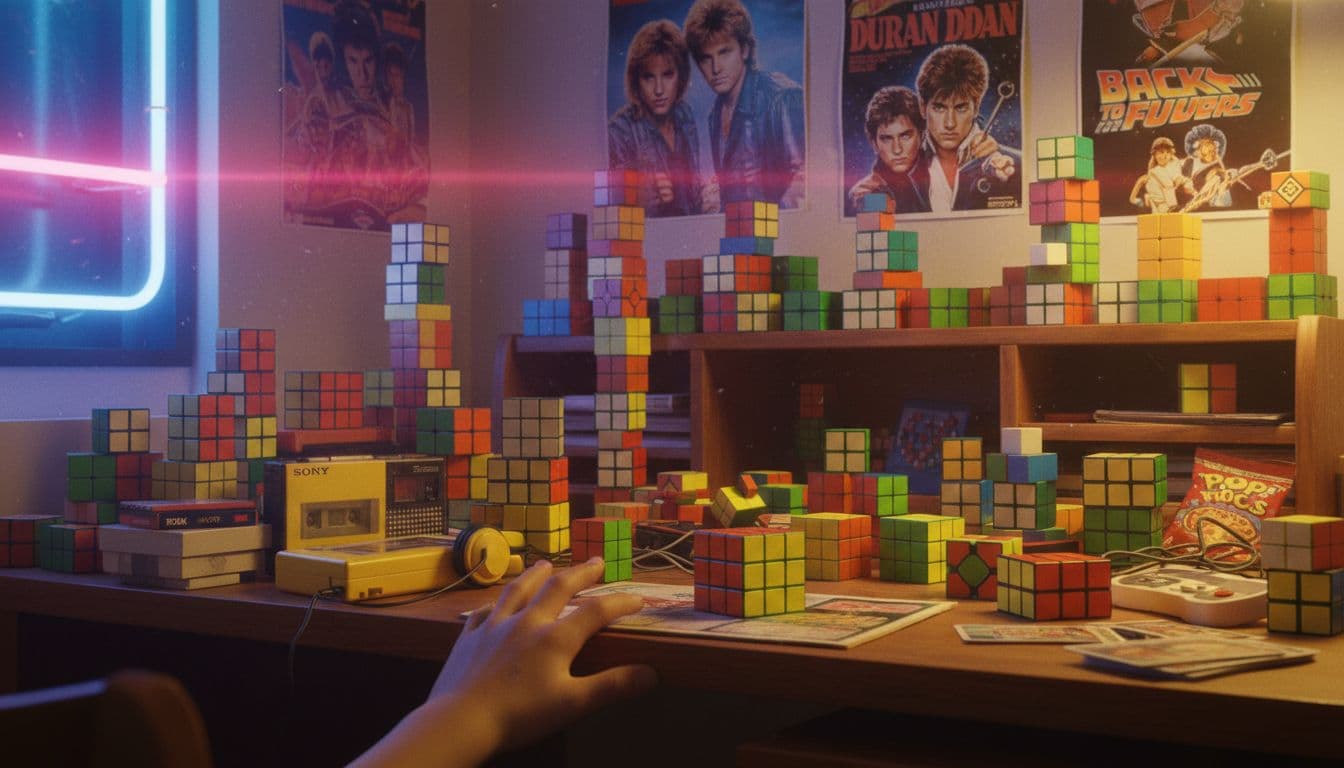
Bedrooms started to collect cubes the way they collected everything else in the decade, action figures, handheld games, sticker albums, and model kits. A wrinkled instruction sheet might be nearby. So might a solution booklet borrowed from a friend and never returned. The cube added clutter, but it was the kind of clutter that made a room feel alive.
Then there was the ritual. Twist, turn, pause, sigh, twist again. You could hear that dry plastic click late at night, right along with the soft hiss of a tape deck. It was a private obsession, but it never felt lonely because everybody else seemed to be fighting the same little cube.
For a lot of kids, the cube wasn’t even about finishing it. It was about living with it. It sat there like a challenge, a dare, a tiny square reminder that your bedroom had become the headquarters of a worldwide fad.
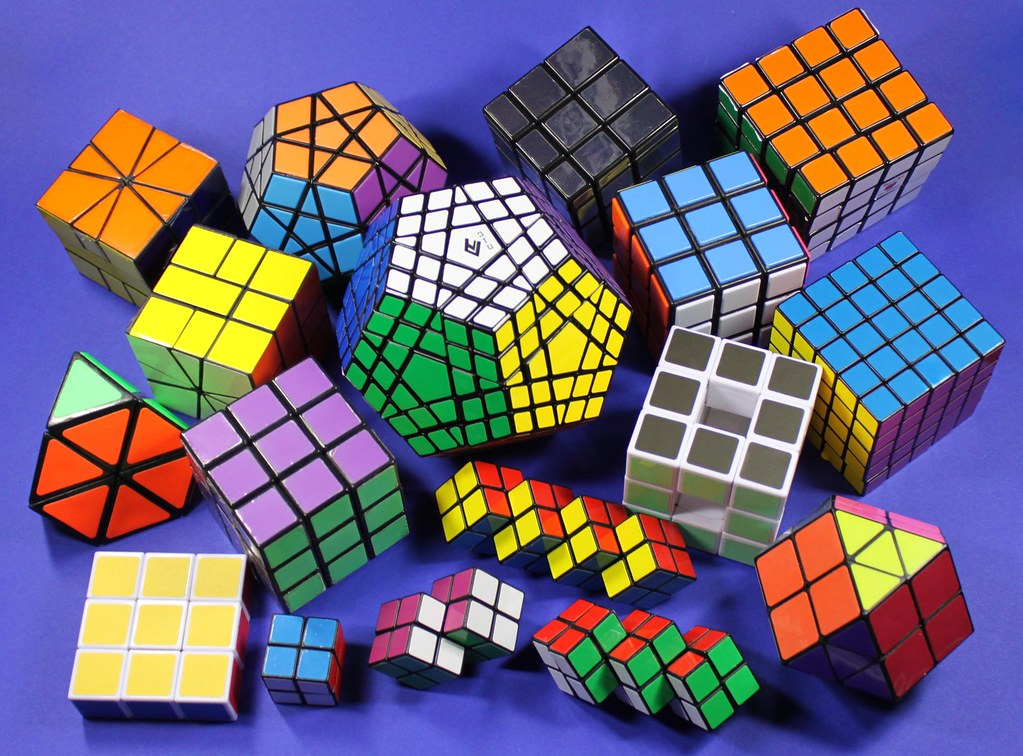
The Brainy Toy That Also Looked Cool
Part of the Rubik’s Cube craze came from what it said about you. This wasn’t just a toy. It hinted that you were sharp, patient, maybe a little mysterious. If you could solve it at school, people noticed.
Even carrying one mattered. A cube in your hand, on your nightstand, or perched beside your phone looked smart and modern. It matched the decade’s love of bold shapes and loud color. Next to posters of Duran Duran or The Breakfast Club, it felt weirdly at home.
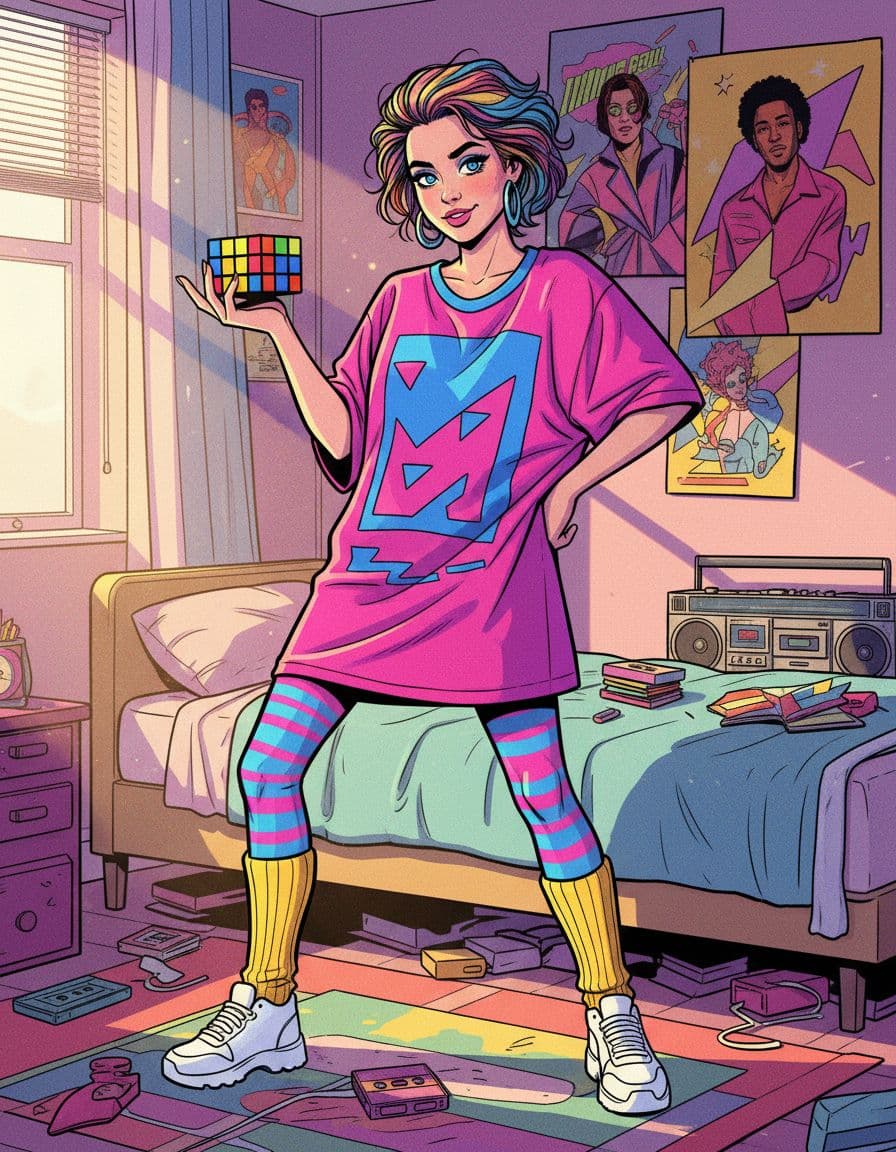
Its look escaped the puzzle itself, too. Cube colors showed up on school supplies, shirts, and novelty merch. The whole thing had style. Even if you never mastered the puzzle, you liked what it signaled: bright, clever, current.
Owning a cube was cool. Solving it was cooler.
That blend of brains and style was rare. Most toys were pure play or pure display. The cube pulled off both. Kids used it as a challenge, a conversation starter, and sometimes a prop, especially when they only knew one trick pattern and wanted to show it off.
It also fit neatly into toy collections. One shelf might hold Transformers, Star Wars figures, and an Atari cartridge stack. The cube still stood out. Its clean shape made it look almost futuristic, like a little piece of math class that had wandered into pop stardom.
When a Bedroom Puzzle Became a Pop Culture Event
Rubik’s Cube didn’t stay in the bedroom for long. It spilled onto TV screens, contest stages, and store displays. Erno Rubik invented the puzzle in Hungary in 1974, and by 1980 it was reaching international toy shelves. A year or two later, it felt unavoidable.
News segments treated fast solvers like mini celebrities. Toy stores stacked cubes near the front. Schools had their own hallway legends, the kid who could solve one at lunch, the cousin who memorized moves, the neighbor who peeled stickers when things got desperate.

The competitive side made the craze feel even bigger. In 1982, Budapest hosted the first world championship, turning a bedroom habit into a spectator event. By 1983, the toy even had its own Saturday morning cartoon, Rubik, the Amazing Cube. That is when you knew this was no ordinary fad.
Magazine tips, solution books, and playground chatter kept the mania moving. Every new shortcut felt like secret knowledge. Every rumor about a faster solve spread fast. The cube had its own little media circuit, and kids were plugged into all of it.
Still, the bedroom remained mission control. That is where kids practiced under a single lamp. That is where failed attempts piled up beside homework and candy wrappers. That is where the cube became personal, not just popular. You weren’t watching the craze. You were holding it in your hands.
Why It Still Clicks Today
That is why the cube still has retro appeal. It brings back the whole scene, the posters, the desk clutter, the bragging rights, the feeling that one small toy could take over your room and your brain at the same time.
A Rubik’s Cube is still bright, tactile, and weirdly magnetic. Pick one up now, and you can almost hear the cassette deck, feel the shag carpet, and see that impossible little square waiting on the dresser for one more try.