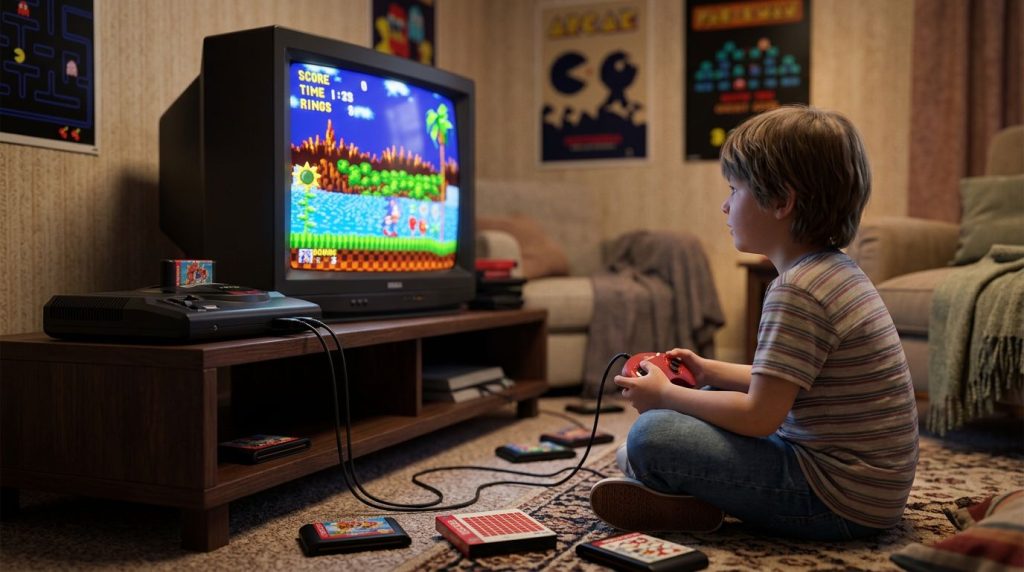
You didn’t need a spec sheet to know the Sega Genesis felt like a real step up. One look at the screen, one blast of that crunchy music, one quick turn with the controller, and the old 8-bit world suddenly seemed a little smaller.
For kids in the late 1980s and early 1990s, that was the hook. The Genesis looked faster, sounded tougher, and carried itself like it had somewhere cooler to be. It wasn’t only a new console. It was the home version of the arcade dream.
When 16-Bit Actually Looked Like an Upgrade
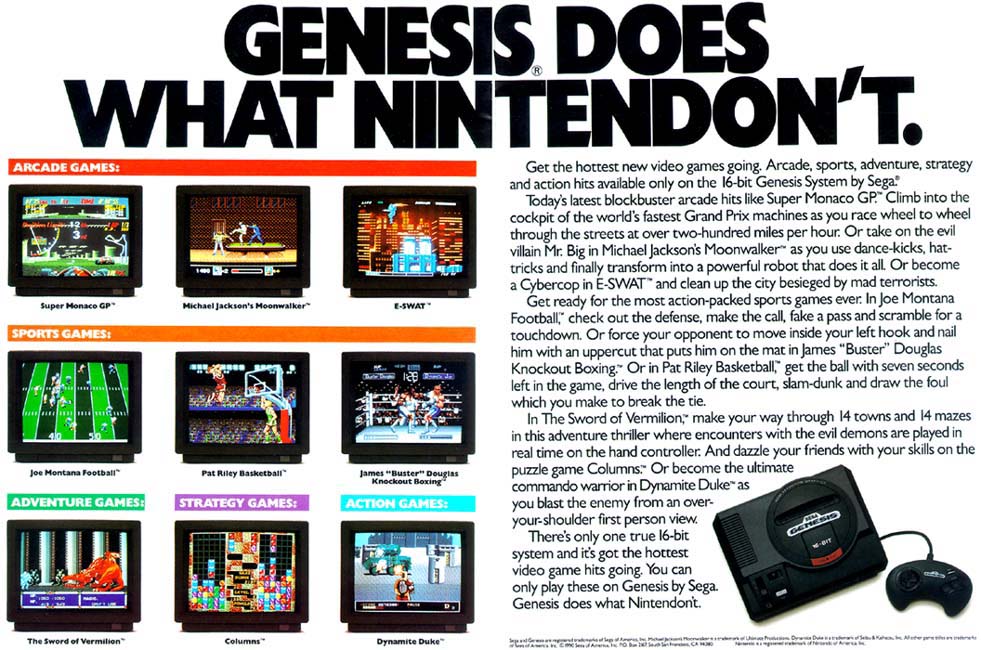
The jump to the Genesis landed at the right time. Arcades still mattered. Rental stores still had that wall of plastic clamshell cases and cardboard boxes. Kids knew what a cabinet looked like, what it sounded like, and how far most home systems still were from the real thing.
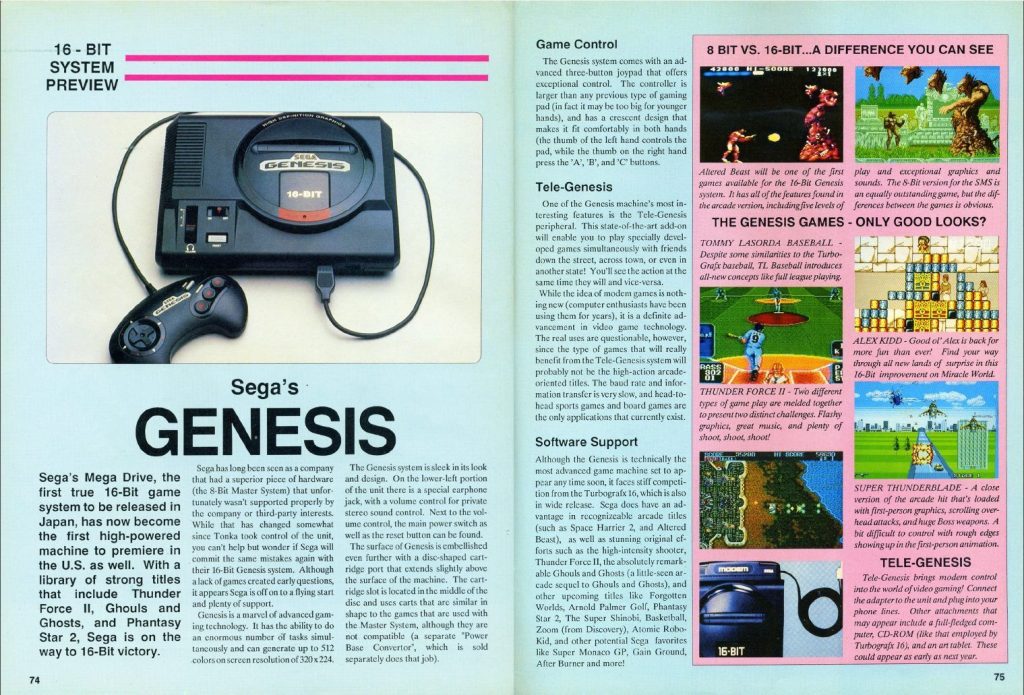
Then Sega showed up in North America in 1989 with a black console that looked less like a toy and more like stereo equipment. That mattered.
For a lot of families, the NES had been the standard. It was beloved for a reason. But it also had limits that were easy to spot once the Genesis arrived. Bigger characters, smoother scrolling, bolder colors, and a stronger sense of motion made the newer machine feel like it belonged to a new era.
You saw it before you understood it.
Games on the Genesis had a kind of snap to them. Sprites looked larger. Backgrounds felt more alive. Action scenes had more energy, especially in side-scrollers and arcade conversions. Sega didn’t invent excitement, but it packaged excitement better than most living room systems had up to that point.
That visual jump helped push Sega into a serious position in the early 16-bit race. A basic history of the Genesis and its market run shows how quickly it gained ground in the early 1990s, including a period when Sega led the 16-bit market in the U.S.
Kids didn’t need market charts, though. They needed one afternoon at a friend’s house.
And once you saw a Genesis in action, it felt like Christmas-list material.
Why the Genesis Felt Fast, Loud, and a Little Cooler
Some consoles were fun. The Genesis felt urgent.
Part of that came from the hardware, especially the way games moved. Motion looked quick and clean, which made action titles pop. When Sonic the Hedgehog hit in 1991, Sega finally had the perfect showpiece. Sonic didn’t stroll onto the screen. He tore through loops, ramps, and checkerboard hills like the console was showing off on purpose.
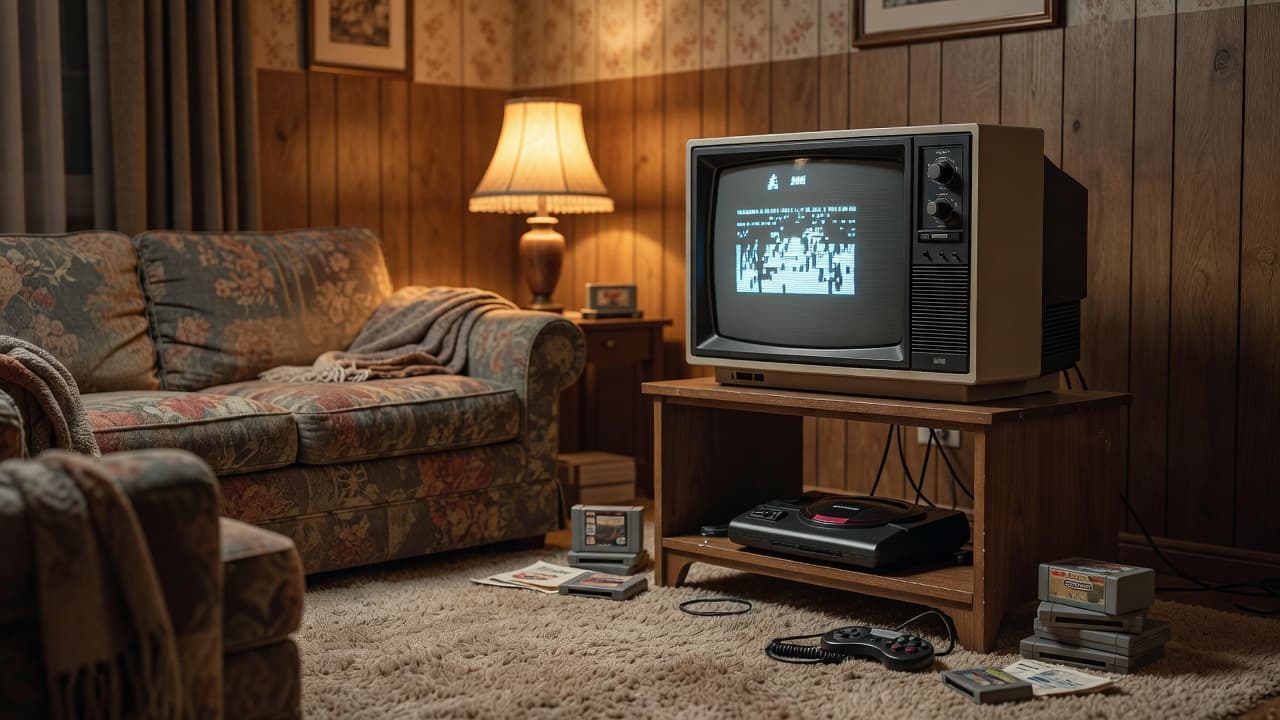
The sound helped, too. The Genesis had a gritty FM-synth voice, thanks to its Yamaha sound chip, and that gave the system a distinct personality. It could sound metallic, punchy, even a little rough around the edges. For some players, the Super Nintendo later sounded richer and warmer. Fair enough. But the Genesis sounded like leather jackets, neon lights, and city streets after midnight.
That edge fit games like Streets of Rage perfectly. Yuzo Koshiro’s soundtrack didn’t float in politely. It hit. The same went for Golden Axe, where every sword swing and beast roar felt tuned for maximum attitude.
The Genesis didn’t win kids over with technical jargon. It won them over with motion, noise, and swagger.
Even older arcade ports gained extra shine on Sega’s machine. The system had a way of making games feel immediate, like they were one step closer to the machines in the mall arcade or the pizza place by the front door. If you want a quick flashback to that moment when Sega looked unstoppable, this mini documentary on Sega’s peak years captures the mood nicely.
The console didn’t whisper “next generation.” It shouted it.
The Controller Made the Upgrade Feel Physical
A console can promise a lot on the box. The controller is where the promise gets tested.
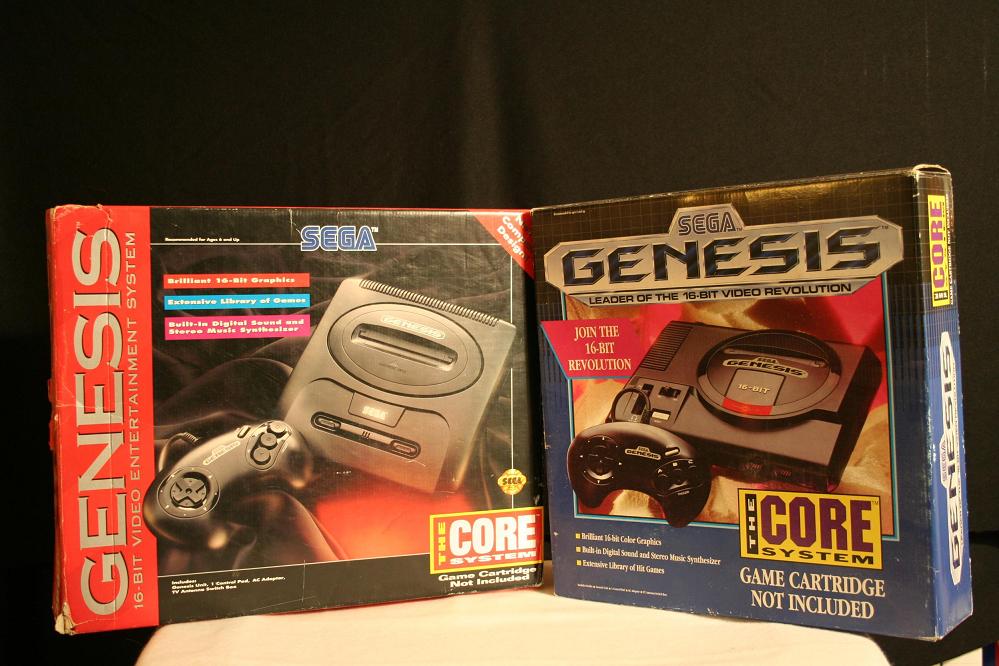
The original Genesis pad passed that test fast. It fit well in the hands, had a clean directional pad, and gave you three face buttons lined up in a simple, arcade-friendly row. A, B, and C felt direct. No clutter, no confusion, just get in there and start playing.
That design wasn’t flashy, but it was smart. Sports games felt natural. Action games felt quick. Fighting games, at least before the six-button pad arrived, were still more comfortable than they often looked in magazine screenshots. Sega later expanded with the six-button controller, which became a favorite for games that needed more inputs, especially in the fighting game boom.
Even before that, the three-button pad helped sell the whole arcade-to-couch fantasy.
You felt it in Altered Beast. That game was an early pack-in for many Genesis owners, and while it wasn’t the deepest game on the shelf, it was a statement piece. Big sprites. Loud voices. Monsters. Transformation scenes. “Rise from your grave” had the exact kind of over-the-top energy kids remembered.
You felt it in two-player sessions, too. Golden Axe and Streets of Rage weren’t only fun games. They were sleepover games. Sibling games. “Don’t die, I’ve got the apple” games. The Genesis made local co-op feel muscular and exciting.
If your memory needs a quick trip back to joystick-clacking, quarter-eating afternoons, this golden age arcade gaming guide taps into the same spirit that Sega brought home so well.
The best part was simple: the system felt built for action, and the controller made that obvious every time you picked it up.
A Game Library That Sold the Dream
Hardware grabs attention. Games close the deal.
The Genesis library had range, but it also had a strong identity. Sega knew how to stock the shelf with titles that looked cool in screenshots and felt cool in motion. That sounds simple. It isn’t.
Sonic the Hedgehog became the banner title for a reason. He was fast, cocky, colorful, and instantly readable as Sega’s answer to a changing audience. Nintendo’s Mario was still king of platforming polish, but Sonic gave kids a different flavor. Less fairy-tale charm, more sneakers-on-the-pavement attitude.
Then there were the heavy hitters that made the console feel older, or at least older-sibling approved. Streets of Rage turned urban brawling into a Saturday-night event. Golden Axe delivered fantasy combat with giant axes, skeletons, and beast rides. Altered Beast brought arcade spectacle home, even if it was more style than strategy.
And sports, wow, sports were huge on Genesis.
That side of the library doesn’t always get the same glamorous write-up, but it mattered. John Madden Football helped turn the console into a serious machine for football fans, and NHL ’94 became one of those legendary cartridges people still bring up with a grin. Genesis sports games had speed, clean controls, and a TV-broadcast energy that fit the system perfectly.
Sega also benefited from strong third-party support, especially from publishers that liked the hardware and the audience it was attracting. The result was a console that had personality across genres, not only in mascot platformers.
Nintendo, of course, still had enormous pull. It owned a softer, broader family image, and it had another ace with handheld dominance. The Nintendo Game Boy legacy tells that story all by itself. But on the couch, plugged into the family TV, the Genesis often felt like the machine for kids who wanted their games with more bite.
That was the real sales pitch. Not “better at everything.” More like, “This one feels exciting in a different way.”
Sega’s Attitude Was Part of the Product
The Genesis arrived with hardware, games, and one more thing: attitude.
Sega’s early 1990s marketing wasn’t subtle. It pushed speed, coolness, edge, and a little bit of defiance. Nintendo had built a polished, trustworthy image. Sega looked at that and decided to be the louder kid in the room.
It worked because the culture was ready for it.
This was the era of mall chains, sports highlights, MTV leftovers, rental-counter hype, and kids wanting media that felt a little less childish. Sega understood that mood. The ads, the black console shell, the naming, the music choices in games, all of it told players that this machine was for someone a tiny bit older, or at least someone who wanted to feel that way.
Here’s the kid-level version of the matchup:
| Console | What kids noticed first | Overall feel |
|---|---|---|
| NES | Familiar mascots, simple action, proven classics | dependable and playful |
| Sega Genesis | faster motion, louder sound, arcade attitude | cool and a little rebellious |
| Super Nintendo | richer color, smoother effects, polished presentation | bright, inviting, and refined |
That doesn’t mean the Genesis was automatically “better” than Nintendo’s machines. The Super Nintendo, once it arrived, had its own magic. Its first-party games were incredible, and its sound and color could be gorgeous. Plenty of kids preferred it, and with good reason.
But the Genesis had a sharper identity.
It knew exactly what kind of excitement it wanted to sell, and it sold it well. For a stretch of the early 1990s, that made Sega feel less like an alternate choice and more like the console with the hotter pulse.
Why It Still Feels Like a Real Upgrade
The Sega Genesis still stands out because its appeal was easy to feel. Better-looking action, harder-hitting sound, strong controllers, arcade-style energy, and a library packed with personality made the jump to 16-bit seem obvious.
More than anything, it caught a mood. Kids didn’t only want new technology. They wanted something that looked cooler on the TV, sounded cooler in the room, and made the old system feel one generation behind.
That’s why the Genesis lingers in memory so clearly. It wasn’t only a console on a shelf. It was the machine that made “next” feel like it had finally arrived.