Some 80s songs don’t merely play, they strut into the room wearing eyeliner, a skinny tie, and one excellent pair of boots. The artists behind them made pop feel futuristic, funny, stylish, strange, and impossible to ignore.
This new wave music wasn’t one neat little genre with a single uniform. It was a glorious pileup of punk energy, disco grooves, synth hooks, art-school oddness, dance-floor drama, and music-video glamour. Here’s why it still sounds like the decade switched the lights on.
Key Takeaways
- 80s new wave fused punk’s urgency with pop hooks, disco grooves, synths, art-school oddness, and dance-floor drama.
- American bands such as Blondie, Talking Heads, Devo, The B-52s, and The Go-Go’s brought humor, nerve, personality, and unforgettable hooks to the movement.
- British artists including Duran Duran, Depeche Mode, The Human League, New Order, and The Cure added electronic polish, romantic gloom, and beautifully tailored spectacle.
- MTV and club culture turned new wave into more than a sound, making fashion, music videos, and visual identity part of the experience.
- New wave, post punk, and synth pop overlap, but the broad new wave umbrella connects punky guitars, programmed rhythms, stylish experimentation, and pop ambition.
How the 80s New Wave Sound Took Shape
New wave began with punk’s impatience, then dressed it up for a wild night out. The songs were often leaner and catchier than prog rock, but their edges stayed sharp. A nervous guitar line, a deadpan vocal, a beat that felt like a machine with a grudge, that was the good stuff.
Punk’s jolt stayed in the wiring
Punk rock prized speed, stripped-down gear, and the feeling that anybody could start a band by Friday. New wave kept that urgency but welcomed pop melody and quirky arrangements. Elvis Costello brought sharp songwriting, while Roxy Music added art-school theatricality.
New York’s CBGB was a major launchpad. The club became famous for giving punk and new wave artists a place to play, as CBGB’s documented history makes clear. Blondie, Talking Heads, Television, and the Ramones all came through that sweaty little pressure cooker.
Machines changed the color of pop
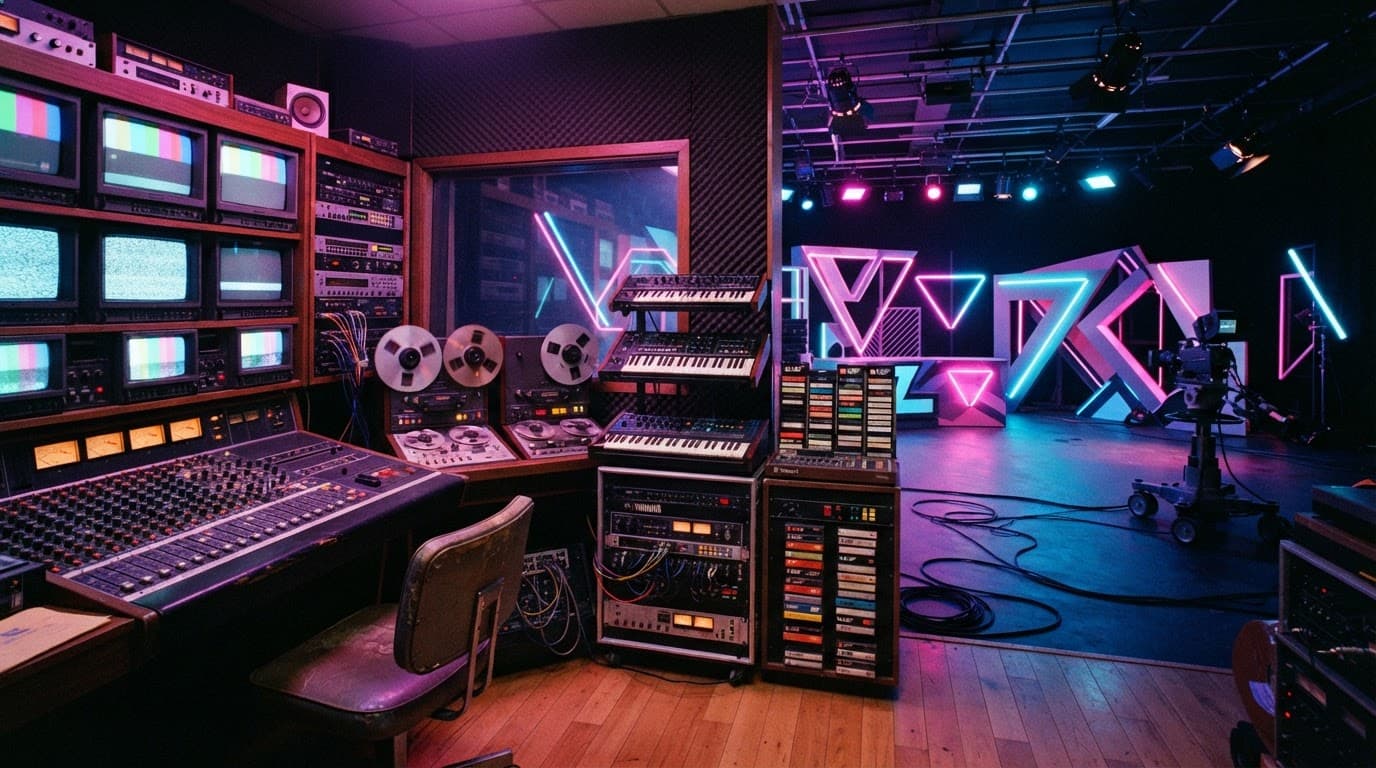
Synthesizers didn’t replace guitars. They changed the weather around them. Analog instruments such as the Prophet-5, Oberheim, and Roland Jupiter series could be glassy, spooky, warm, or wonderfully artificial.
Drum machines tightened the beat. Sequencers repeated bass lines and arpeggios with a precision no tired human drummer could match at 2 a.m. Add polished production, crisp handclaps, and big reverb, and suddenly a small club song could feel built for neon-lit airwaves.
The American Originals Had Nerve, Humor, and Hooks
America’s new wave scene was never only about keyboards. Guitars snapped, bass lines bounced, and singers sounded like they had a private joke they might share later.
Blondie turned downtown cool into radio gold
Blondie could shift gears without losing its identity. “Heart of Glass” brought disco pulse into the band’s punk-rooted world, while “Rapture” folded rap into the picture years before most pop listeners expected it. Debbie Harry’s cool, detached delivery gave every hook a little danger.
The scene also proved that women were not decoration. Blondie, The B-52s with Kate Pierson and Cindy Wilson, and the all-female Go-Go’s brought personality, songwriting, and serious chart power. Missing Persons added a distinctive visual and musical identity. Cyndi Lauper took the pop-facing side of new wave to a huge audience without sanding off her oddball charm.
Talking Heads and Devo made weird feel welcoming
Talking Heads made nervousness danceable. David Byrne’s clipped vocals, Tina Weymouth’s elastic bass, and the band’s rhythmic curiosity gave us “Once in a Lifetime,” a song that still feels like a transmission from a very stylish alternate universe.
Devo made robotic riffs and social satire sound like party music, especially on “Whip It.” The B-52s mixed surf guitar, Farfisa organ, campy call-and-response vocals, and Athens, Georgia eccentricity. These new wave bands weren’t chasing one approved sound. They were making odd ideas stick in your head for days.
British New Wave Brought the Gloss and the Gloom
Across the Atlantic, the early 80s delivered slick electronic pop, moody post punk, and beautifully tailored drama. The Police kept reggae-inflected rock in the conversation, while Squeeze and XTC pushed the movement beyond pure keyboard-led pop. Gary Numan and Pet Shop Boys helped electronic music feel like pop, not just futuristic studio craft.
Duran Duran made pop look expensive
Duran Duran paired Nick Rhodes’ shimmering keyboards with John Taylor’s muscular bass and Andy Taylor’s guitar bite. “Rio,” “Hungry Like the Wolf,” and “Girls on Film” were polished without sounding lifeless. They understood that rhythm could be glamorous.
Their clothes mattered, too. Suits, scarves, teased hair, makeup, and a fearless relationship with color became part of the package. New wave fashion was not an afterthought. It told you the music had arrived before the first chorus.
Depeche Mode and The Human League Worked the Machines
Depeche Mode began with bright electronic pop, then moved toward darker textures and more personal songs. The Human League made synthetic melodies feel romantic and massive on “Don’t You Want Me.” New Order fused tension, club beats, and sequenced bass into a new direction with “Blue Monday.”
The Cure initially occupied the darker, guitar-led end of the movement, with spare guitars and a chilly mood, then reached brighter pop heights later in the decade. That overlap is part of the fun. As Rolling Stone’s account of the Second British Invasion recalls, synths and electronic pop were everywhere in this British surge, with Tears for Fears adding widescreen emotion.
MTV Turned a Sound Into a Whole Look
When MTV arrived in American cable homes in 1981, a song could win you over before the first verse ended. New wave artists were ready. Their music already had visual imagination baked in.
A song now needed a look
The visual worlds of Duran Duran, a-ha in a pencil-sketch world, Devo in matching jumpsuits, and The B-52s in thrift-store space-age splendor all made perfect television. A music video could give fans a fashion reference, a bedroom-poster fantasy, and a reason to keep the TV on after school.
MTV didn’t invent the format. Britain’s video culture had been developing long before the channel’s launch, as the British Film Institute’s music-video history explains. MTV gave that visual language a powerful American megaphone.
Clubs kept the pulse moving
Videos sold the fantasy, but clubs tested the records. A strong kick drum, a restless bass line, and a synth phrase that repeated just right could keep a dance floor moving for six glorious minutes.
Club culture also kept new wave flexible. A DJ could move from The Cure to The Police, then into New Order, Prince, or a left-field import. That crossover made alternative dance a natural connection between club-oriented new wave, pop, and darker guitar music. The boundaries got blurry, and nobody on the dance floor was filing genre paperwork.
New Wave, Post Punk, and Synth Pop Aren’t the Same Thing
The labels overlap, sometimes messily, because new wave is a broad music genre with shifting boundaries. That’s normal. Artists changed quickly, and record-store bins were never built for perfect historical categories.
Use the labels as clues, not handcuffs
| Style | Usual feel | Artists often linked with it |
|---|---|---|
| New wave | Punky, melodic, stylish, pop-aware | Blondie, Devo, Squeeze, Missing Persons |
| Post Punk | Darker, more experimental, tense | The Cure, Talking Heads |
| Synth Pop | Keyboard-led hooks and programmed rhythms | Gary Numan, Pet Shop Boys, Soft Cell |
A synthetic beat doesn’t automatically make a song synth-pop, and a guitar doesn’t kick it out of new wave.
Think of new wave as the big neon umbrella. The darker category often chased mood and experimentation. The keyboard-led category put the electronic hook near the center. Plenty of artists walked through all three rooms.
Build an 80s New Wave Mixtape That Actually Flows
Don’t toss every keyboard hit onto one cassette and call it a day. Start with the wiry stuff, let the machines take over, then finish with something huge enough for the closing credits.
Nine tracks with no filler
- Blondie, “Heart of Glass”
- Talking Heads, “Once in a Lifetime”
- Devo, “Whip It”
- The B-52s, “Private Idaho”
- Duran Duran, “Rio”
- The Human League, “Don’t You Want Me”
- Depeche Mode, “Just Can’t Get Enough”
- New Order, “Blue Monday”
- The Cure, “Just Like Heaven”
That sequence gives you punky sparkle, art-rock jitters, machine-pop romance, and a big final glow. For the full foam-headphone experience, try building an 80s mixtape instead of letting an algorithm do all the picking.
Frequently Asked Questions
What is new wave music?
New wave is a broad style that grew from punk but welcomed pop melody, synthesizers, disco grooves, art-rock ideas, and theatrical presentation. It could sound sharp, strange, romantic, danceable, or all four before the chorus arrived.
Which bands defined the 80s new wave sound?
Blondie, Talking Heads, Devo, The B-52s, Duran Duran, Depeche Mode, The Human League, New Order, and The Cure are among the key names. The Police, Squeeze, XTC, Gary Numan, and Pet Shop Boys also helped stretch the movement in different directions.
How did MTV affect new wave?
MTV gave new wave’s visual imagination a powerful American audience. Fashion, makeup, music videos, and striking sets became part of the package, helping songs such as Duran Duran’s “Rio” feel like complete pop worlds.
Are new wave, post punk, and synth pop the same thing?
Not exactly, although the boundaries are wonderfully blurry. New wave is the broadest label, post punk usually leans darker and more experimental, while synth pop places keyboard-led hooks and programmed rhythms near the center.
What songs belong on an 80s new wave playlist?
Start with “Heart of Glass,” “Once in a Lifetime,” “Whip It,” “Rio,” “Don’t You Want Me,” “Blue Monday,” and “Just Like Heaven.” That run moves from punky sparkle to machine-pop romance and finishes with a suitably enormous glow.
The Sound Still Feels Like Tomorrow
The greatest new wave bands gave the 80s its electric heartbeat. They mixed human nerves with machine precision, sharp guitars with glossy synths, and darkness with pure pop joy.
Put on “Rio,” “Whip It,” or “Once in a Lifetime” today. That future they imagined is still blinking in neon, waiting for you to press play.