Kristin Shepard shot J.R. Ewing, and Mary Crosby’s character was finally exposed in “Who Done It?” on November 21, 1980. But the answer to “Who Shot J.R.?” was only half the fun.
For eight months, Dallas kept viewers guessing, arguing, and wearing their accusations on T-shirts. Larry Hagman’s deliciously rotten oilman had made enemies practically everywhere, which gave us a suspect list worthy of its own family reunion.
The real hook was the wait, that glorious, maddening stretch when everyone had a theory. And it all began with two shots on a Friday night.
March 21, 1980: The Night Dallas Left Us Hanging
An Oilman With Enemies to Spare
By its third season, Dallas had perfected its favorite recipe: money, betrayal, family loyalty, and somebody behaving terribly before dinner.
Usually, that somebody was J.R.
Hagman gave him a smile that could charm you while he ruined your business. J.R. manipulated his wife, Sue Ellen, tangled himself in affairs, and treated rivals like obstacles to be bulldozed. Viewers could despise him and still hang on every word.
That was the genius of the buildup. When somebody finally pulled a gun, the audience already understood the motive.
Which motive? Take your pick.
Two Shots, Then the Credits
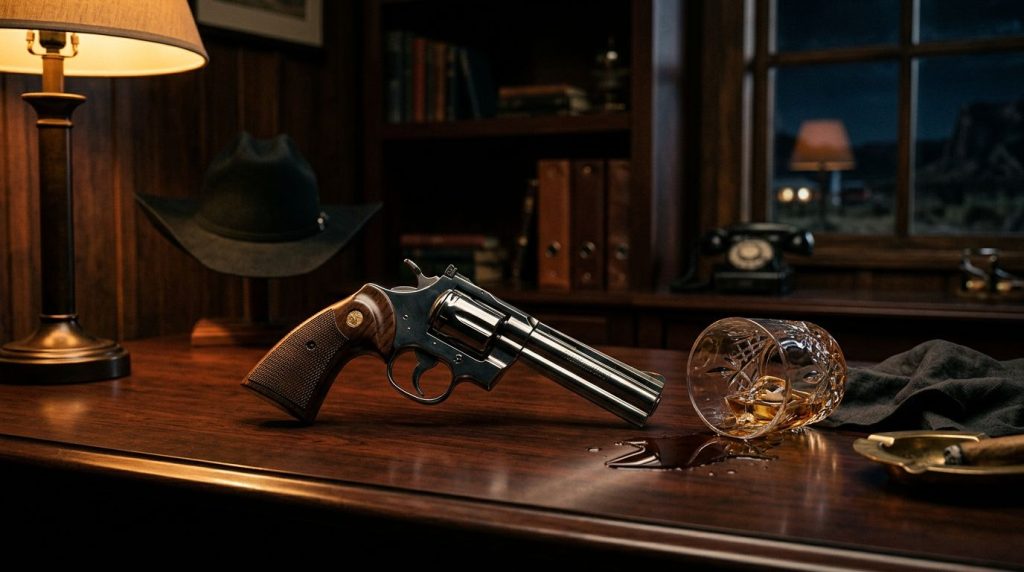
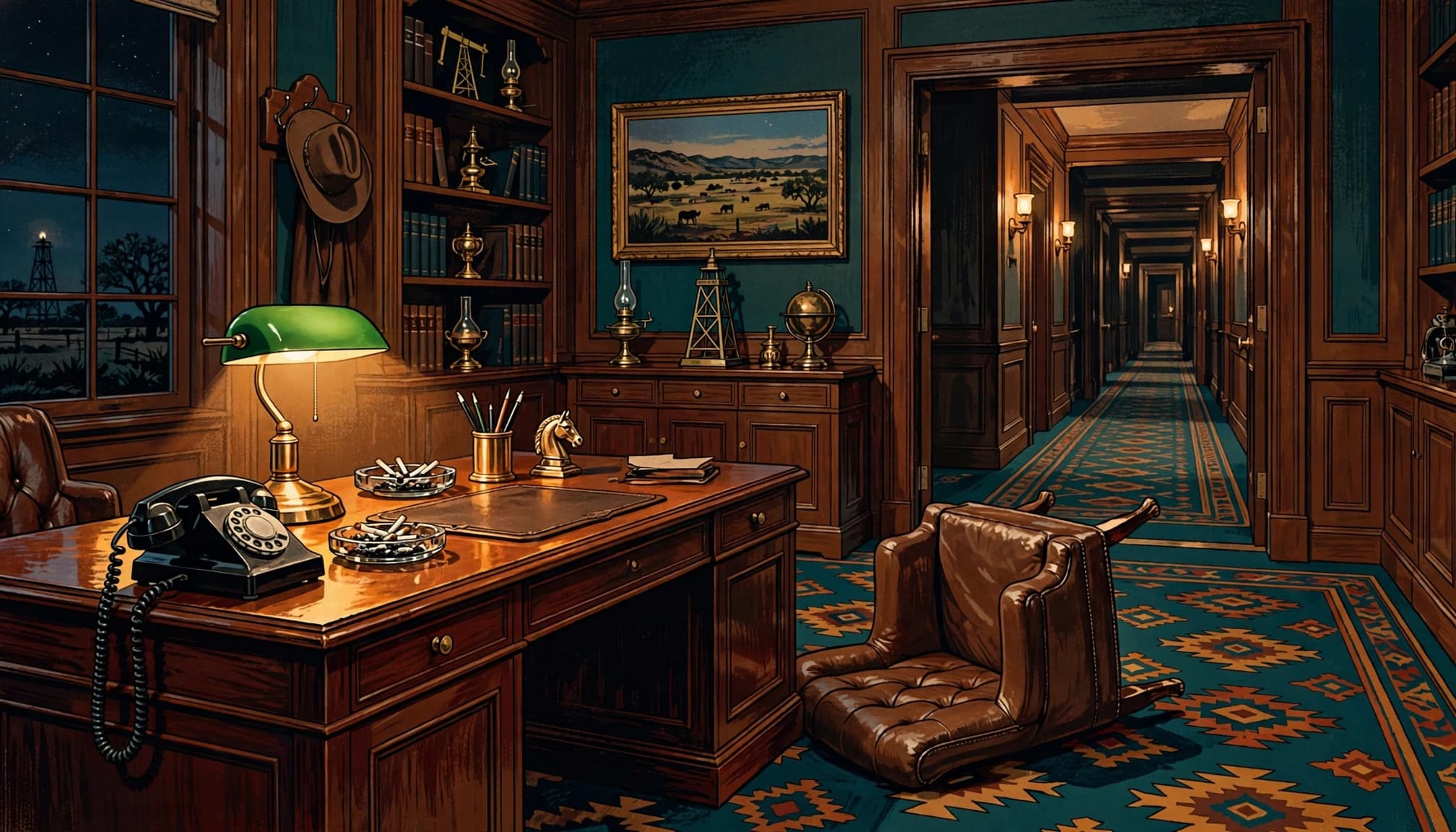
In “A House Divided,” broadcast March 21, 1980, an unseen attacker shot J.R. twice in his office. He collapsed, the season ended, and viewers were left with a wounded villain and absolutely no answer.
CBS turned “Who shot J.R.?” into a promotional catchphrase, giving the mystery a question short enough for a button, a headline, or a heated conversation.
Even the show’s opening music belonged to that grand television ritual. Like our favorite 80s TV theme songs, it told you your show was starting.
That night, the ending was what stayed with everybody.
Who Shot J.R.? The Suspects Had Betting Odds
J.R. had supplied so many people with reasons to hate him that guessing became a spectator sport.
Sue Ellen, played by Linda Gray, was an obvious suspect. Her marriage had delivered humiliation, heartbreak, and enough emotional ammunition for several seasons. Kristin, her younger sister and J.R.’s mistress, had her own reasons for revenge.
Business enemies belonged in the conversation, too. So did members of the Ewing family. In J.R.’s orbit, being related hardly guaranteed affection.
Betting parlors in the United States, Canada, and Western Europe put money behind those theories. One reported early set of odds looked like this:
| Suspect | Reported Early Odds |
|---|---|
| Dusty Farlow | 6-to-4 |
| Vaughn Leland | 4-to-1 |
| Kristin Shepard | 4-to-1 |
| Sue Ellen Ewing | 25-to-1 |
| Miss Ellie Ewing | 25-to-1 |
Those figures were snapshots, not permanent rankings. Different bookmakers offered different lines, and the story kept changing.
After Sue Ellen’s fingerprints were found on the gun, some bookmakers cut her odds to 3-to-1.
Poor Sue Ellen. Even the betting public was keeping a suspicious eye on her.
The Summer a Soap Opera Became Everybody’s Business
T-Shirts, Songs, and Strong Opinions
The mystery escaped the television set almost immediately.
“I shot J.R.” T-shirts turned an attempted murder into a cheeky fashion statement. “We Know Who Done It” parody songs joined the noise. Office pools and contests gave people another reason to defend their favorite suspect.
You could participate without being a walking encyclopedia of Ewing family history. All you needed was an opinion, and America had plenty.
That little question had the perfect shape for pop culture: easy to repeat, impossible to settle, and attached to a character people loved watching behave badly.
Why Everybody Was Watching Together
The viewing habits of 1980 did plenty of work for Dallas.
ABC, CBS, and NBC dominated American television. Streaming didn’t exist, and missing a broadcast could mean hearing the answer before seeing it yourself.
In fans’ recollections of the frenzy, that shared schedule comes up again and again. People watched together, then carried the conversation into the next day.
We know the feeling: a show ends, and suddenly the next episode feels like an appointment you absolutely cannot miss.
Dallas stretched that feeling across most of a year. The longer viewers waited, the more the mystery belonged to them.
Behind the Scenes, the Suspense Kept Growing
The Return Took Longer Than Expected
The usual summer break became an eight-month gap between the shooting and the answer.
An industry strike helped push the new season’s arrival back by roughly two months. Season four finally began on November 7, 1980, but Dallas still made viewers wait another two weeks for the reveal.
Yes, the show returned before it handed over the name.
“Who Done It?” was the fourth episode of season four, not the season premiere.
That distinction is easy to lose in the legend. Fans had already waited all summer, and the writers still had more suspicion to spread around. CBS had viewers back in front of their sets before it spent its biggest secret.
Hagman Had a Contract to Negotiate
While audiences wondered whether J.R. would survive, Hagman was negotiating his own future.
He reportedly returned ten days after production began without him, with a deal paying $100,000 per episode, plus merchandise royalties. Television’s most talked-about shooting had given its star a powerful bargaining position.
The production also filmed decoy versions of the shooting with different cast members, including Hagman himself, taking a turn as the attacker.
A very J.R. touch, that last one.
Those alternate takes helped protect the answer. Seeing somebody film the shooting didn’t necessarily mean you had discovered the real culprit.
November 21: Kristin Shepard Was the Shooter
The Mistress Behind the Mystery
The answer finally arrived in “Who Done It?,” broadcast November 21, 1980.
Kristin Shepard, played by Mary Crosby, had shot her sister’s husband.
Her motive came straight out of the mess “Who shotJ.R.” had created. Their affair had soured, his promises hadn’t become the future she expected, and he had rejected her and ordered her away.
Kristin’s anger became revenge.
She also planted the gun in Sue Ellen’s closet, helping steer suspicion toward her own sister. That made the reveal sting twice: Kristin had attacked J.R. and left Sue Ellen facing the consequences.
For a mystery built around a man who betrayed everybody, it was an appropriately nasty answer. The danger had been sitting inside the family circle all along.
The Pregnancy Claim Changed Everything
Then came one more very Dallas complication.
Kristin said she was pregnant with J.R.’s child. He chose not to press charges, avoiding a public scandal and the prospect of his child being born while its mother was imprisoned.
The show gave viewers their answer without closing the door on more trouble.
J.R. survived. Kristin had a claim he couldn’t comfortably ignore. Sue Ellen had another betrayal to absorb.
For viewers expecting the guilty party to be marched away and the Ewings to enjoy a peaceful evening, well, this was Dallas. Peaceful evenings were never its specialty.
The Ratings Were Almost as Famous as the Answer
An estimated 83 million Americans watched “Who Done It?” The episode earned a 53.3 Nielsen rating and a 76 percent share.
Those figures are also recorded in Julien’s account of Linda Gray’s Dallas archive, a reminder of how enormous the show’s audience had become.
The numbers measure different things. The rating describes the percentage of television households watching. The share describes the percentage of households using their televisions at that time.
In other words, roughly three out of every four television households watching anything were watching Dallas.
That’s a lot of people telling somebody else to stop talking during the big scene.
The commonly cited American audience estimate is 83 million; higher estimates also appear in accounts of the broadcast. It shouldn’t be confused with a worldwide audience total.
“Who Done It?” became the highest-rated television episode in U.S. history, holding that distinction until the MASH* finale surpassed it in 1983.
Dallas finished the 1980-81 season as America’s number-one show. It stayed among the top two for the following four seasons.
The mystery brought people in. Those magnificent Ewing disasters kept them there.
How J.R.’s Cliffhanger Lived On
Dallas didn’t invent the cliffhanger. It helped make the season-ending cliffhanger an event networks could promote for months.
That difference mattered. A final scene could keep a show in conversation long after its regular broadcasts stopped.
The phenomenon also supplied material for the young CNN, which began broadcasting on June 1, 1980. Ongoing speculation gave the new network a recurring entertainment story during its earliest months.
Comedy came calling, too. Saturday Night Live spoofed the mystery on February 21, 1981. Years later, The Simpsons built its own two-part guessing game around “Who Shot Mr. Burns?”
The resemblance was part of the joke. An unpopular rich man, a crowd of suspects, and an audience invited to play detective. Sound familiar?
EastEnders later had “Who Shot Phil?” Twin Peaks found its own way to make a central mystery a weekly obsession.
Among our favorite 1980s television dramas, Dallas has a special place because its biggest question reached far beyond its regular audience. The Simpsons later echoed that invitation to guess with “Who Shot Mr. Burns?”
You didn’t need to follow every oil deal. You didn’t need to untangle the entire family tree.
You knew somebody had shot J.R., and you wanted the name.
Frequently Asked Questions
Who shot J.R. Ewing?
Kristin Shepard, played by Mary Crosby, shot J.R. in “A House Divided.” The show revealed her identity in “Who Done It?” on November 21, 1980.
Why did Kristin shoot J.R.?
Kristin was angry after her affair with J.R. soured and he rejected her and ordered her away. She also planted the gun in Sue Ellen’s closet to direct suspicion toward her sister.
How long did viewers wait to learn who shot J.R.?
The shooting aired on March 21, 1980, and the reveal came eight months later. Season four began on November 7, but viewers had to wait until its fourth episode for the answer.
How many people watched the reveal?
An estimated 83 million Americans watched “Who Done It?” The episode earned a 53.3 Nielsen rating and a 76 percent share.
The Answer Was Kristin. The Wait Was Television History.
Kristin Shepard pulled the trigger, but Dallas made the whole country feel involved in solving the case. The motives were personal, the suspects were plentiful, and the delay gave every theory time to grow.
That’s why the cliffhanger remains so memorable. We can know the answer by heart and still appreciate the nerve it took to end a season there.
Two shots. Eight months. One wonderfully wicked television obsession.