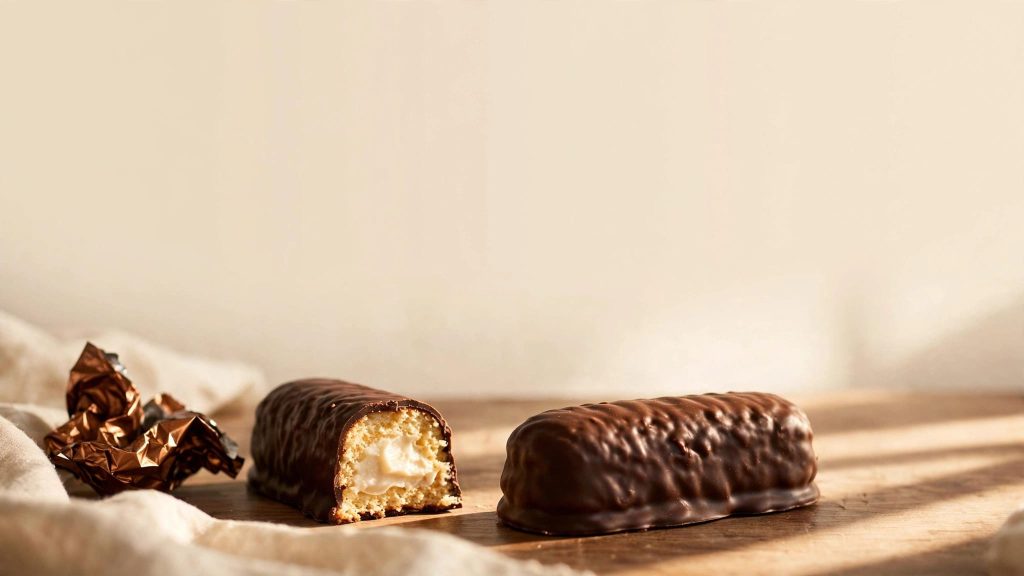
The original Hostess Chocodiles were the snack cake that felt like a prize. If you grew up where they were sold, you may remember the shiny brown wrapper and soft chocolatey coating. A plain Twinkie had suddenly put on its Saturday-night clothes, becoming a chocolate covered Twinkie.
For everyone else, the original Chocodile was almost mythical, a West Coast lunchbox legend discussed like a lost arcade game. Later versions may share its concept, but they aren’t automatically the same product. Here’s what the original was, why it became so hard to find, and what happened after its return under new names.
Key Takeaways
- Original Hostess Chocodiles were cream-filled golden sponge cakes covered in a chocolate-flavored fudge coating, giving the familiar Twinkie a richer, firmer finish.
- Chocodiles debuted in 1977 and became a West Coast snack-cake legend, helped by their cartoon mascot, Chauncey Chocodile.
- The original product disappeared during Hostess’s 2012 bankruptcy, followed by a smaller nationwide Fun Size revival in 2014 and a larger Fudge Covered Twinkies successor in 2017.
- Hostess does not currently list Chocodile Twinkies or Fudge Covered Twinkies as regular products in 2026, so vintage listings are best treated as collectibles rather than snacks.
Why the Original Chocodile Felt Different
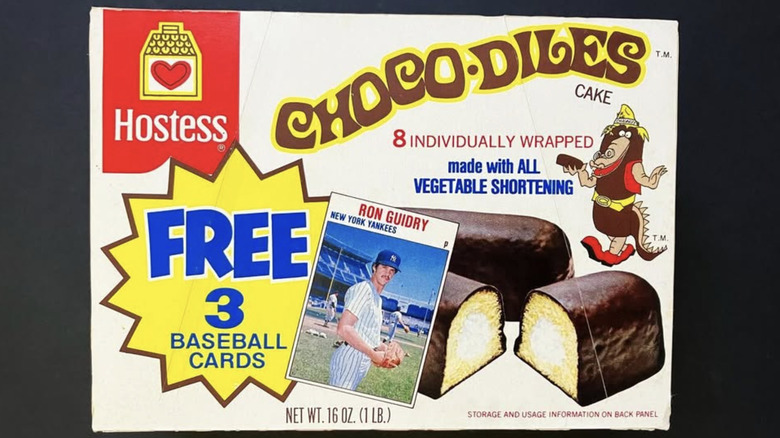
At the center of a Chocodile sat familiar Hostess territory: golden sponge cake. The cream filling remained the familiar Twinkie element, while a chocolate flavored fudge coating turned it into a chocolate coated sponge cake with a darker, richer look.
Was it basically a chocolate covered Twinkie? Yes. The famous Food Network Unwrapped reveal didn’t exactly shock longtime fans.
The Coating Changed the Whole Experience
A regular Twinkie has a light, dry-ish sponge texture. A Chocodile had that same creamy filling, but its coating held in moisture and felt slightly firmer when fresh. It wasn’t fancy bakery chocolate, and nobody confused it with a Belgian truffle.
Ding Dongs had a similar chocolate exterior, but Chocodiles wrapped it around a Twinkie.
But for a kid pulling one from a crinkly wrapper? Come on. It was a Twinkie with a fudge jacket.
That small change made the snack cake feel like a different species. The chocolate also gave the cake a little more heft, making a Chocodile feel less like dessert’s polite cousin. It was dessert kicking the door open.
Why Fans Still Argue About the “Real” Hostess Chocodiles
The original product name was simply Chocodiles. Later products used names like Hostess Chocodile Twinkies and Fudge Covered Twinkies, which makes old-school fans suspicious before the wrapper is even open.
They’re not wrong to notice differences. Recipes, factories, package sizes, and even the age of a snack cake can affect texture. Still, the core idea never changed: cream-filled golden cake, covered in fudge.
A Chocodile wasn’t a separate cake hiding inside a Twinkie wrapper. It was Hostess taking the Twinkie formula and giving it chocolate swagger.
The 1977 Arrival of a Lunchbox Legend
Chocodiles debuted in 1977, during the Continental Baking Company era. The concept was easy to understand in one glorious glance. Twinkie shape, chocolate coat, cartoon crocodile mascot. Sold.
A 1977 Chocodile launch recap traces the product back to that original rollout. The launch also fit Continental Baking Company’s broader snack-cake strategy, long before Chocodiles became an 80s memory with a cult following.
Meet Chauncey Chocodile
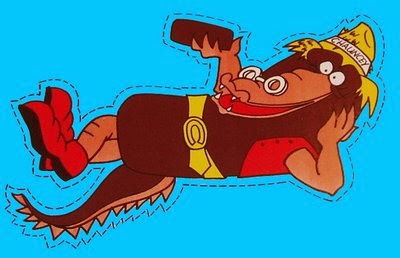
Chauncey Chocodile was the product’s mascot, a goofy cartoon reptile with the kind of broad grin Saturday-morning TV taught us to trust. Commercial history credits Allen Swift with voicing Chauncey.
Chauncey wasn’t Twinkie the Kid in a new costume. He had his own identity, his own look, and one clear job: convince kids that a chocolate-covered treat was the most thrilling thing to happen all week.
Mission accomplished.
The mascot also gave Chocodiles a personality that later rebrands never quite captured. A plain product description tells you what’s in the wrapper. “Chocodiles” makes you want to find out.
A Product Built for Peak Snack-Cake Culture
The late 1970s and 1980s were prime time for mascot-powered snack cake marketing. Every aisle had a character, a jingle, or a wild new variation on something you already loved.
Hostess knew the formula. The snack lineup included familiar names like Hostess Cupcakes and Ding Dongs. Take a favorite, add a twist, use bright graphics, then let kids do the advertising at recess. One kid brings a Chocodile to school, and suddenly everyone else is asking Mom for them.
Why Chocodiles Were a West Coast Prize
Here is the part that still surprises people: original Hostess Chocodiles weren’t a reliable nationwide grocery-store item. For years, they were sold mainly on the West Coast, often reported as available west of the Rockies.
That regional split made them feel even more special. California kids could toss one into a cart with barely a thought. East Coast shoppers were less likely to encounter them through ordinary local distribution. They might hear about them through relatives, road trips, television references, or the occasional smug friend who had “tried one in Oregon.”
Freshness Was the Practical Problem
Reports about the limited distribution point to factory capacity and freshness concerns. That remains a plausible industry explanation, not a confirmed internal Hostess shipping policy. Chocolate coating can be less forgiving during long shipping routes than an uncoated snack cake. Heat, handling, and travel time aren’t exactly a recipe for a picture-perfect fudge shell.
No tidy public memo lays out the precise policy. The broad fact is solid: Chocodiles were regional for much of their original run.
That is why the 2014 national return announcement felt like big news. The old regional favorite was finally being offered across the country.
The 2012 Disappearance and 2014 Comeback
When Hostess shut down during its 2012 bankruptcy, Chocodiles disappeared with the rest of the company’s lineup. For fans, this was not some gentle retirement with a farewell tour. One day they were a memory. Then they were suddenly harder to find than a working Trapper Keeper zipper.
The return of Twinkies in 2013 gave Chocodile loyalists hope. Hostess answered in July 2014 with Chocodile Twinkies. The nationwide rollout reached East Coast shoppers beyond the original regional footprint.
The 2014 Revival Was Smaller
The 2014 comeback was a later Fun Size variation, not the original 1977 to 2012 product. Reporting at the time described each cake as 1.45 ounces, smaller than the original Chocodile, which is commonly listed at about two ounces.
That might sound like a small gap. In snack-cake math, it is not. The 2014 version had roughly 27 percent less cake by weight than the old two-ounce Chocodile.
For some fans, the new package brought a rush of joy. For others, it was like seeing a favorite 80s band reunite with a different drummer. Familiar. Fun. But not quite the same beat.
The Larger Fudge-Coated Successor Arrived in 2017
In 2017, Hostess brought the idea back again as Fudge Covered Twinkies, a later successor with the same cream filling. Some marketing or packaging used “The Chocodile” wording. It came closer to the full-sized concept people remembered, but its packaging didn’t put the original name center stage.
That name shuffle is why online listings can get messy. A seller may call an item Chocodiles, Chocodile cakes, The Chocodile, or a fudge-covered Twinkie. They are related chapters, not always the same product in the same package.
How the Chocodile Versions Compare
The names changed more often than the basic craving did. Here is the cleanest way to separate the distinct snack cake versions.
| Version | Era | What shoppers got | Reported size |
|---|---|---|---|
| Original Chocodiles | 1977 to 2012 | A chocolate-coated, cream-filled golden cake, mostly tied to West Coast stores | About 2 ounces each |
| Chocodile Twinkies | 2014 | A nationwide Fun Size revival after the Hostess shutdown | 1.45 ounces each |
| Fudge Covered Twinkies | 2017 onward, later discontinued | A larger fudge-coated Twinkie successor, sometimes labeled “The Chocodile” | Package weights vary by listing |
The original and the 2014 Fun Size version have the clearest reported individual weights. As with a box of Ding Dongs, a package weight doesn’t necessarily equal the weight of one cake. Don’t assume a 3.81-ounce marketplace listing means one cake weighed 3.81 ounces.
SnackHistory’s Chocodiles timeline is useful for sorting out the name changes without treating every marketplace listing as a time machine.
Can You Still Buy Chocodiles in 2026?
The short answer is no, not as a current regular product. The official Hostess Brands catalog does not currently list Chocodile Twinkies or Fudge Covered Twinkies.
That does not stop old pages and third-party sellers from popping up in searches. An East Coast search can still surface a stale listing, especially when the product has a fan base willing to click before reading the fine print.
Skip the Vintage Snack-Cake Gamble
An unopened original wrapper is a fun collectible. It is not a sensible afternoon snack. These cakes were made for lunchboxes, not museum preservation.
If you see an old box online, treat it as packaging memorabilia. Check photos, dates, seller feedback, and whether the listing is for an empty box or an actual product. The word “rare” often means “someone found this in a closet.”
For a practical substitute, look for a current chocolate-coated treat or make the home version with a Twinkie and melted chocolate. It won’t recreate the factory-made original, but it gets you close enough for a movie night.
Why the Chocodile Memory Won’t Let Go
Appearances in Boyz n the Hood, That ’70s Show, and American Dad helped make Chocodiles recognizable beyond their original market. Chauncey was the Chocodile mascot, distinct from Twinkie the Kid.
For fans, the name had the same weirdly perfect rhythm as other retro snack cakes: Ding Dongs, Zingers, Suzy Q’s, Bugles. Saying “Chocodile” can still bring back the image of a napkin-ready snack.
The longing also fits a bigger Hostess pattern, where discontinued treats can vanish from shelves yet remain vivid for fans. That same “where did it go?” feeling powers the love for Hostess Pudding Pies, another snack that disappeared before fans were ready to say goodbye.
Tasting Table’s look at Chocodile-like Hostess snacks suggests the old craving still has legs, even when the original wrapper is gone.
Frequently Asked Questions
What were Hostess Chocodiles?
Hostess Chocodiles were cream-filled golden sponge cakes covered in a chocolate-flavored fudge coating. In simple terms, they were Twinkies wearing a chocolate shell.
When did the original Chocodiles first appear?
The original Chocodiles debuted in 1977 during the Continental Baking Company era. They were sold mainly on the West Coast for much of their original run.
Are Chocodiles and Chocodile Twinkies the same product?
They share the same basic idea, but they were not always identical products. The 2014 Chocodile Twinkies were a smaller Fun Size revival, while later Fudge Covered Twinkies were a larger successor.
Can you still buy Hostess Chocodiles in 2026?
Not as a current regular Hostess product. Old listings may still appear online, but shoppers should check dates and packaging carefully because many offers are for collectibles, empty boxes, or expired cakes.
The Chocodile Still Has Teeth
The original Chocodile was never just an ordinary Twinkie with chocolate on top. It was a regional prize, a mascot-powered 80s icon, and a small brown-wrapped reminder that snack food could feel like an event, joining Ding Dongs on the same memory shelf.
The original product may be off the shelf, but the memory is still wonderfully sticky. Later fudge-coated Twinkies can copy the shape. Only a Chocodile brings back the whole aisle.