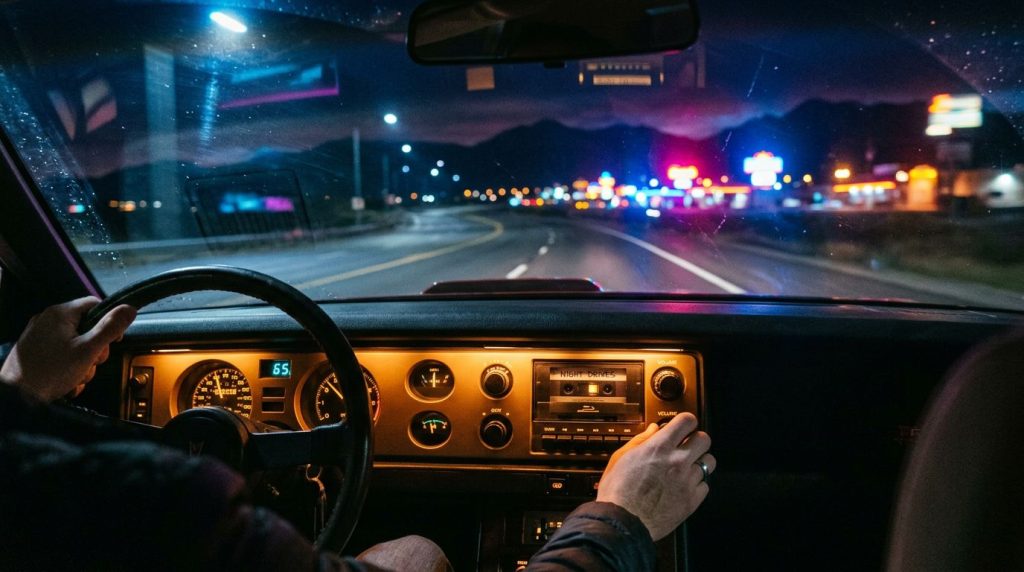
One piano chord, one glowing dashboard, one empty stretch of highway, and suddenly your little car had concert-hall acoustics.
Back when a cassette’s Side B could decide the whole mood, 80s power ballads weren’t background music. They were the reason you waited at the red light, turned the volume knob another click, and sang like the windshield was a sold-out crowd.
They had patience, drama, and choruses that made a soundtrack for night drives, then slipped naturally onto a wedding playlist, even when the next car could hear them.
Key Takeaways
- 80s power ballads turned ordinary drives into full-volume car concerts, blending quiet verses with huge, earned choruses.
- The best songs balanced soft rock intimacy, arena-sized drama, and just enough guitar power for maximum sing-along energy.
- Journey, Foreigner, Heart, Bonnie Tyler, Whitesnake, Scorpions, Bon Jovi, and Def Leppard each brought a different kind of heartbreak to the driver’s seat.
- An unforgettable car-concert playlist needs pacing: start gently, build toward the emotional peak, and finish with a promise or a very large chorus.
- Underrated favorites like “The Flame,” “Don’t Know What You Got (Till It’s Gone),” and “Nothing’s Gonna Stop Us Now” deserve a place beside the biggest hits.
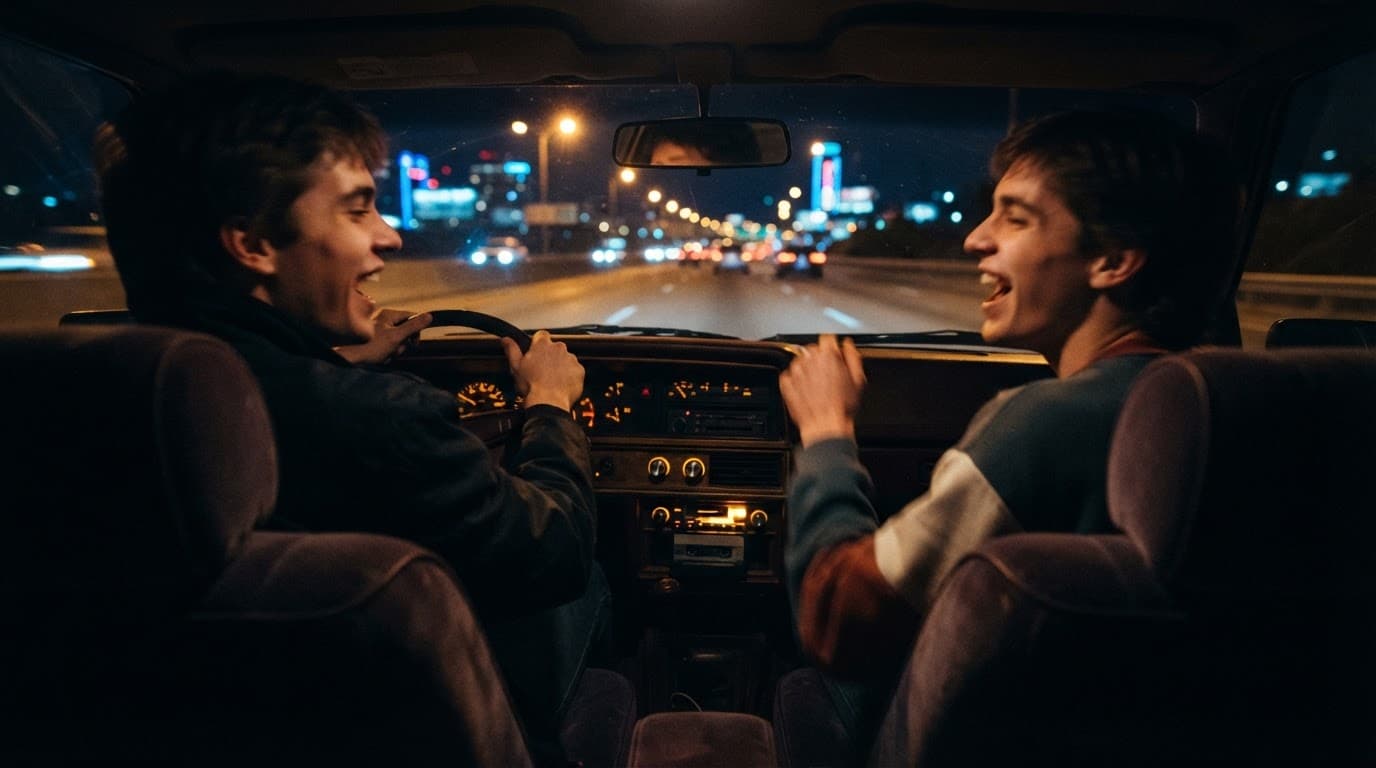
Why Power Ballads Belong in the Car
A power ballad isn’t simply one of those slow love songs with a guitar. It starts small, often as an acoustic ballad built around piano, acoustic guitar, or a voice trying to keep its cool. Then the drums arrive. The harmonies widen. Somebody hits a note that makes you sit up straighter in the driver’s seat.
That slow-burn build is the whole magic trick. A power ballad’s dramatic chorus doesn’t merely show up; it feels earned. You have waited for it through the verse, sensed it coming through the pre-chorus, and now it’s time to throw your head back like Steve Perry has personally handed you the microphone. The same structure works on a wedding playlist, too, when everyone joins the rise.
A proper car-concert song gives the driver the verse and everybody else the chorus.
The biggest rock ballads bridge soft rock intimacy, arena rock scale, and some of heavy metal’s volume. They gave musicians room to show off, but also gave regular people a place to put their own heartbreak, crushes, breakups, and late-night dreams.
MTV hits turned these songs into full-blown events. The music video sold the wind machines, leather jackets, candlelight, and impossible hair. Classic rock radio placed these songs beside pop hits. A cassette deck made them yours. That is why the worn-out tape still feels personal, just like classic Walkman listening memories.
Eight Power Ballads Made for Maximum Volume
These aren’t ranked. Each power ballad earns its place, and several reached the Billboard Hot 100, though their chart peaks varied. A favorite still depends on the weather, the passenger seat, and whether someone has recently broken your heart.
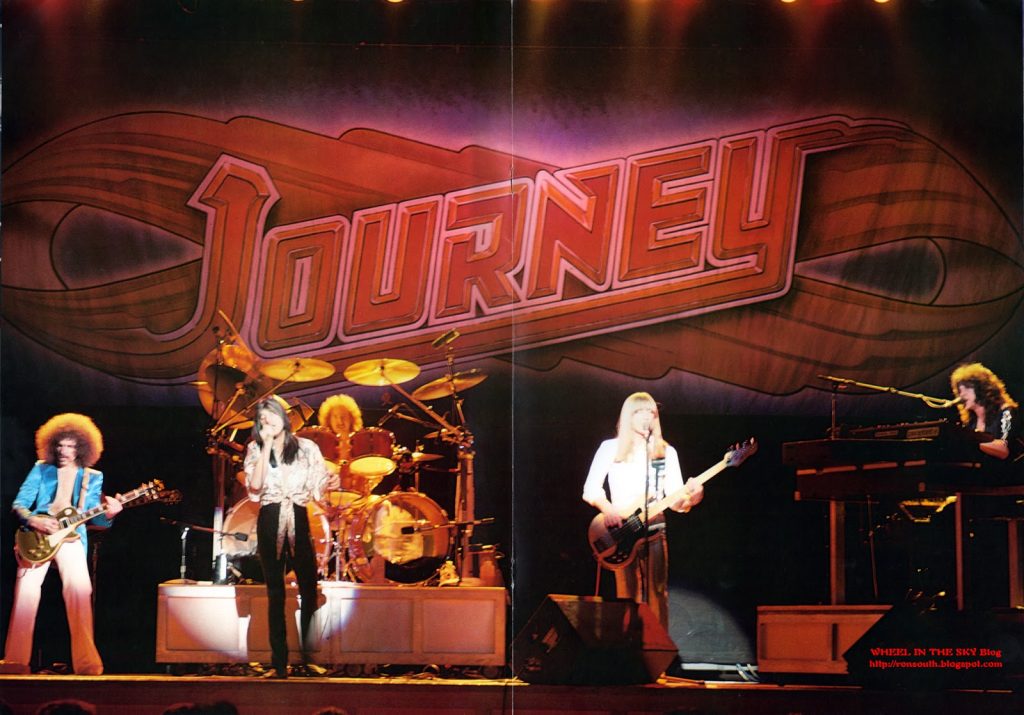
Journey, “Faithfully” (1983)
“Faithfully” has the lonely glow of highway lights after midnight. Jonathan Cain wrote it about life on the road, and Steve Perry sings it like distance is a physical ache sitting right behind his ribs.
The song never hurries. Piano and guitar hold the tension while Perry keeps climbing toward that huge, open chorus. It is tender, but it is not timid. Billboard’s Journey song picks still place it among the band’s essentials, which feels exactly right. Put it on when the road is long or when you’re building a wedding playlist around devotion. It also works when nobody in the car wants to admit they’re feeling sentimental.
Foreigner, “I Want to Know What Love Is” (1984)
Lou Gramm begins with a question and ends somewhere near the roof of the car. Foreigner’s chart-topping hit from Agent Provocateur starts with a simple, almost hushed keyboard pulse. Then the choir rises behind him, and the song becomes enormous.
This is the one for a rainy drive, a slow turn into the parking lot, or that one friend who insists they “don’t know the words” before nailing every single one. The chorus is less a sing-along than a group confession.
Bonnie Tyler, “Total Eclipse of the Heart” (1983)
Jim Steinman wrote and produced “Total Eclipse of the Heart” like subtlety had been grounded for the weekend. Bonnie Tyler’s gravelly voice, the thunderous arrangement, the keyboard drama, the giant chorus, it is all wonderfully over-the-top.
And that’s why it works. A road trip needs at least one song where everyone treats the bridge like an emergency. Windows down if possible. Seatbelts on always. No shame allowed.
Whitesnake, “Is This Love” (1987)
David Coverdale and John Sykes found the perfect formula for “Is This Love”: soft guitar, a vulnerable vocal, a growing chorus, and a guitar solo that knows when to arrive.
It appeared on Whitesnake’s 1987 self-titled album, right when the band’s MTV-era image was everywhere. Still, the song has more warmth than swagger. It is built for the moment when a night drive stops feeling like transportation and starts feeling like a memory.
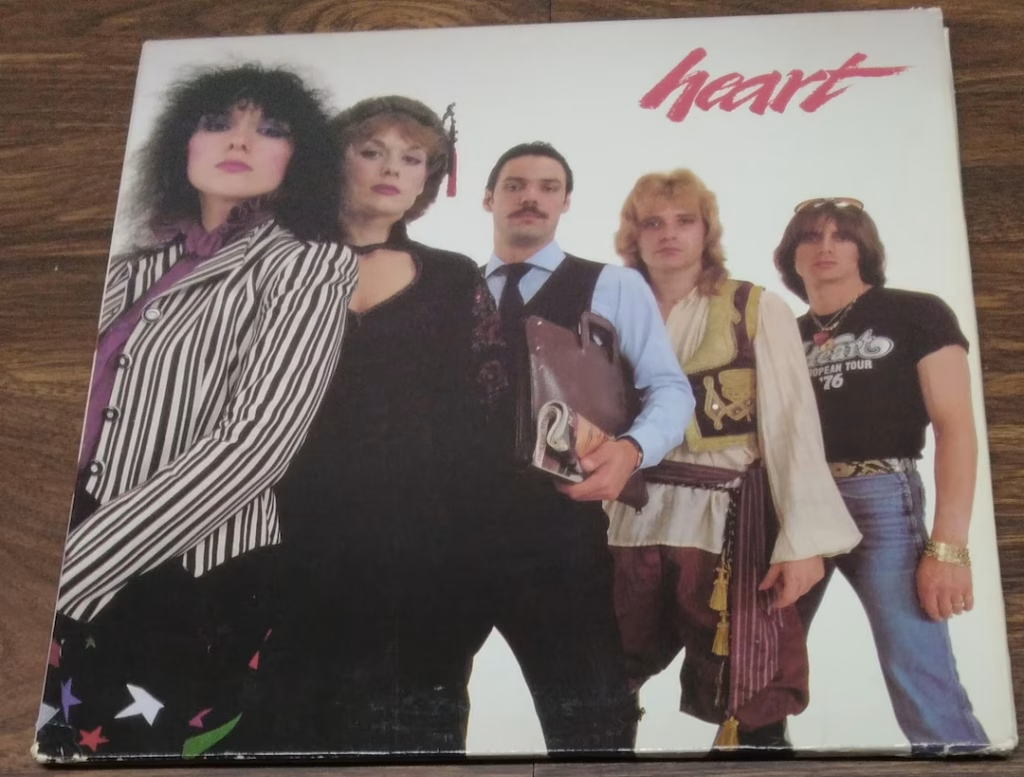
Heart, “Alone” (1987)
Ann Wilson did not come to play nice on “Alone.” Her emotional vocals begin over nervous piano, close and private. By the last chorus, her vocal range and powerhouse delivery turn longing into a full-force weather system.
Heart recorded the hit single for Bad Animals, and AllMusic lists Tom Kelly and Billy Steinberg as its writers. In the car, the quiet opening gives everyone a moment to settle in. Then Wilson’s vocal hits, and suddenly every passenger is holding an imaginary microphone.
Scorpions, “Still Loving You” (1984)
The Scorpions proved a German rock band could make heartache sound universal. “Still Loving You,” from Love at First Sting, begins in a low, wounded place. Klaus Meine’s vocal stays controlled until it cannot anymore.
Then comes the release. The guitars get bigger, the drums hit harder, and the song turns a plea into a declaration. This one is for the passenger who stares out the window during the verse, then joins in at full strength when the chorus rolls around.
Bon Jovi, “I’ll Be There for You” (1988)
Bon Jovi knew how to make a promise sound stadium-sized. “I’ll Be There for You,” from New Jersey, lets Jon Bon Jovi bring the emotion while Richie Sambora’s guitar gives it a little extra lift.
It has the polish associated with hair bands, but the center is pure devotion. That direct promise makes it a natural choice for a wedding playlist. The chorus is easy for a whole carload to sing after one listen; revisit Bon Jovi’s 80s rock era for more big-hook spirit.
Def Leppard, “Love Bites” (1988)
“Love Bites” is sleek, haunted, and just a little dangerous. Def Leppard layer the vocals until the chorus feels like it is glowing in the dark. The beat stays measured, but the feeling is all push and pull.
That makes it a great late-night pick. Not every car-concert moment needs a full scream. Sometimes you need the dramatic head nod, the slow harmonies, and one passenger who suddenly remembers every word.
Three Road-Tested Songs That Deserve More Love
The big hits earned their places, but these underrated power ballads offer surprises, not a formal ranking.
- Cinderella’s “Don’t Know What You Got (Till It’s Gone)” (1988) begins with piano and regret, then lets Tom Keifer’s raspy vocal crack wide open. It is pure last-exit-before-dawn drama.
- Cheap Trick’s “The Flame” (1988) gives Robin Zander a soaring melody, a soundtrack for any teen movie’s final scene.
- Starship’s “Nothing’s Gonna Stop Us Now” (1987) is pop-rock joy with the heart of a power ballad and the lift of a bright rock anthem. Its unstoppable chorus explains why songs like this still land on a wedding playlist. Everybody knows when to join in.
The greatest rock ballads leave room for personality, especially when their sentimental lyrics feel personal. Maybe you are an “Alone” person. Maybe “Still Loving You” is your big moment. Maybe you will defend “The Flame” until the cassette gets eaten by the deck. Good. That is how it should be.
Build a Car Concert, Not a Random Playlist
Don’t stack every emotional nuclear blast at the beginning. Shape the set like a power ballad: open gently, build the intensity, reach a peak, then release it. The best 80s mixtape had an arc, even if you made it with a radio, a blank TDK, and lightning-fast reflexes.
- Start with “Faithfully” or “Is This Love.” They set the mood without burning through the biggest chorus too soon.
- Raise the lights with “I Want to Know What Love Is” and “Love Bites.” By now, everyone knows the ride has become a show.
- Drop “Alone” or “Total Eclipse of the Heart” in the middle. This is the big scene. Nobody gets to pretend they are above it.
- Finish with “I’ll Be There for You” or “Nothing’s Gonna Stop Us Now.” End on a promise, a high note, or both.
That little bit of pacing is why 80s songs for a homemade mixtape had so much personality, and the same arc works for a wedding playlist, too. Side A could get you moving, while Side B could wreck you in the most pleasant way possible.
Frequently Asked Questions
What makes a song an 80s power ballad?
An 80s power ballad usually starts with a quiet piano, acoustic guitar, or intimate vocal before building into a dramatic chorus. The formula combines emotional lyrics, rising arrangements, big vocals, and enough guitar to make the final verse feel enormous.
Which 80s power ballads are best for a car sing-along?
“Alone,” “Total Eclipse of the Heart,” “I Want to Know What Love Is,” and “I’ll Be There for You” are excellent choices because their choruses are impossible to keep quiet. “Faithfully” and “Still Loving You” bring a little more longing to the late-night drive.
What is the best way to build an 80s power-ballad playlist?
Start with a gentler song such as “Faithfully” or “Is This Love,” then gradually move toward bigger emotional peaks. Save “Alone” or “Total Eclipse of the Heart” for the middle and finish with something soaring and hopeful.
Are 80s power ballads good for a wedding playlist?
Absolutely. Songs like “Faithfully,” “I’ll Be There for You,” and “Nothing’s Gonna Stop Us Now” turn devotion into a chorus everyone can sing together, which is precisely what a wedding playlist needs.
Keep the Chorus Going
The best 80s power ballads still turn ordinary miles into a moment. Their suspense and release work just as well on a wedding playlist, where one huge chorus can bring everyone together.
You don’t need an arena, a leather jacket, or a fog machine. You need a road, a song with a serious build, and the nostalgia of singing a gigantic chorus in a cramped car without taking your eyes off the road.