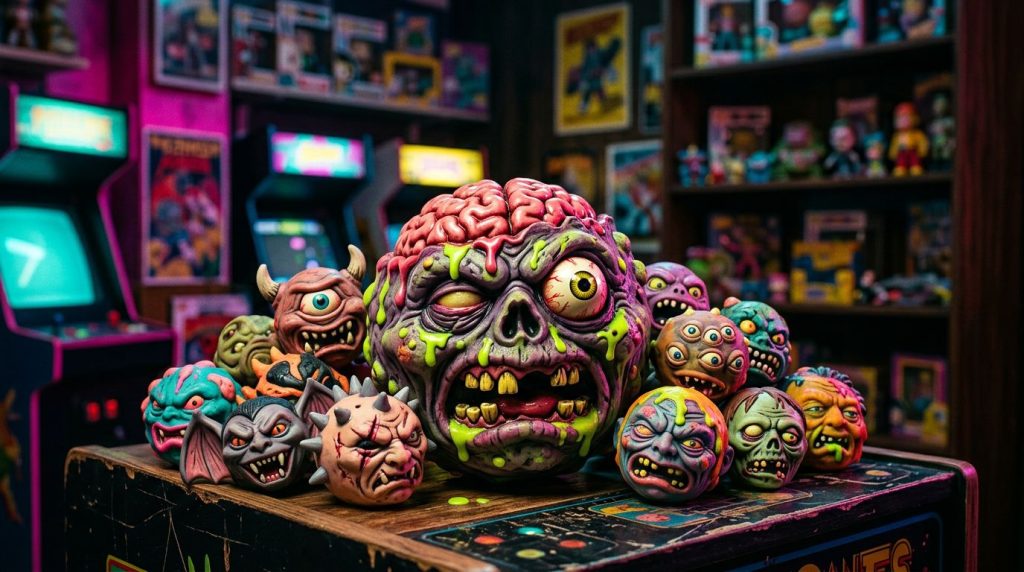
You didn’t ask a Madball to look good on your shelf. You asked it to look like it had survived a toxic-waste accident, lost a fight with a lawn mower, and still wanted to bounce.
Madballs toys were the proudly disgusting little monsters of the 1980s, rubbery or foamy balls with exposed brains, rotten teeth, bulging eyeballs, and names that sounded like the world’s grossest wrestling roster. They were weird. They were squishy. They were impossible to ignore.
For kids raised on slime, monster movies, Garbage Pail Kids, and fake barf, ugly was not a flaw. Ugly was the whole point, making them stand out among all other 1980s toys and cementing their legacy as the ultimate gross toys of their generation.
/u/CheesyBendito
Key Takeaways
- Madballs arrived through AmToy in 1986 and quickly became a major gross-out toy craze.
- Their appeal came from a perfect collision of playground balls, monster faces, and rude kid humor.
- Characters like Screamin’ Meemie, Horn Head, and Dust Brain had enough personality to feel collectible.
- The brand spread into comics, cartoons, video games, and offbeat spin-off toys.
- Original Madballs can still stir up big nostalgia, especially when the paint, squish, and texture remain intact.
Why Madballs toys Were So Perfectly Disgusting
The basic idea was almost hilariously simple: take a foam ball, elevate standard bouncing balls into a monster head, and make it as nasty as humanly possible. No laser cannon. No complicated backstory required. Just toss it, squeeze it, stare at its horrible little face, and try not to get it confiscated at school.
AmToy, a subsidiary of American Greetings, introduced the line in 1986. The toys reportedly sold for $3.99 apiece at launch, which put them in the sweet spot for allowance money, birthday loot, and begging your parents at the toy aisle. A handy Madballs history overview tracks the brand’s short, gloriously messy original run.
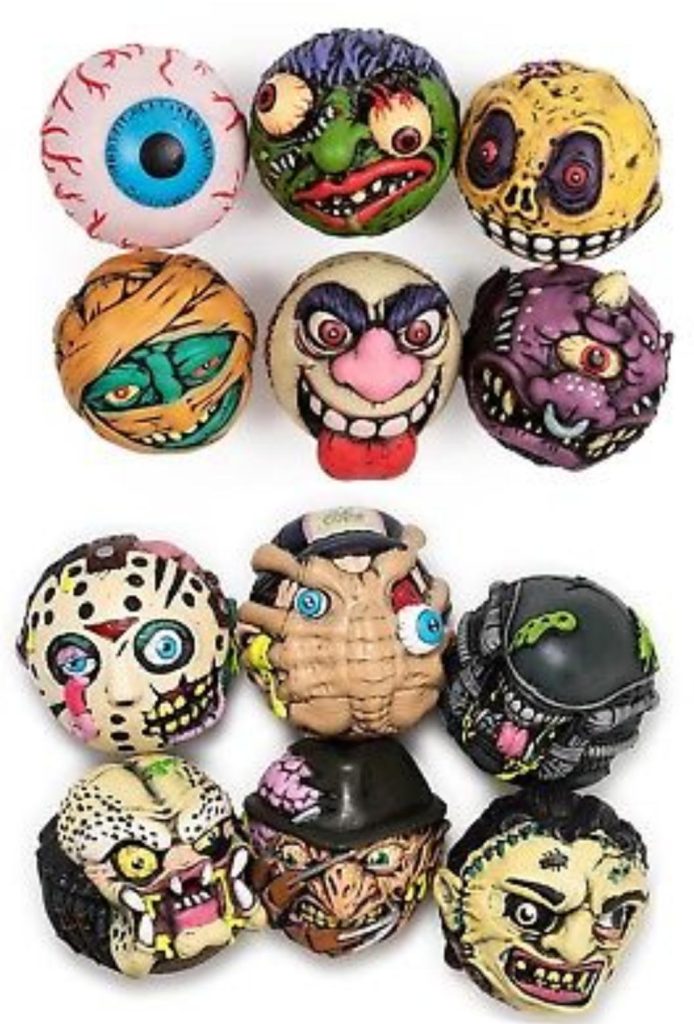
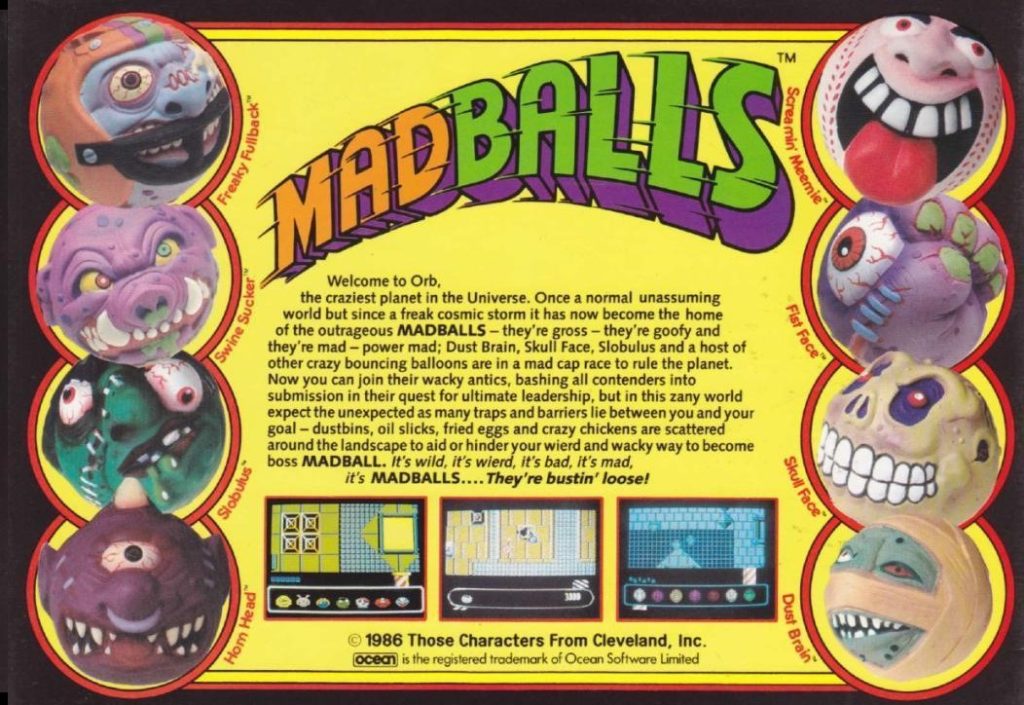
The first characters made an instant impression. There was Screamin Meemie, with one giant eye and a permanent freak-out expression. Horn Head looked like a sports collectible possessed by a demon. Dust Brain had a skull-like face and a lumpy, exposed brain. Slobulus was a drooling, greenish creature that looked as though he had bad news from every direction.
Then there were names like Aargh, Skull Face, Oculus Orbus, Bash Brain, and Freaky Fullback. They didn’t need subtlety. A Madball’s entire personality had to land in one second, right there in your hand.
Madballs understood an important playground truth: a toy didn’t have to be pretty if it was gross enough to make your friends recoil.
That boldness made them different from the clean-cut action figures lined up nearby. He-Man had muscles. G.I. Joe had gear. Madballs had pus, teeth, brains, and a face only a third-grader could love.
A Playground Ball With a Monster Problem
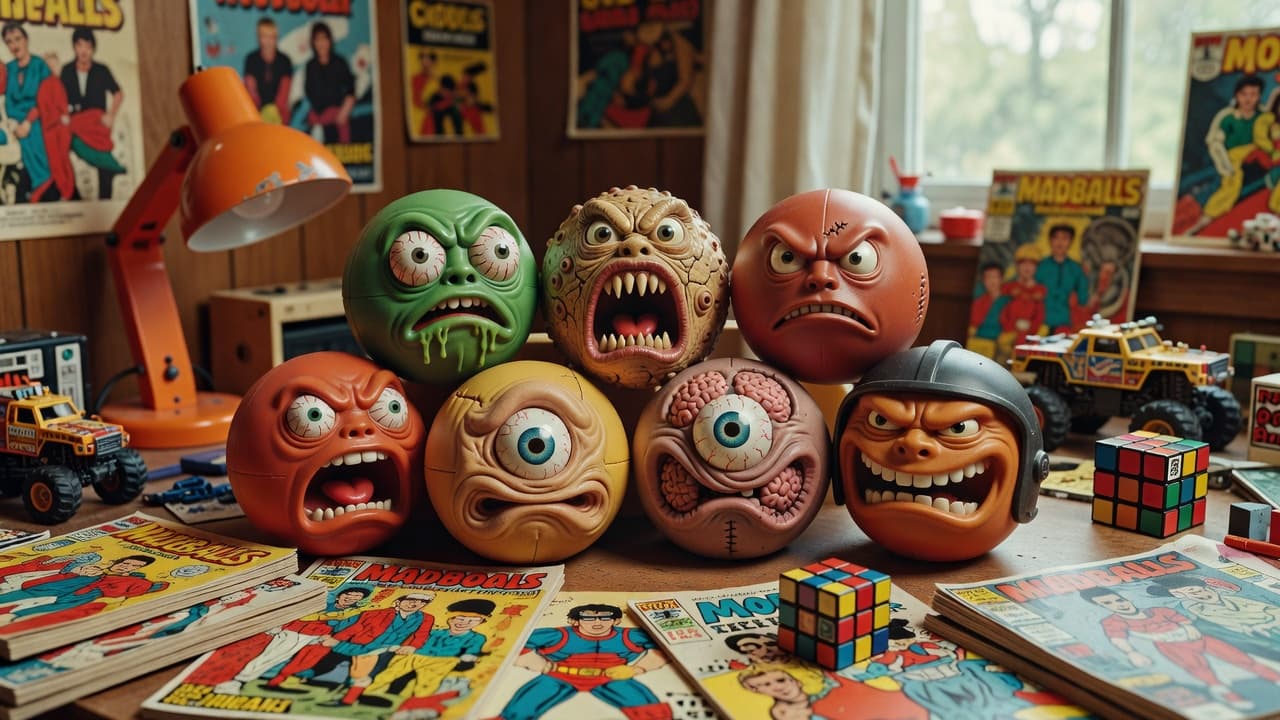
Part of the genius was the familiar shape. Kids already knew what to do with traditional bouncing balls. You bounced it against the garage. You rolled it under the couch. You threw it at your brother when nobody was looking.
But these weren’t ordinary balls. They were baseball-sized heads with attitude.
That meant Madballs could be toys, desk decorations, bedroom clutter, and light weapons of sibling annoyance all at once. They fit in a backpack pocket. They could sit on a dresser looking unpleasant. And they had that soft, squeezable feel that invited you to pick one up again.
The original versions had a rubbery texture, while later releases utilized squeezable foam balls. Either way, the physical experience mattered. These weren’t little plastic figures you posed once and left alone. Madballs practically demanded to be handled.
The gross details also gave every kid something to fixate on. Was that a broken tooth? A brain wrinkle? A string of slime? You could inspect a Madball like it was a tiny horror-movie prop, then bounce it off the sidewalk five minutes later.
That mix of rough-and-ready play and monster-movie visual chaos helped the line catch on fast. Reports from the era say more than 10 million were sold by the end of 1986. For a toy that looked like it had crawled out of a drain, that is one heck of a victory lap.
It also made the toys instantly recognizable. Put Horn Head beside a Cabbage Patch Kid or a Strawberry Shortcake doll and there was no confusion about which one belonged to the kid with a stack of Fangoria magazines hidden under the bed.
Gross-Out Humor Ruled the 1980s
Madballs didn’t appear out of nowhere. The decade had a serious appetite for the disgusting, the bizarre, and the slightly forbidden, because gross-out humor ruled the cultural landscape.
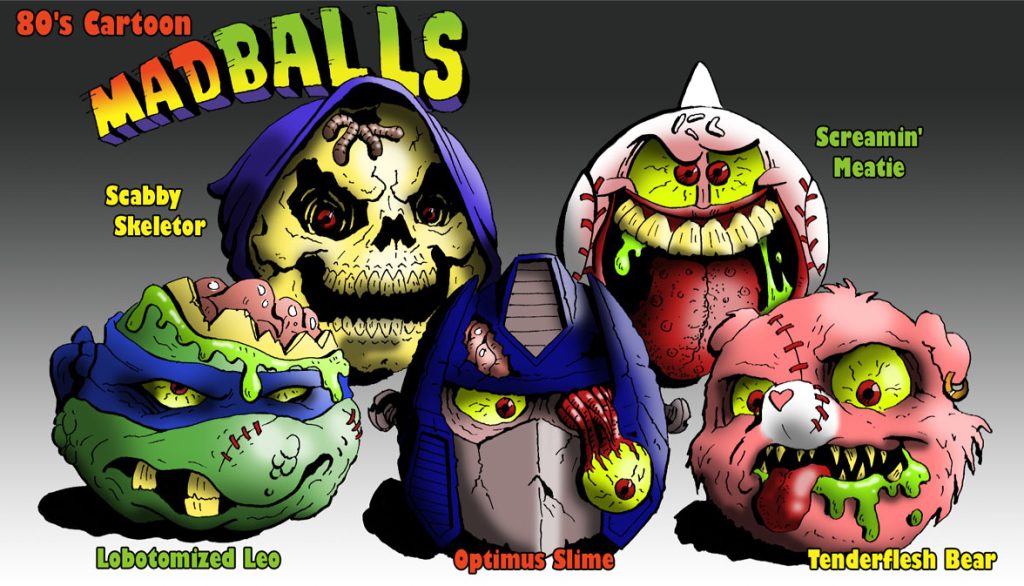
Kids traded Garbage Pail Kids cards with names too gross to repeat at the dinner table. Monster cereals turned breakfast into a creature feature. Slime was sold in little plastic trash cans. Even cartoon villains and direct-to-video characters from many popular 1980s toys were often covered in goo, warts, fangs, or all three.
The trick was that none of it felt truly scary. It was gross in a safe, giggly way. Madballs were nasty enough to make you say, “Ewww,” but silly enough to make you laugh right after.
That balance is why they worked. A realistic severed head would have been too much. A friendly smiley-face ball would have been boring. Madballs lived in the perfect middle zone, where horror was goofy and ugliness was a badge of honor.
Their character names also had that glorious 80s toy-aisle rhythm. Deathbreath, Wolf Breath, Swine Sucker, and Touchdown Terror fit right in. You could almost hear an announcer shouting them over a commercial full of electric guitar squeals and kids making monster noises.
A brief Madballs history reel dates the first drop to 1985, while most memories of seeing them everywhere point to their big 1986 retail moment. That tiny gap feels right for a toy line that seemed to spread through classrooms overnight.
Madballs were a small rebellion you could hold in one hand. Parents might not have loved the name Crack Head or a toy with a brain hanging out, but kids knew exactly why they wanted one.
The Characters Became a Whole Rotten Universe
A single ugly ball was funny. A collection was a universe.
Once kids started comparing characters, the hunt was on. Maybe your cousin had Screamin’ Meemie, but you had Skull Face. Maybe you wanted Oculus Orbus because that giant eyeball was too strange to pass up. Every new face felt like another resident of a grubby monster town.
The brand’s creators gave those faces enough flavor to support more than a toy bin. Madballs moved into a Marvel Star Comics comic book series, an animated special, and a video game released for the Commodore 64, ZX Spectrum, and Amstrad CPC. They even got oddball offshoots such as Head-Popping Madballs, larger Super Madballs, playful water squirters, and the Mad Rollercycle.
For a close look at those stranger branches of the family tree, check out this Headpoppers and Mad Rollercycle review. It is a fun reminder that no 80s hit was allowed to remain one simple product for long.
The expansion also explains why Madballs linger in memory. You might not remember every character’s name, but you remember the package art. You remember the commercials. You remember that one ball living under your bed, collecting lint and somehow becoming even more disgusting with age.
That’s the magic trick. Madballs had enough personality to feel like characters, even though most were basically monster faces with no bodies at all.
Finding Madballs Today Without Getting Burned
Original Madballs toys are highly sought-after collectible toys now, but nostalgia can make buyers move too fast. A listing might say vintage when it means a later reissue. It might look clean in one photo, then arrive with paint rubs, cracks, chew marks, or a smell that has spent four decades in somebody’s basement.
Condition matters more than perfection. These were playthings, not museum pieces. A little wear can feel right. Still, clear photos of the face, paint, seams, and underside are worth asking for before you buy.
Keep an eye on a few details:
- Original characters often have stronger collector appeal than loose later releases or modern revivals.
- Paint wear is common around teeth, eyeballs, brains, and raised facial details.
- Foam versions can dry out, split, or lose their shape after years in storage.
- Packaging adds value, but a loose Madball with a great face can still be the one you want.
Don’t forget the reissues and modern collectibles, either. Art Asylum revived the line in the mid-2000s, and Just Play brought Madballs back again in the late 2010s. Other companies joined the fun over the years, including Kidrobot with stylized releases and Premium DNA Toys with action figures and specialty items, alongside occasional blind box mini figures or a detailed vinyl figure. Those versions let fans enjoy the designs without treating every bounce like a financial decision.
The best collection is not always the rarest one. Sometimes it is the lineup that gives you the strongest flashback, featuring the smell of a toy store aisle, the sound of a friend laughing, and the instant urge to squeeze that disgusting little monster one more time.
Frequently Asked Questions
When were Madballs toys first introduced?
AmToy, a subsidiary of American Greetings, officially introduced the original Madballs line in 1986. They quickly became a massive gross-out toy craze, selling millions of units by the end of their first year.
How much did original Madballs cost in the 1980s?
The toys reportedly retailed for around $3.99 apiece at launch. This affordable price point put them right in the sweet spot for kids spending allowance money or birthday cash.
What made Madballs different from other 1980s toys?
Unlike the clean-cut action figures and dolls of the era, Madballs leaned entirely into ugly, grotesque humor. With exposed brains, bulging eyeballs, and rude names, they offered a safe way for kids to enjoy playful revulsion.
Madballs Never Needed to Be Pretty
Madballs were not polished heroes or adorable mascots. They were lumpy, loud, rude, and proudly revolting. That was their entire charm.
For 80s kids, Madballs toys are proof that a toy could be goofy, gross, and unforgettable without making a lick of sense to grown-ups. Sometimes the most beloved thing in the toy box is the one with the biggest eyeball and the worst teeth, cementing the lasting legacy of these iconic gross toys for future generations of collectors.